Jonestown: The Massacre That Claimed 918 Lives
How Jim Jones orchestrated one of history's deadliest mass deaths in a remote Guyanese compound
Published June 6, 2025
Case Details
Quick Facts
Classification:
Quick facts
On November 18, 1978, more than 900 members of the Peoples Temple died in a remote agricultural compound called Jonestown in Guyana. The deaths—a combination of forced murder and suicide—represented one of the largest mass fatalities in modern history, and the event shook the world.
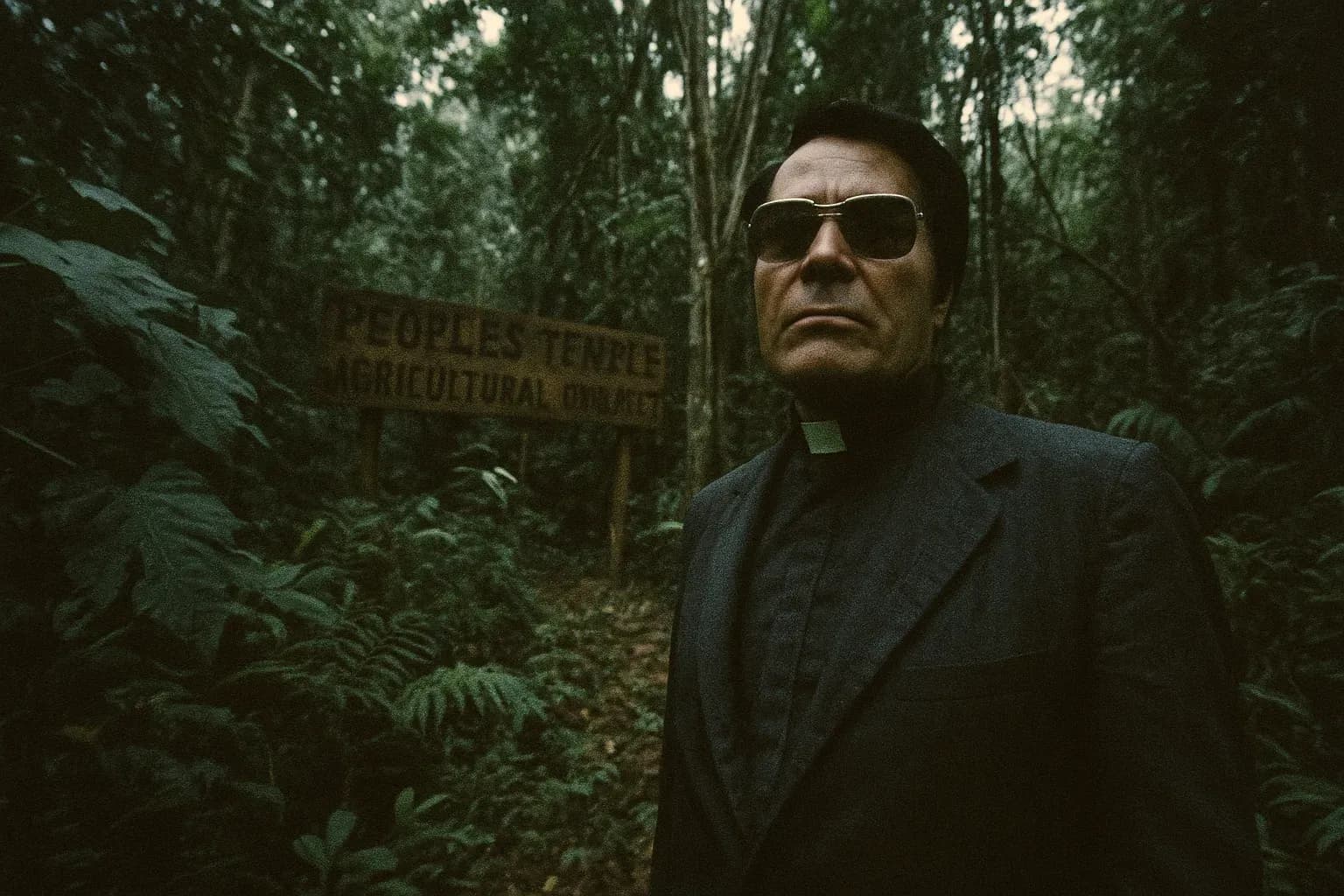
Jim Jones, born in Crete, Indiana, in 1931, founded the Peoples Temple in California in the 1950s. Originally framed around social justice and racial equality, the organization gradually transformed into an insular, authoritarian cult. By the mid-1970s, Jones had relocated the group to Jonestown, a compound deep in the Guyanese jungle, promising followers a utopian community. Instead, members found themselves isolated, exploited, and increasingly trapped under Jones's absolute control.
The immediate trigger for the tragedy came on November 17, 1978, when U.S. Congressman Leo Ryan arrived in Jonestown to investigate allegations of abuse and confinement. Some Temple members expressed a desire to leave with Ryan. Jones viewed this as mutiny. The following day, he ordered Temple members to attack the congressman's party as they prepared to depart from the nearby Port Kaituma airstrip. Ryan and four others—including three journalists—were killed in the assault.
Timeline
Congressman Ryan visits Jonestown
US Congressman Leo Ryan travels with journalists and relatives to Jonestown to investigate the allegations against the sect.
Murder at Port Kaituma airstrip
Armed sect members murder Leo Ryan and four other people at the airstrip as they attempt to leave with defectors.
Mass murder in Jonestown
Jim Jones forces 918 people to drink poisoned drink. Over 200 children are killed. Jones himself dies of gunshot wounds.
Discovery of the bodies
Rescue personnel reach Jonestown and find hundreds of bodies. The scale of the tragedy becomes known to the world.
With law enforcement attention now inevitable, Jones moved to execute his final plan. He gathered the compound's population and offered them fruit juice laced with cyanide, framing the act as "revolutionary suicide"—a term he recorded on what became known as the "death tape." The reality was far grimmer: armed guards enforced participation, and those who hesitated were coerced or forcibly injected. Children and infants had no choice; over 300 people under the age of 18 were among the dead.
The death toll was staggering. Of the 909 people who died in Jonestown itself—all but two from apparent cyanide poisoning—roughly one-third were children. Adding the five killed at the airstrip brought the total to at least 914, though some counts reach 918 when including murders committed by Temple members in Georgetown at Jones's command. The Guyanese Chief Medical Examiner Leslie Mootoo determined that Jones himself died from a self-inflicted gunshot wound to the head.
Among the horrors uncovered in the aftermath was evidence of systematic abuse, forced labor, sexual coercion, and psychological manipulation. Jones had isolated followers from the outside world, confiscated documents and money, and used drugs and threats to maintain control. The compound operated under constant surveillance, with dissent punished harshly.
Not all members perished. Eighty-seven people survived by hiding in the jungle or managing to escape before the final hours. Their testimonies would later help investigators piece together the sequence of events and understand the mechanisms of control that had kept people imprisoned in this remote location.
The Jonestown massacre remains a watershed moment in understanding cult psychology, coercion, and the capacity for organized violence. It prompted significant changes in how authorities monitor high-control groups and raised urgent questions about isolation, manipulation, and the vulnerability of those seeking community and belonging.
Sources: - https://www.britannica.com/event/Jonestown - https://www.britannica.com/biography/Jim-Jones - https://en.wikipedia.org/wiki/Jonestown - https://www.thevintagenews.com/2025/11/04/november-18-1978/ - https://study.com/learn/lesson/jim-jones-peoples-temple-what-was-jonestown-massacre.html
Media coverage
TV series
- The Jonestown Massacre(2026)
- Cult Massacre: One Day in Jonestown(2026)
- Jonestown: Terror in the Jungle(2026)
Ask about this case
Answers from KrimiNyt's coverage onlyFollow this case
Get an email when a new documentary, podcast or book about Jonestown: The Massacre That Claimed 918 Lives appears, or when a verdict is reached.