Surveillance
From crucial investigative evidence to criminals' invasive weapon

Definition
What is surveillance in true crime? From crucial police evidence to criminals' terrifying methods – understand the phenomenon and its consequences.
From crucial investigative evidence to criminals' invasive weapon
True crime surveillance: Beyond observation – what is it?
In true crime, surveillance is the systematic observation and recording of individuals' behavior, communication, or movements, typically without the knowledge of those involved, for the purpose of gathering crucial information. The term covers a wide range of methods, from lawful police investigative tools to criminals' illegal practices, and often plays a central role in solving crimes – either as the key to cracking the case or as the very core of the criminal act itself.
Investigators’ view: Surveillance legality and catching criminals
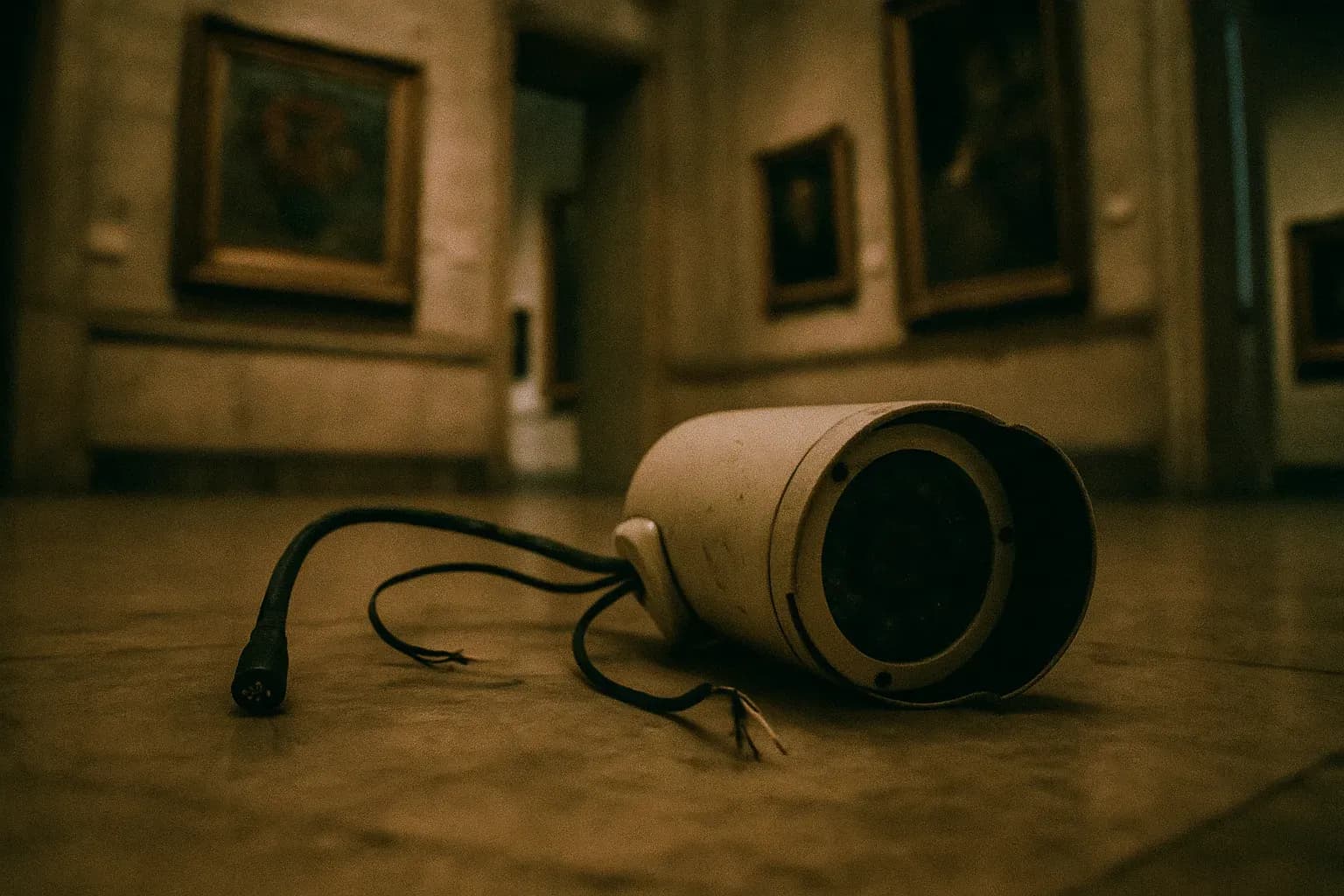
For investigators, surveillance is an indispensable tool. This can include everything from physical shadowing and observation at, for example, a potential crime scene, to technologically advanced methods such as video surveillance via public and private cameras (CCTV) – which can provide important video evidence – as well as telecommunications and data interception, and the tracking of digital evidence in the form of online and social media footprints. The goal is typically to identify suspects, uncover their networks, gather incriminating evidence, or prevent further crime. However, the use of these intrusive methods is strictly regulated by law and often requires court orders to protect citizens' privacy.
Criminals exploit surveillance for stalking and crime planning
Conversely, surveillance is also used by criminals. Stalkers can systematically observe their victims, both physically and digitally, creating intense fear and insecurity. Organized criminal groups use surveillance to plan crimes such as burglaries, robberies, or kidnappings by meticulously studying victims' routines or observing security measures at a targeted location. Technological advancements, including easy access to spyware and hidden cameras, have unfortunately made it easier for perpetrators to exercise this form of invasive control and information gathering.
Evidence vs. privacy: Balancing act in surveillance’s age
Surveillance material, whether it's a grainy video recording serving as video evidence or digital evidence in the form of server log files, can often be the decisive element that convicts a perpetrator or exonerates an innocent person. At the same time, the widespread use of surveillance fuels an ongoing debate about the balance between society's security needs and the individual's right to privacy. A thorough understanding of surveillance's many facets is therefore essential, as the phenomenon will continue to shape both the crime landscape and the investigative methods used to combat crime in an increasingly digitized world.
From cases of stalking and organized crime to crucial video evidence. What does surveillance look like in practice? Read our shocking cases on the subject below.
Read more
Celsius Founder Sentenced to 12 Years for Crypto Fraud
Alexander Mashinsky, founder and former CEO of Celsius Network, was sentenced to 12 years in federal prison on December 3, 2024, in New York after pleading guilty to commodities and securities fraud. The sentencing concludes a major prosecution of the crypto lending platform that collapsed in 2022, wiping out billions in customer savings.
Swiss Banking Scandal: Credit Suisse's Illegal Surveillance of Departing Executive
Credit Suisse hired private investigators to monitor its former wealth management chief Iqbal Khan after he joined competitor UBS in 2019. The resulting case of corporate surveillance, intimidation and potential coercion was settled in 2021, shedding light on ruthless internal politics in global finance.
The Vanishing of Brian Shaffer
On April 1, 2006, 27-year-old Brian Shaffer, an Ohio State University medical student, walked into the Ugly Tuna Saloona bar in Columbus for a night out with friends. Hours later, he vanished—never to be seen or heard from again, despite extensive surveillance footage and a thorough police investigation.
Related articles

Spy High
Spy High is a 2025 Amazon Prime Video docuseries covering the Robbins v. Lower Merion School District case, in which a Pennsylvania school secretly spied on students via school-issued laptop webcams.

Killers: Caught on Camera
Killers: Caught on Camera is a true crime anthology series on ITVX covering multiple UK and US homicide cases where CCTV, bodycam, or surveillance footage proved decisive in securing convictions.

New Book Exposes the Gray Zones of Criminal Investigation
A new book on police operations and the pursuit of criminals sheds light on the complex gray zones that define investigative work, covering topics such as art theft, unsolved cases, and hijacking.

Celsius Founder Sentenced to 12 Years for Crypto Fraud
Alexander Mashinsky, founder and former CEO of Celsius Network, was sentenced to 12 years in federal prison on December 3, 2024, in New York after pleading guilty to commodities and securities fraud. The sentencing concludes a major prosecution of the crypto lending platform that collapsed in 2022, wiping out billions in customer savings.

Swiss Banking Scandal: Credit Suisse's Illegal Surveillance of Departing Executive
Credit Suisse hired private investigators to monitor its former wealth management chief Iqbal Khan after he joined competitor UBS in 2019. The resulting case of corporate surveillance, intimidation and potential coercion was settled in 2021, shedding light on ruthless internal politics in global finance.

The Vanishing of Brian Shaffer
On April 1, 2006, 27-year-old Brian Shaffer, an Ohio State University medical student, walked into the Ugly Tuna Saloona bar in Columbus for a night out with friends. Hours later, he vanished—never to be seen or heard from again, despite extensive surveillance footage and a thorough police investigation.
Van Gogh's Poppy Flowers Stolen Twice From Cairo Museum
A Vincent van Gogh painting worth an estimated $50–55 million vanished from Cairo's Mahmoud Khalil Museum on August 21, 2010, cut from its frame in broad daylight. It was the second time the work had been stolen from the institution—and this time, it has never been recovered.

Dutch Regulator Fines Uber €290M for Illegal Data Transfers
The Dutch Data Protection Authority (DPA) issued a €290 million fine to Uber Technologies and Uber B.V. on August 26, 2024, for transferring personal data of European drivers to the United States without implementing mandatory legal safeguards required under GDPR.

Street Cops: The Raw Reality of Policing Copenhagen
Gadebetjentene is a TV series following Copenhagen police officers on the job, using bodycam footage to offer an unfiltered look at daily street policing — and sparking significant public debate in Denmark.

Denmark's Undercover Watchdog: How One TV Series Challenges Power
Since 2004, Danish broadcaster TV2's Operation X has built a reputation for aggressive investigative journalism, using undercover methods to expose corruption, animal cruelty, and institutional abuse. The series represents a distinctive Nordic approach to accountability journalism—operating in one of the world's least corrupt countries, yet still finding systemic abuses worth exposing.