cults
A descriptive label for a closed, leader-dominated group, not a legal category
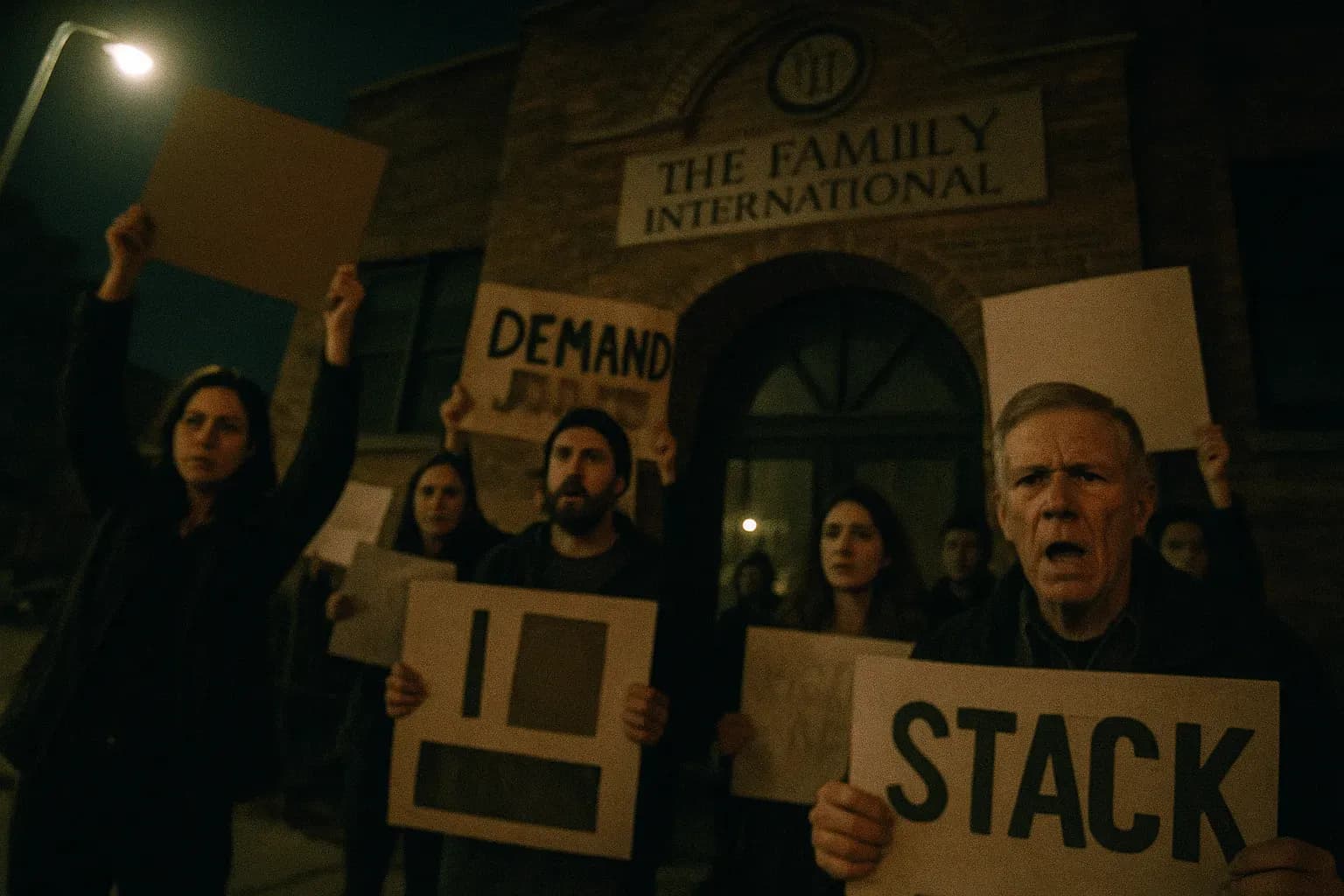
Under Danish crime and legal media usage, a cult (sekt) is a closed religious or ideological group that is sharply separated from the surrounding society and typically dominated by a charismatic or authoritarian leader. The term is not defined in Danish legislation and does not constitute an independent legal category — it is a descriptive label used in a sociological, journalistic and popular sense. The relevant Danish legislation instead regulates "religious communities" (trossamfund). The Act on Religious Communities outside the Church of Denmark (lov om trossamfund uden for folkekirken) defines a religious community as a fellowship centred on faith, doctrines and rituals. A group publicly described as a cult may well be legally registered as a religious community — the label "cult" therefore signals a critical or problematic perspective on the group rather than a formal legal status.
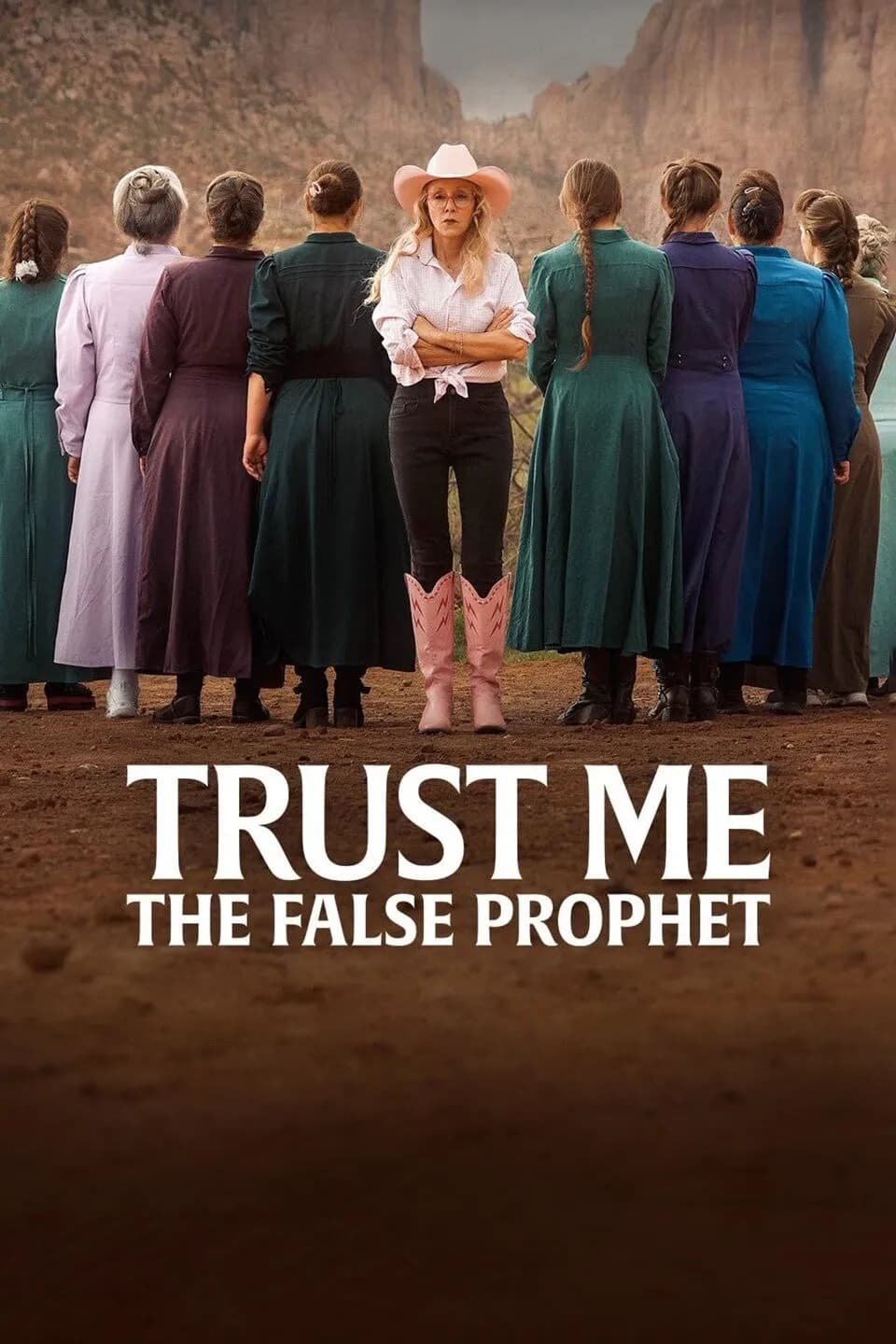
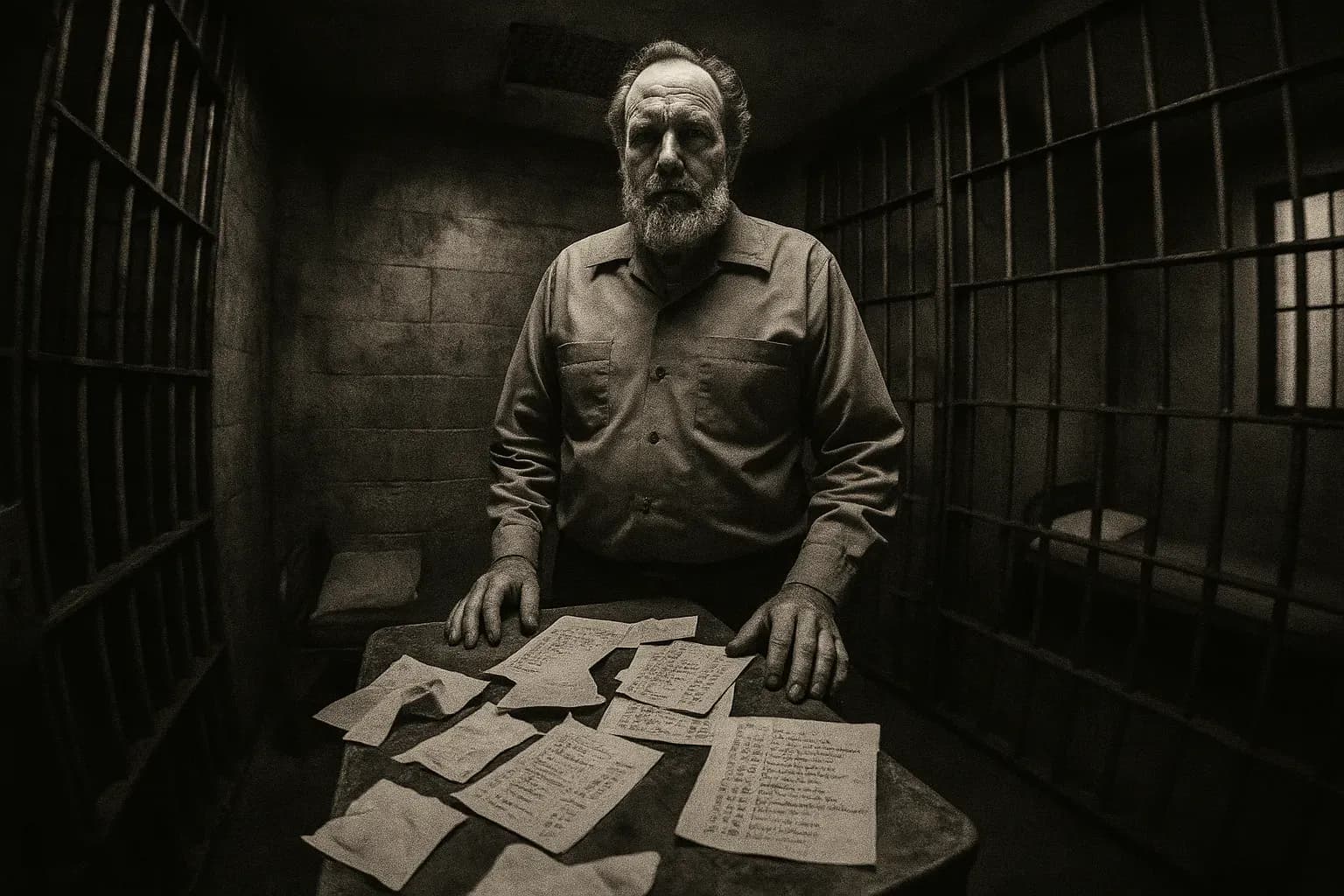
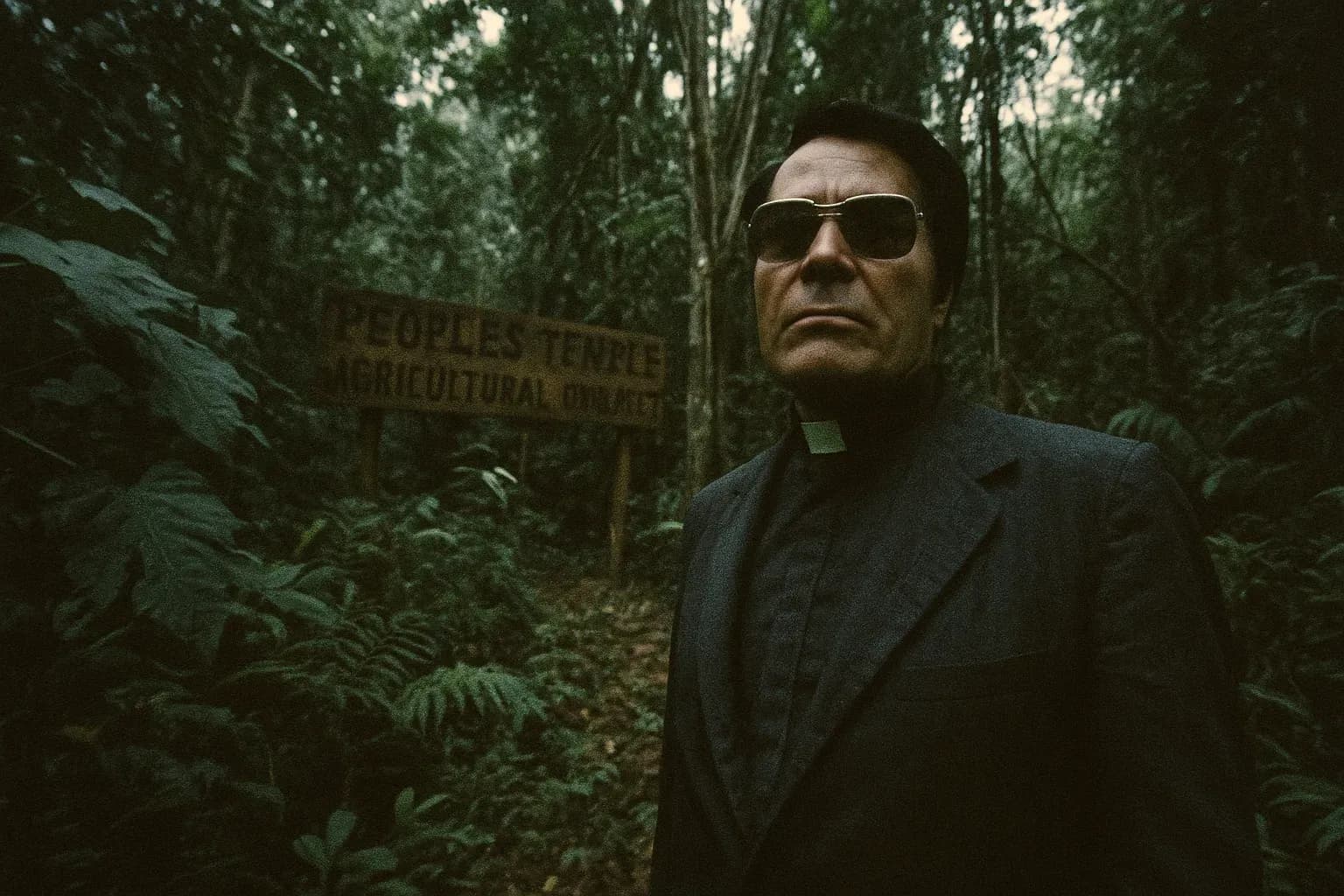
In true crime journalism and crime documentaries, the Danish "sekt" and the English "cult" are used more or less synonymously. The characteristics typically highlighted are strong internal control, demands for absolute obedience to the leader, social isolation from family and the outside world, and, in serious cases, systematic manipulation or violence. Cases involving cult leaders such as Warren Jeffs of the FLDS cult or Ervil LeBaron — who ordered more than 25 murders — illustrate how religiously charismatic leadership can be combined with serious crime.
From a criminal law perspective, acts committed within a cult are not assessed differently from comparable acts committed outside a religious context. It is the concrete acts — fraud, deprivation of liberty, violence, homicide — that constitute criminal offences, not membership or leadership of a group that society perceives as a cult. Freedom of religion is protected by the Danish Constitution, and the state cannot ban a group solely because of its religious content.
In the true crime genre, the cult concept functions as a dramaturgical and analytical framework explaining how a leader can bring followers to commit or tolerate acts they would reject under normal circumstances. Psychological mechanisms such as gradual indoctrination, the creation of dependency and fear are frequently described in podcasts, documentary series and true crime articles on the subject.