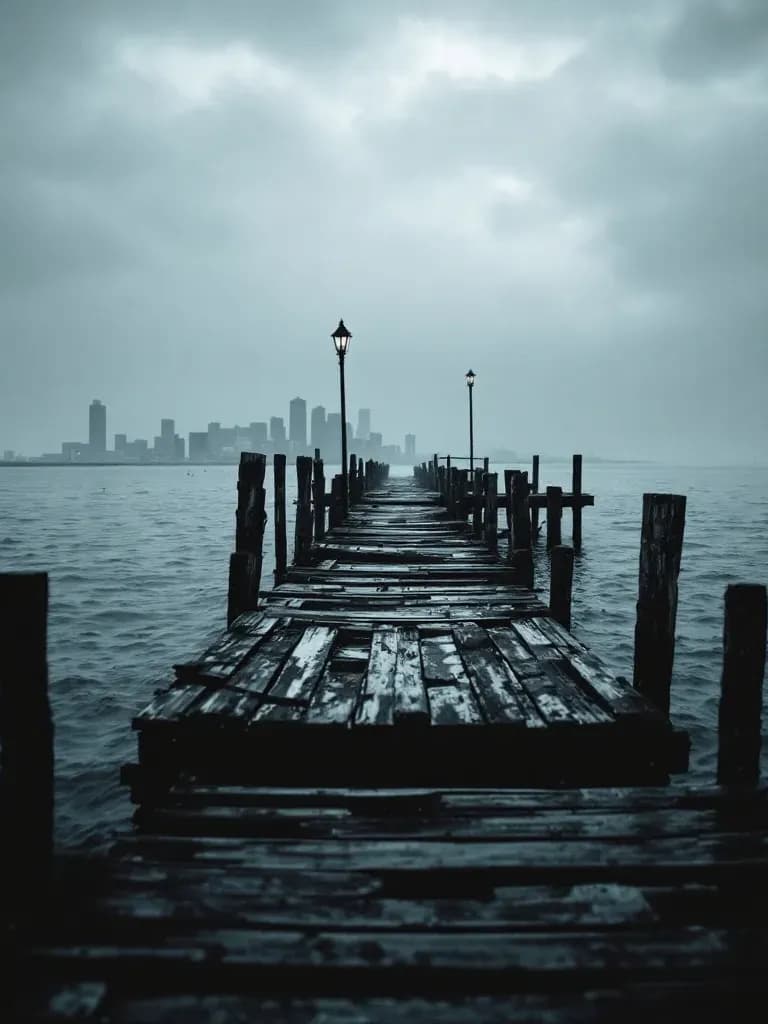
The Danny Casolaro Case — Disputed Death of Conspiracy Investigator
Martinsburg, West Virginia, 1991 — officially suicide, widely disputed as unsolved homicide
Published June 3, 2026
Quick Facts
The Case
The Danny Casolaro case is a disputed death investigation from 1991 in which investigative journalist Danny Casolaro was found dead in a West Virginia motel room under circumstances that remain controversial more than three decades later. Officially classified as a suicide, the case has never been resolved as a homicide allegation, and no offender has ever been charged or convicted in connection with his death. At the time of his death, Casolaro was investigating what he called "the Octopus"—an alleged sprawling conspiracy linking multiple major political scandals of the 1980s.
Danny Casolaro, born in 1947, was a freelance writer from Fairfax, Virginia, who had become increasingly consumed by his investigation into connections between the Inslaw/PROMIS software dispute, the Iran-Contra affair, the October Surprise allegation, and the scandal surrounding the Bank of Credit and Commerce International (BCCI). He believed these seemingly separate controversies were connected through a shadowy network of intelligence operatives, criminals, and corrupt officials.
The Crime
On August 9, 1991, Casolaro traveled to Martinsburg, West Virginia, telling family members he was meeting a source who would provide crucial information for his investigation. He checked into room 517 of a motel in Martinsburg, carrying with him notes and documents related to his "Octopus" research. He was 43 or 44 years old at the time, depending on whether his birthday had passed.
Timeline
Danny Casolaro found dead at Sheraton Hotel
Hotel staff found the 44-year-old journalist lifeless in the bathtub of room 517, Sheraton Hotel, Martinsburg, West Virginia, on August 10, 1991.
First autopsy report described as inconclusive
A UPI report from August 15, 1991 described the initial autopsy as inconclusive, which early on created uncertainty about the precise circumstances.
Official ruling: suicide — no one charged or convicted
Forensic examiners and police authorities ruled the death a suicide in 1991. No criminal case has ever been brought. The ruling remains unchanged.
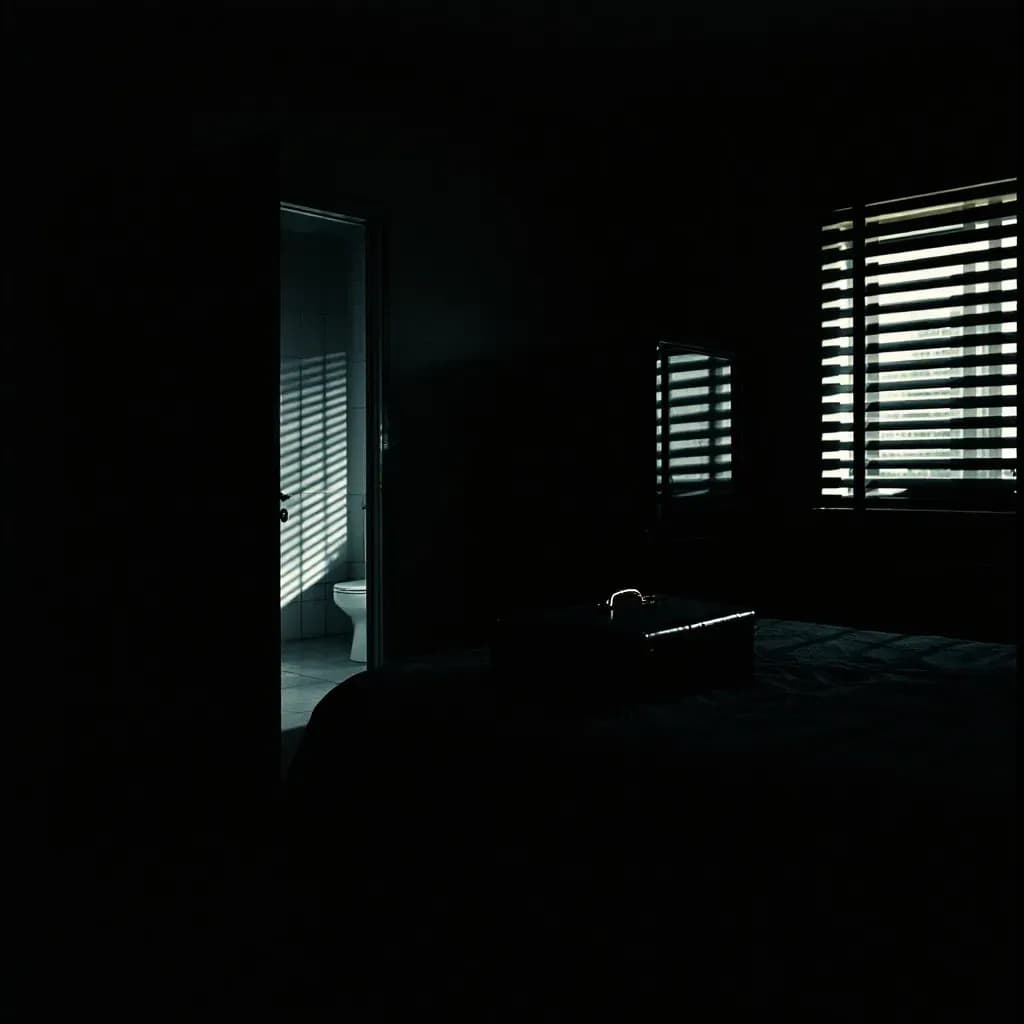
The following morning, August 10, 1991, Casolaro was found dead in the bathtub of his motel room. He was naked, and his wrists had been deeply slashed multiple times. A razor blade was found in the bathtub with him. Police responding to the scene noted a suicide note, no signs of forced entry or struggle, and the presence of alcohol in the room. Based on this evidence, local authorities quickly concluded that Casolaro had taken his own life.
An autopsy performed at West Virginia University on August 14, 1991, determined that Casolaro died from blood loss, with the estimated time of death between approximately 8:00 a.m. and 11:00 a.m. on August 10. The official manner of death was ruled suicide, a conclusion that would immediately spark controversy and skepticism.
The Victim
Daniel "Danny" Casolaro was an investigative journalist and freelance writer who had spent roughly the last two years of his life pursuing what he considered the story of a lifetime. He had become obsessed with uncovering connections between various political scandals and alleged criminal conspiracies of the 1980s, which he referred to collectively as "the Octopus" due to its far-reaching tentacles.
Casolaro's investigation centered on several interconnected threads. The Inslaw affair involved allegations that the U.S. Department of Justice had stolen PROMIS software from the Inslaw company and distributed it to intelligence agencies and foreign governments. He was also exploring connections to Iran-Contra, the October Surprise theory (which alleged that the 1980 Reagan campaign had made a secret deal with Iran to delay the release of American hostages), and BCCI, the international bank that collapsed amid revelations of massive fraud and money laundering.
Friends and family described Casolaro as passionate about his work, convinced he was on the verge of exposing a massive conspiracy. He had told several people he was close to completing a book manuscript about his findings, which he planned to title "The Octopus." In the days before his death, he had expressed both excitement about meeting a crucial source and some concern for his safety.
Investigation
The initial investigation by West Virginia state police was brief, with authorities accepting the suicide conclusion based on the physical evidence at the scene. However, Casolaro's family and some law enforcement officials immediately questioned this finding. They pointed to several suspicious circumstances: the depth and number of cuts on Casolaro's wrists (reportedly more than a dozen deep slashes), the fact that he was reportedly afraid of blood, and the disappearance of his briefcase containing his research notes and documents.
Family members noted that Casolaro had not seemed suicidal in his final conversations with them. Moreover, he had active plans for the future, including scheduled meetings and a book contract in the works. The missing briefcase was particularly troubling—it contained what Casolaro had described as crucial evidence for his investigation, yet it was never recovered from the motel room or surrounding area.
Subsequent reporting revealed that some FBI task force members had also questioned the suicide finding and wanted further investigation, though no additional official inquiry was launched. Over the years, investigative journalists from major news organizations, including ABC News and Time magazine, examined the case but found no definitive evidence of murder. Nevertheless, the official conclusion has never satisfied those who believe Casolaro was silenced because of what he was investigating.
No arrest has ever been made in relation to Casolaro's death, and no legal proceeding has identified any offender. The case remains officially closed as a suicide while continuing to generate allegations of homicide from researchers, family members, and conspiracy theorists who believe Casolaro was murdered to prevent him from exposing powerful interests.
Trial and Verdict
There has been no criminal trial, verdict, sentence, or charge related to Danny Casolaro's death because no defendant was ever prosecuted. The case was closed by local authorities as a suicide based on the initial investigation in August 1991. Despite persistent calls from family members and various investigators for the case to be reopened as a potential homicide, no prosecutor has ever brought charges against anyone in connection with Casolaro's death.
The lack of legal proceedings does not reflect a determination that no crime occurred, but rather the absence of sufficient evidence to identify and prosecute a specific perpetrator. Those who believe Casolaro was murdered point to the suspicious circumstances and his dangerous investigation, while those who accept the suicide ruling cite the physical evidence found at the scene, including the suicide note and the absence of signs of struggle or forced entry.
Today
The Danny Casolaro case remains a cold case with an unresolved dispute between the official suicide ruling and persistent murder allegations. It has become a touchstone for those interested in conspiracy theories, government malfeasance, and the dangers faced by investigative journalists pursuing sensitive stories.
In 2024, more than three decades after Casolaro's death, Netflix released American Conspiracy: The Octopus Murders, a documentary series that reexamined both his death and the conspiracy theory he was investigating. The series brought renewed attention to the case and introduced Casolaro's story to a new generation.
The case has been the subject of extensive media coverage over the years, including books, magazine articles, and television programs. The television show Unsolved Mysteries featured the case, contributing to its status as one of the most debated suspicious deaths in recent American history. Various researchers and journalists continue to investigate both the circumstances of Casolaro's death and the validity of his "Octopus" conspiracy theory.
No new official investigation has been opened, and the West Virginia authorities' conclusion of suicide remains the legal status of the case. The missing briefcase containing Casolaro's research has never been recovered, and many questions about his final hours remain unanswered. For Casolaro's family and supporters, the case represents either a tragic suicide of a troubled man or a successful cover-up of murder—a question that, more than thirty years later, remains unresolved.
The case continues to raise important questions about investigative journalism, the risks faced by those who pursue sensitive stories about powerful interests, and the challenges of distinguishing between legitimate conspiracy and conspiracy theory. Whether Danny Casolaro died by his own hand or was murdered for what he knew may never be definitively determined, ensuring that his death remains one of the most controversial unsolved mysteries in American true crime history.
Media coverage
TV series
- American Conspiracy: The Octopus Murders(2026)
Ask about this case
Answers from KrimiNyt's coverage onlyFollow this case
Get an email when a new documentary, podcast or book about The Danny Casolaro Case — Disputed Death of Conspiracy Investigator appears, or when a verdict is reached.