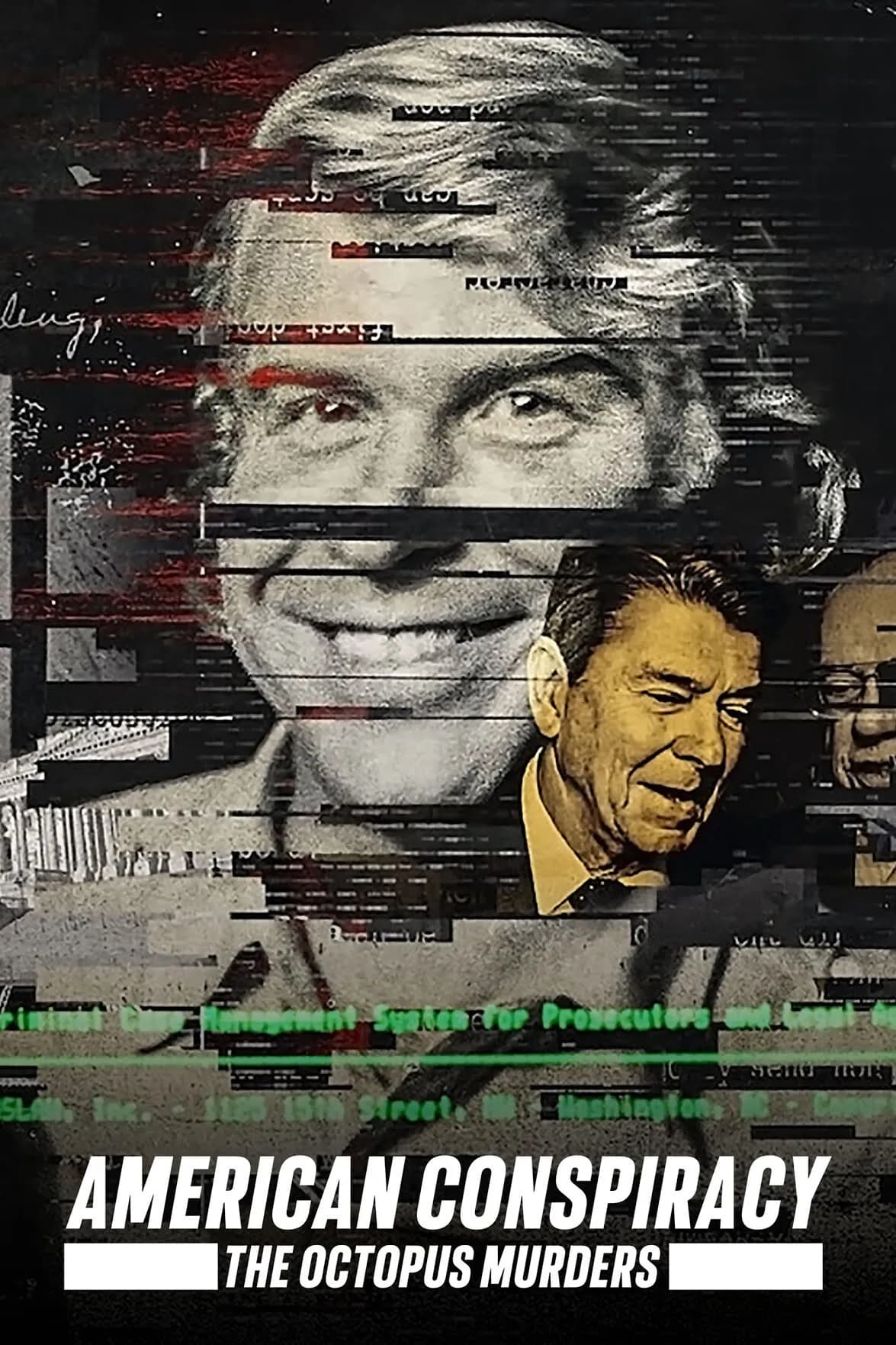
American Conspiracy: The Octopus Murders
Netflix, 2024 — the unsolved 1991 death of investigative journalist Danny Casolaro
What Is the Series About?
American Conspiracy: The Octopus Murders is a four-part Netflix documentary series directed by Zachary Treitz and released on February 28, 2024. The series centers on the deeply strange and still-unresolved death of freelance investigative journalist Danny Casolaro, who was found dead in a hotel bathtub in Martinsburg, West Virginia, on August 10, 1991. Casolaro had spent years chasing what he believed was an enormous, interconnected web of government corruption — a meta-conspiracy he dramatically named "The Octopus."
The documentary does not present a solved case. There is no convicted killer, no courtroom verdict, and no tidy resolution. Instead, it drops viewers into the murky intersection of genuine government scandal, Cold War-era intrigue, and the kind of conspiratorial thinking that can consume a person whole. The series follows Christian Hansen, a journalist who revisits Casolaro's claims and paper trail decades later, attempting to separate documented fact from speculation — and finding that the line between the two is often disturbingly thin.
---
The Case
Danny Casolaro was a freelance writer based in the Washington, D.C., area who became obsessed with a legal case known as INSLAW — a dispute in which a small software company accused the U.S. Department of Justice of stealing its case-management software, called PROMIS, and distributing it to intelligence agencies around the world. As Casolaro dug deeper, he became convinced that INSLAW was just one thread in a far larger tapestry of corruption linking the Iran-Contra affair, organized crime, and covert intelligence operations spanning decades.
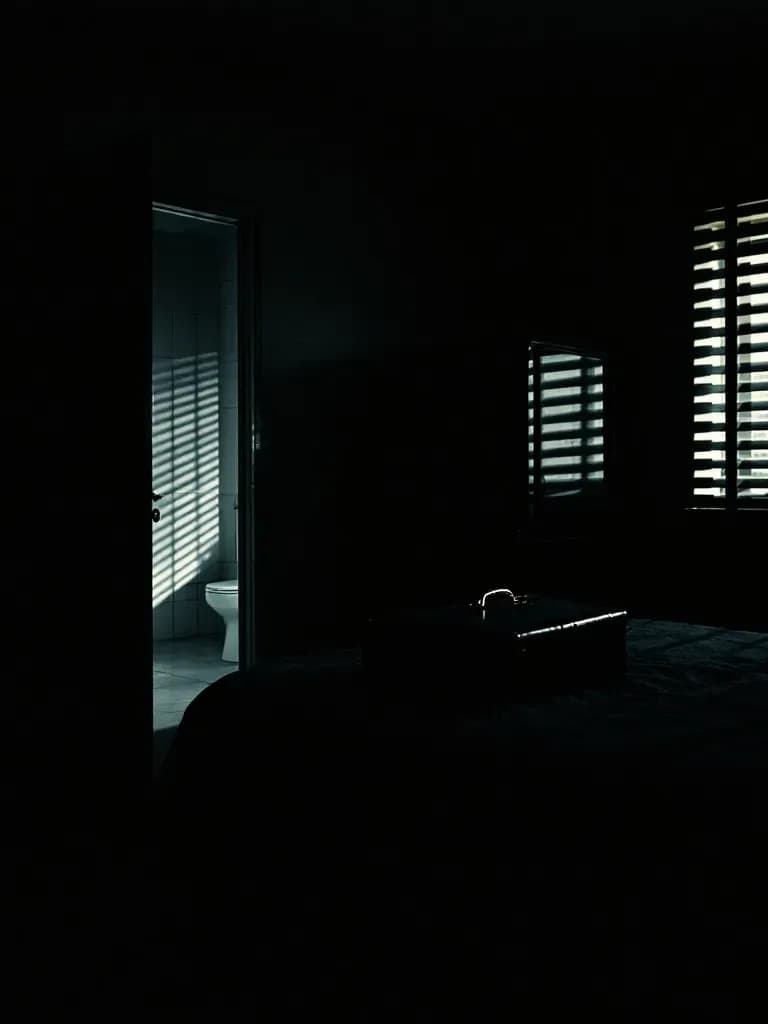
He called this alleged network The Octopus and was working on a book about it. In August 1991, he traveled to Martinsburg, West Virginia, to meet a source he believed could provide crucial evidence. He was found dead on August 10, 1991, in the bathtub of his room at the Sheraton Hotel, his wrists slashed multiple times.
Local authorities quickly ruled the death a suicide. But Casolaro's family was unconvinced. They noted that he had told friends and relatives he was close to a major break in his investigation, and that he had warned them — almost prophetically — that if he were to die under suspicious circumstances, they should not believe it was an accident. The severity of the wounds, the disappearance of his briefcase full of research notes, and the circumstances of the meeting he had arranged all fueled suspicion.
No one has ever been charged in connection with Casolaro's death. The case remains officially unresolved, occupying a strange liminal space between established suicide and suspected homicide that the documentary explores at length. As Rolling Stone and other outlets have noted, the series is careful not to manufacture certainty where none exists — the open wound of the Casolaro case is precisely the point.
---
Production
Director Zachary Treitz spent considerable time with the surviving paper trail of Casolaro's investigation, as well as with journalist Christian Hansen, who serves as an on-screen guide through the labyrinthine claims at the heart of The Octopus theory. The production approach is described by critics as deliberate and atmospheric — less sensationalist than typical true crime fare, more willing to sit with ambiguity.
The series draws on archival materials, interviews with former investigators and journalists, and a reconstruction of the historical context surrounding INSLAW, Iran-Contra, and the broader post-Cold War political landscape. Treitz appears to have been conscious of the risk of simply amplifying unverified conspiracy theories; the series attempts, with varying success according to reviewers, to interrogate its own subject matter as much as dramatize it.
---
Reception
American Conspiracy: The Octopus Murders landed with strong critical and audience numbers for the platform. According to Forbes, the series drew 3.9 million views in its first week, ranking it among Netflix's most-watched English-language titles for that period. Clearly, nearly 33 years after Casolaro's death, public appetite for the story had not diminished.
Critical reception was broadly positive. On Rotten Tomatoes, the series earned an 83% approval rating from 12 critic reviews. Metacritic scored it at 73 out of 100, categorizing it as "generally favorable." On IMDb, the series holds a rating of 6.7/10.
Critics praised the series as compelling and handsomely produced, with several noting that it transcends the conventions of the true crime genre by engaging seriously with the epistemological problem at its center: how do you report on a conspiracy theory responsibly when some elements of it may actually be true? The Indian Express called it "complex" and "compelling," while Decider recommended it as a cut above standard documentary fare.
The central controversy surrounding the series is inseparable from its subject matter. Because The Octopus theory encompasses a wide range of unproven and disputed claims — many of which touch on real documented scandals — discussions about the documentary often devolve into debates about what Casolaro actually uncovered, what was paranoid fabrication, and what may remain buried. The series does not fully resolve these tensions, which is either its greatest strength or its most significant weakness, depending on who you ask.
---
The Case Today
Danny Casolaro's death remains officially unresolved. No criminal charges have ever been filed. His family's long-standing suspicions have never been formally validated by law enforcement, nor have they been definitively disproven. The INSLAW case itself was the subject of congressional investigations and inspector general reports over the years, but the full scope of Casolaro's claimed Octopus network was never confirmed by any official body.
The release of the Netflix series in February 2024 brought renewed attention to the case and to the broader questions it raises about investigative journalism, government accountability, and the dangers faced by reporters who pursue powerful institutions. Whether The Octopus was real, partly real, or a tragic delusion that consumed a well-intentioned journalist — that question remains as open today as it was on the morning of August 10, 1991, when a housekeeper found Danny Casolaro in that Martinsburg hotel room, and a mystery that has outlasted its subject was born.