the Octopus
Danny Casolaro's term for an alleged hidden power network behind US scandals
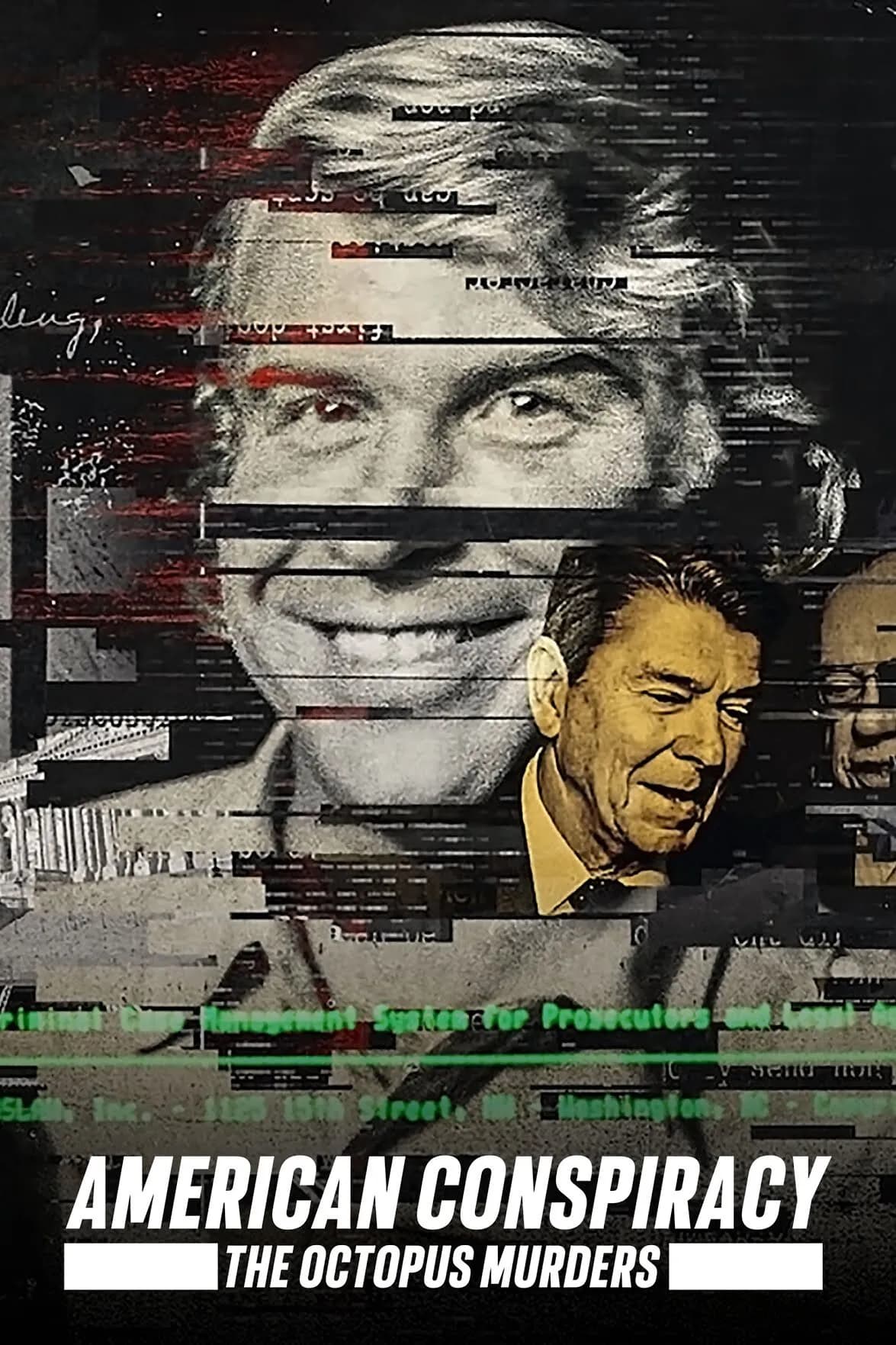
The Octopus is, in the American true crime context, not an official institution or recognised organisation, but journalist Danny Casolaro's own term for an alleged, far-reaching hidden power structure that he believed connected a series of American espionage scandals, political affairs and unsolved killings. The name refers to the image of an octopus with many arms — a network that, according to Casolaro, pulled the strings behind seemingly unrelated events.
Casolaro worked for years on a book about the conspiracy and believed he had identified links between, among other things, the theft of software from the US Department of Justice, the Iran-Contra affair and other government scandals. He described the network as a loose association of former intelligence operatives, businessmen and politically connected actors operating outside lawful bounds and allegedly with impunity.
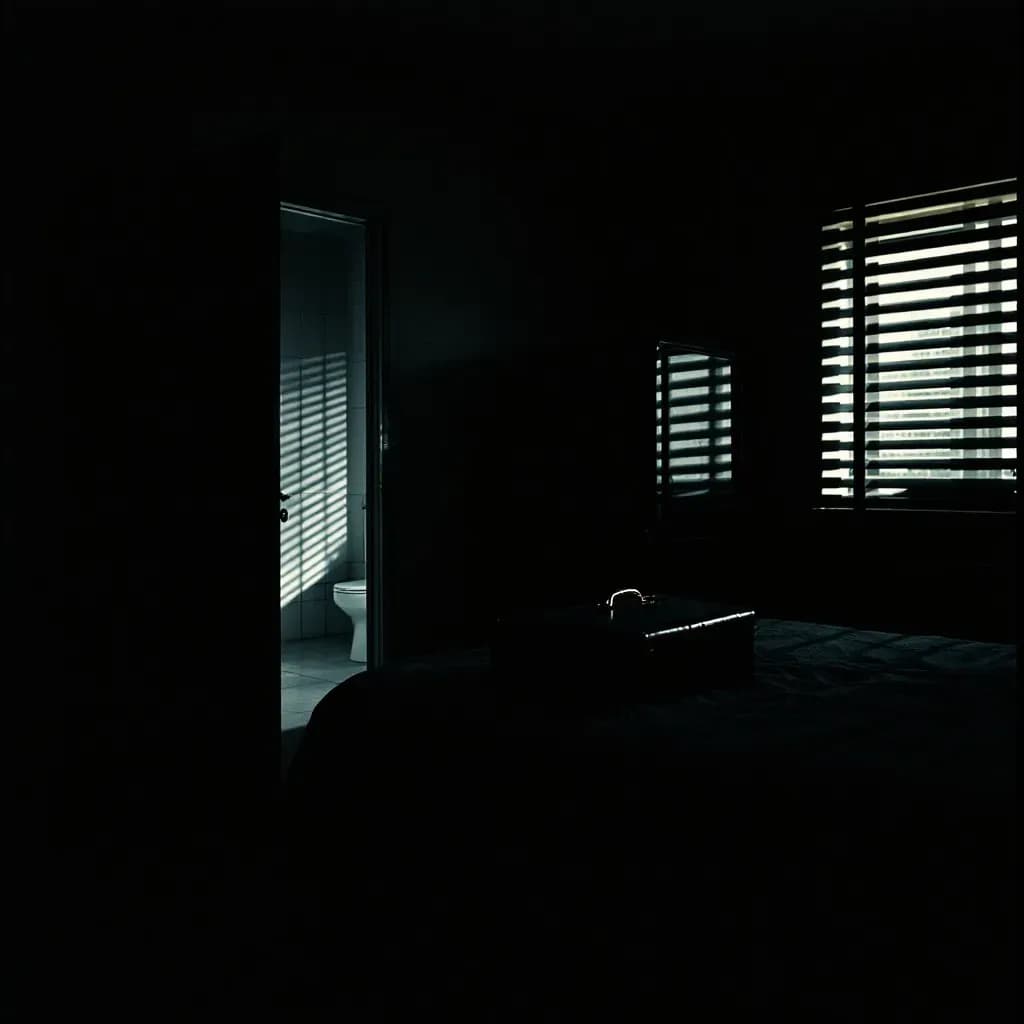
In August 1991, Casolaro was found dead in a hotel room in Martinsburg, West Virginia. State authorities classified the death as suicide by cutting of the wrists. His remaining notes and working material on The Octopus disappeared from the hotel room and were never recovered in full, which subsequently fuelled speculation as to whether the death could have been a murder.
The Octopus has never had any formal existence in the American legal system and is not documented as a real organisation by authorities or courts. No person or group has ever been charged in direct connection with the alleged conspiracy. The case remains officially closed as a suicide case, although it has given rise to continuing discussion about press freedom, intelligence operations and the credibility of the authorities.
In the true crime genre, The Octopus has become a central concept, symbolising the question of what Casolaro actually knew, and whether his death was the suicide of a mentally ill man or the consequence of digging too deeply into powerful circles. The case has been treated in documentary series, books and articles and is regarded as one of the most complex and unresolved examples of journalistic martyrdom in modern American history.