unsolved mysteries
A popular term for unresolved criminal cases lacking active investigative leads, though not a formal legal classification in U.S. federal law.

Definition
"Unsolved mysteries" is not a term of art in U.S. federal criminal law. The phrase exists primarily in true crime media and popular discourse to describe criminal cases that remain unresolved, without identified perpetrators or conclusive evidence. In formal law enforcement contexts, the standard terminology is "cold case" – an unsolved offense where active investigation has ceased due to exhausted leads, though the case may be reopened if new evidence emerges.
The U.S. Department of Justice employs the term "cold case" in its Cold Case Initiative, which focuses on identifying and investigating racially motivated murders from previous decades. This reflects official federal preference for "cold case" over "unsolved mysteries" in policy and investigative frameworks. The distinction matters procedurally: cold cases remain technically open and can be reassigned resources, whereas closed cases require formal reopening.
Federal law has specifically addressed certain categories of unsolved historical crimes through the Emmett Till Unsolved Civil Rights Crime Act of 2007. This statute, codified as a note to 18 U.S.C. § 249, authorizes federal review and investigation of unsolved civil-rights-era murders, particularly racially motivated killings from 1969 and earlier. The Act demonstrates congressional recognition that some unsolved cases merit continued federal attention despite the passage of time.
In true crime usage, "unsolved mysteries" encompasses a broader range of unresolved events than the legal term "cold case," sometimes including disappearances, suspicious deaths, and incidents where criminal activity is suspected but not proven. The phrase carries cultural resonance but lacks the procedural precision required in criminal justice administration, where case status classifications determine resource allocation and investigative authority.
Related entries
Related articles

40 Years in the Shadows of Danish Murder
Arne Woythal spent four decades as a homicide detective in the Danish police force, investigating some of the country's most serious crimes. Now, through memoir and public speaking, the veteran investigator is sharing the untold stories from 25 years behind the scenes of murder investigations.
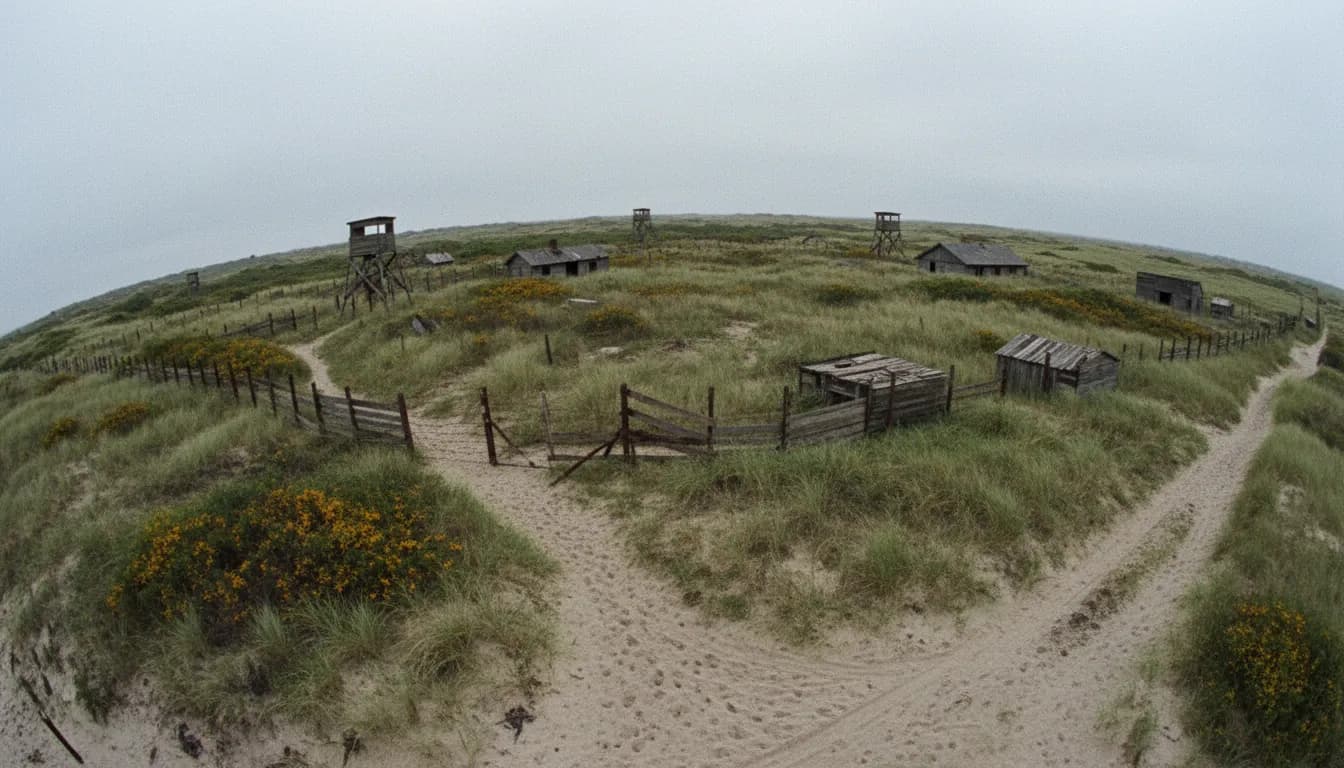
Danish Triple Murder: Bodies Found at Abandoned Military Campsite
A Danish true crime podcast has brought renewed attention to one of Scandinavia's most disturbing unsolved cases: three bodies discovered at an abandoned campground in a remote military zone on Denmark's west coast. The grim discovery was made by vacationing families who stumbled upon human remains in various states of decomposition.
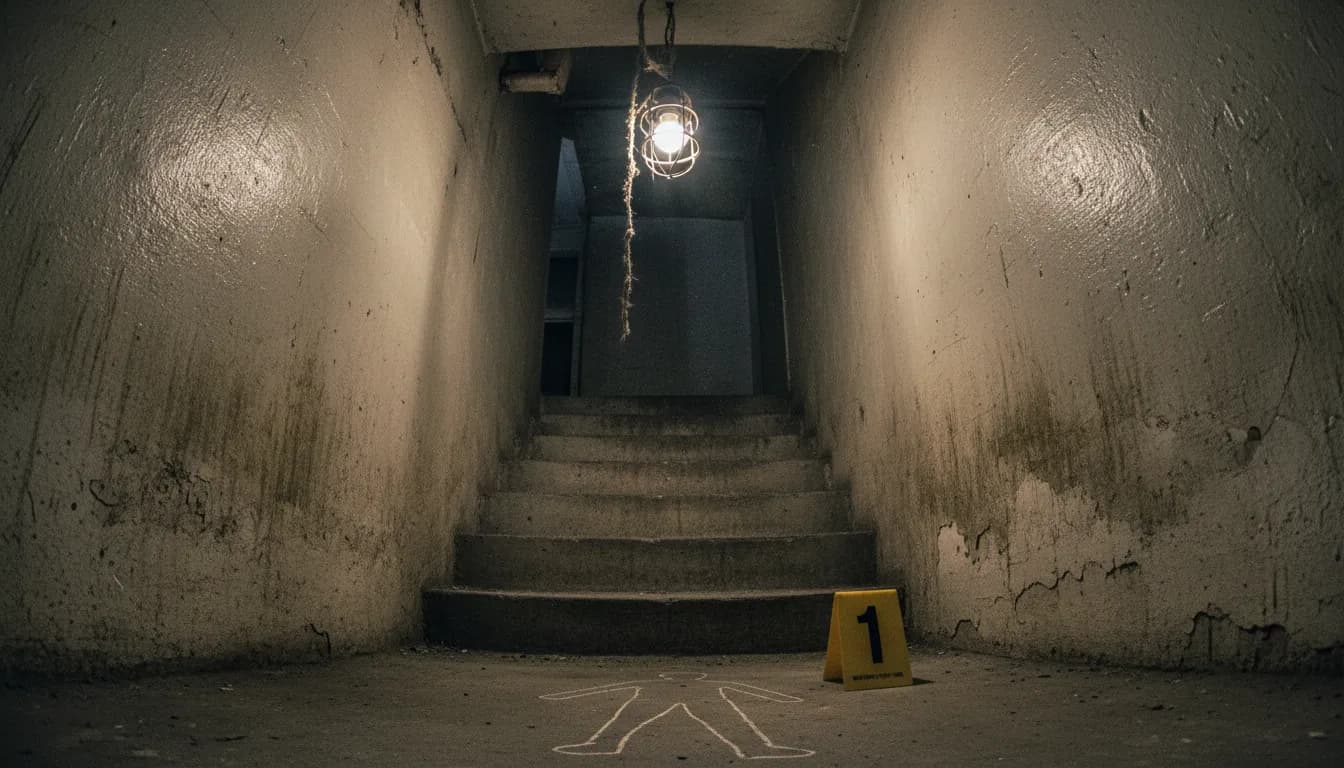
DNA, Doubt, and a Danish Hospital Murder
On October 23, 1990, a 20-year-old nurse's aide was found strangled in the basement of a Copenhagen-area hospital. The case that followed would test Denmark's emerging forensic science and raise enduring questions about justice—now revisited in a new podcast investigation.
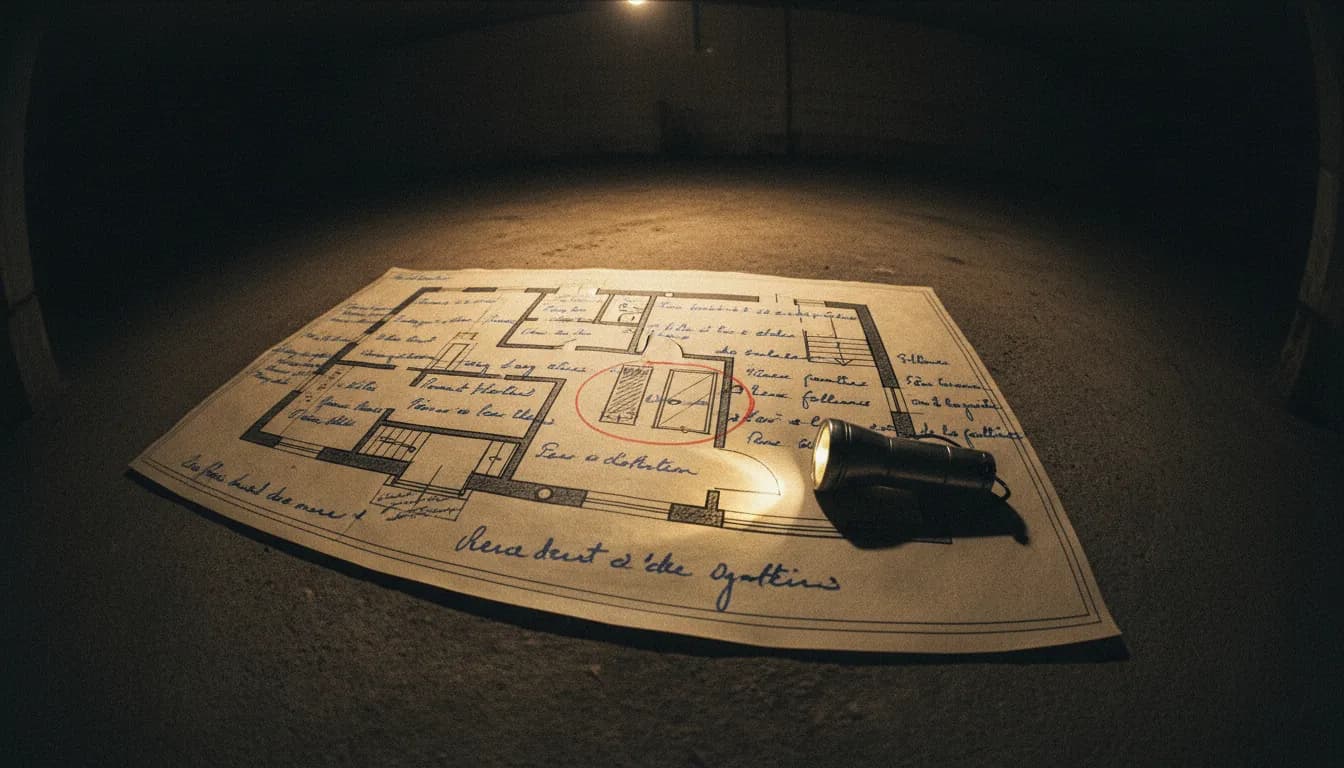
Mørkeland: Marc Dutroux, Accomplices and Captive Victims in Belgium
Mørkeland episode 342 is the second part of a special series on Belgian serial killer and paedophile Marc Dutroux, covering his accomplices, the systematic abductions, and the horrifying captivity of victims including Julie Lejeune and Melissa Russo.

Inside the Stalker's Mind: New Podcast Maps Five Dangerous Patterns
A new five-part podcast exploring stalking's psychological roots is drawing international attention for its systematic breakdown of predatory patterns. Hosted by award-winning journalist Ruchira Sharma and featuring forensic psychologist Dr. Rachael Wheatley, 'Anatomy of a Stalker' identifies five distinct stalker typologies based on decades of clinical research.
When Childhood Bullies Become Murder Cases: The Wisecrack Podcast
British stand-up comedian Edd Hedges returned to his Essex hometown for a charity performance and discovered something unsettling: his childhood bully had committed a brutal double murder. The encounter inspired 'Wisecrack,' an unconventional true crime podcast that blends dark humor with serious criminal investigation.
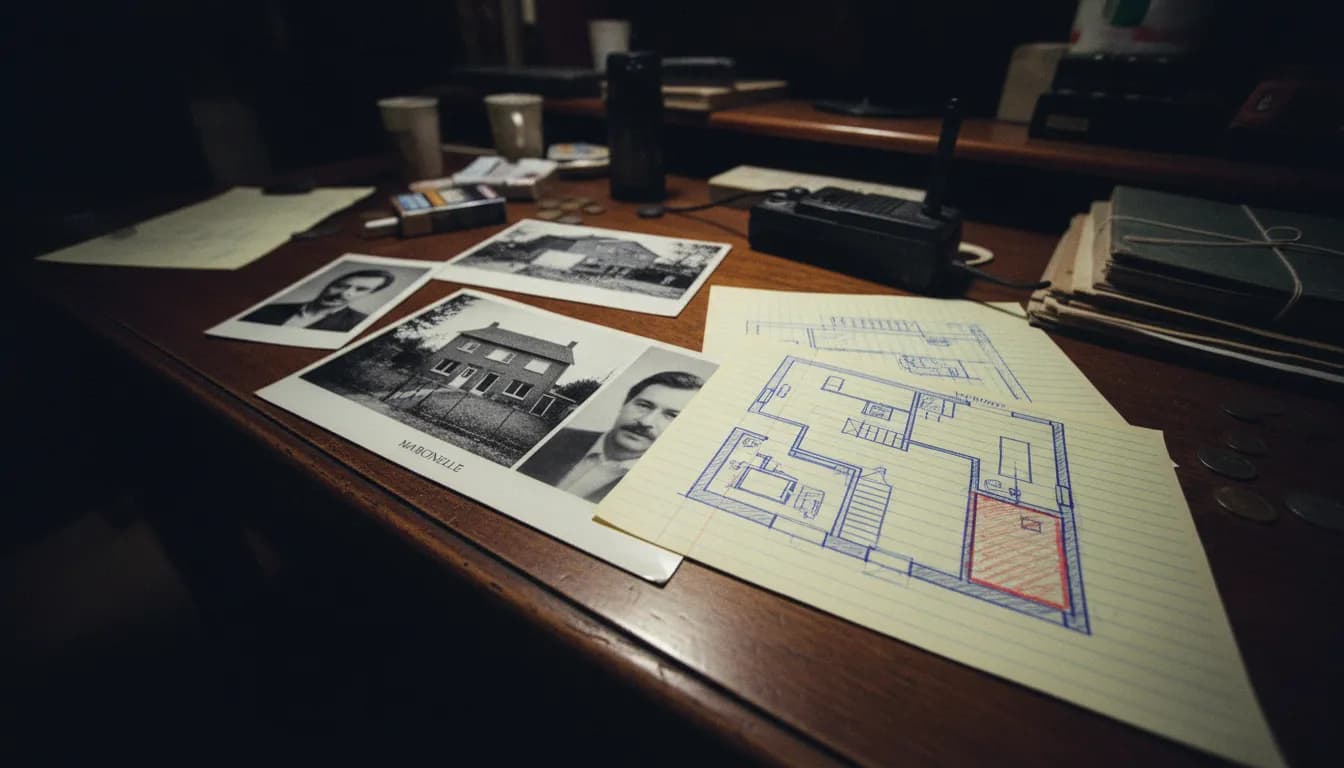
The Dungeon: Inside Marc Dutroux's Chamber of Horrors
In the mid-1990s, Belgian serial killer Marc Dutroux constructed a concealed dungeon beneath his home in Marcinelle to imprison kidnapped girls as sex slaves. Despite multiple police visits to the property while victims remained captive, the case became a landmark example of systemic investigative failure.

Wisecrack: When a Comedian's Trauma Became a True Crime Investigation
British stand-up comedian Edd Hedges premiered the limited series podcast Wisecrack on September 2, 2025, blending his comedy set with a true crime investigation into a double homicide in his English hometown. Emmy-nominated producer Jodi Tovay discovered Hedges' darkly comic routine at Edinburgh Fringe Festival and spent years uncovering the story behind it.

The Amstetten Horror: 24 Years in Josef Fritzl's Basement
In April 2008, Austrian police discovered that Josef Fritzl had imprisoned his daughter Elisabeth in a concealed basement chamber for 24 years, subjecting her to repeated rape and forcing her to bear seven children in captivity. The case shocked Austria and revealed systematic failures in a family home in Amstetten.

34 Years After the Murder: Man Convicted of Killing Hanne With
23-year-old Hanne With was killed in her Copenhagen apartment on New Year's Day 1990. After 34 years without a resolution, Henrik Krogh Rasmussen was arrested and convicted of her murder.
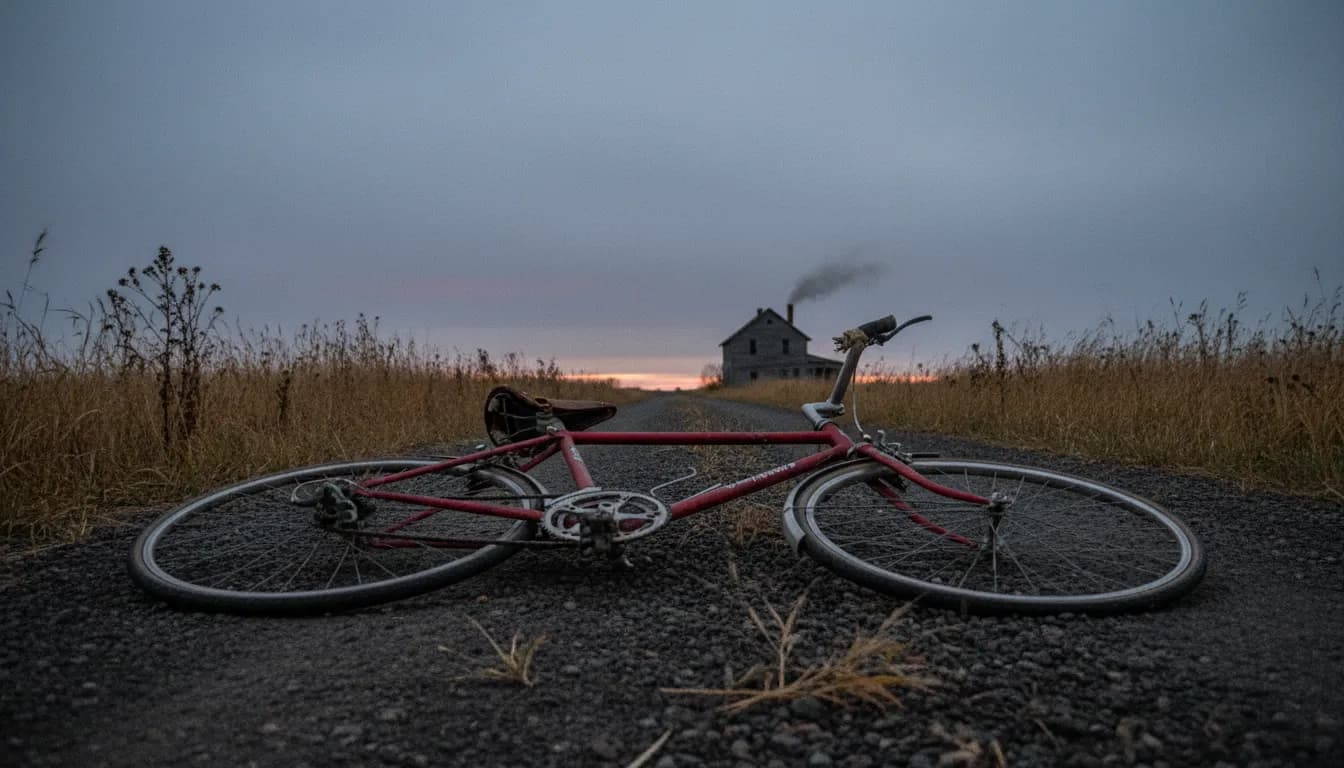
27 Years in the Dark: How Podcasts Documented Jacob Wetterling's Case
Jacob Wetterling was 11 years old when he vanished while cycling home from a convenience store in rural Minnesota in October 1989. Twenty-seven years later, DNA evidence and a confessional plea deal would finally reveal what happened to him—and podcasters would document every twist of this watershed case.
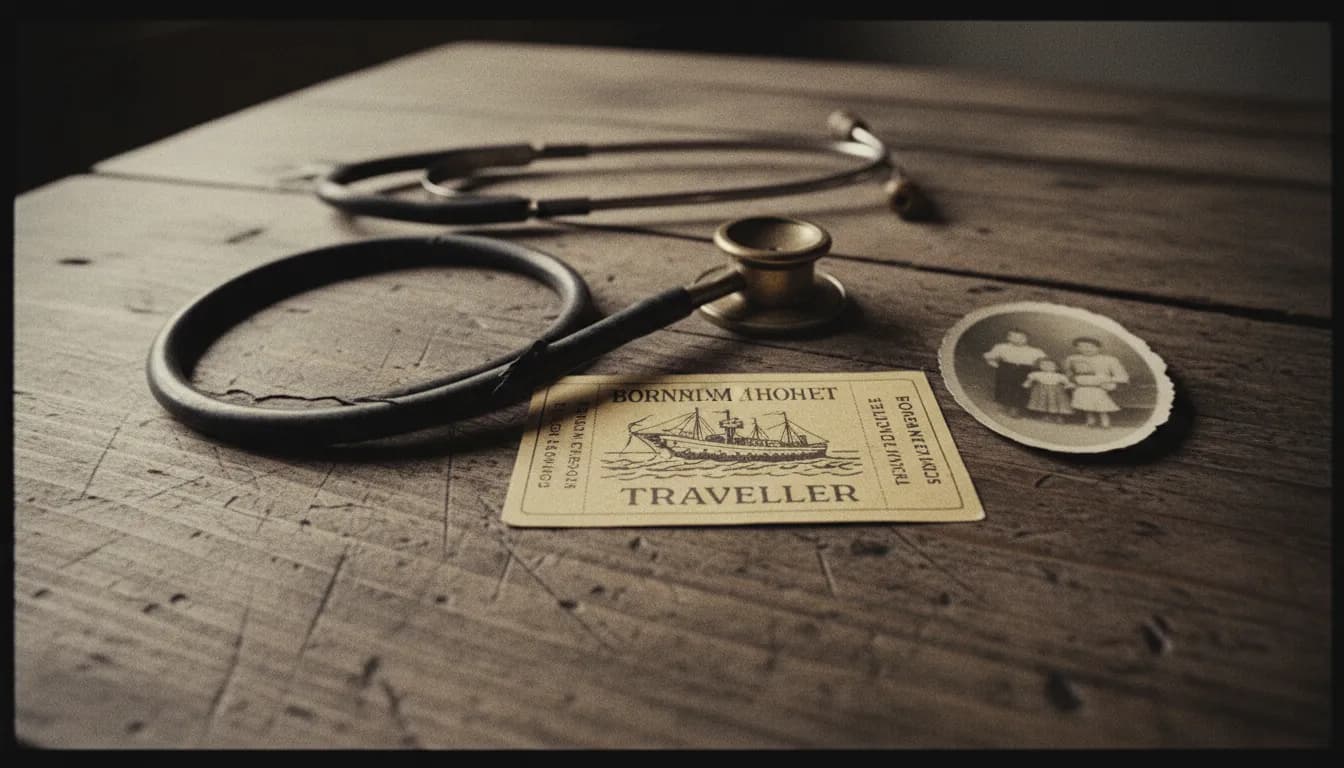
The Pediatrician Who Murdered Her Lover's Family
On August 27, 1995, pediatrician Elisabeth Wæver traveled to the Danish island of Bornholm under a false identity with a calculated plan: to kill her lover's wife and two young children using stolen morphine and fire. The case remains one of Scandinavia's most shocking crimes of passion.