The Mormon Manson: How a Cult Leader Ordered 25+ Murders from Prison
Ervil LeBaron's reign of terror spanned decades and continued after his death in 1981
Published June 6, 2025
Quick Facts
Ervil Morrell LeBaron, born February 22, 1925, became one of America's most prolific cult leaders—and one of the most dangerous. Operating from San Diego, California, where he founded the Church of the First Born of the Lamb of God in 1972, LeBaron commanded a polygamous fundamentalist group known as the "Lambs of God." By the time of his death on August 15 or 16, 1981, at Utah State Prison in Draper, his organization was linked to an estimated 25 to 33 murders spanning more than two decades.
LeBaron's hold over his followers was absolute. He claimed to be "The One Mighty and Strong," a prophetic figure in Mormon fundamentalist theology, positioning himself as divinely ordained to lead. This messianic authority allowed him to order violence with impunity, and his followers—bound by religious conviction and fear—carried out his instructions without question.
The confirmed murders began in 1972 with the killing of his own brother, Joel LeBaron, in Mexico. Two years later, in 1974, LeBaron was tried and convicted for ordering Joel's death in a Mexican court. But the conviction did not stick; it was overturned on a technicality, with allegations of bribery clouding the proceedings. The setback did nothing to restrain LeBaron's appetite for violence.
Timeline
Ervil LeBaron is born
Ervil Morrell LeBaron is born on February 22, 1925. He will later found and lead the Church of the Lamb of God.
Rulon C. Allred murdered in Utah
Rival sect leader Rulon C. Allred is murdered in 1977 on the orders of Ervil LeBaron. The killing takes place in Utah and draws wide public attention.
LeBaron convicted in Utah
A Utah court convicts Ervil LeBaron of first-degree murder for ordering the killing of Rulon C. Allred. He is sentenced to life in prison.
LeBaron dies in prison
Ervil LeBaron dies in his prison cell in August 1981, reported as suicide. He leaves behind a religious manifesto with a death list for his followers.
The four o'clock murders are carried out
On June 27, 1988, LeBaron's followers carry out three simultaneous murders at around 4 p.m. The victims are Duane Chynoweth, Jennifer Chynoweth (8 years old), Eddie Marston, and Mark Chynoweth.
Arrests and trials begin
Over the following decades, seven cult members are arrested. Five are convicted in connection with the 1988 murders after a lengthy investigation and trial process.
On April 1975, polygamist Bob Simons was killed on LeBaron's orders. Then came the murder that would finally land LeBaron in prison for life. In 1977, he orchestrated the killing of Rulon C. Allred, leader of the Apostolic United Brethren, a rival polygamist group. The murder was calculated and brutal—a demonstration of LeBaron's willingness to eliminate religious competitors.
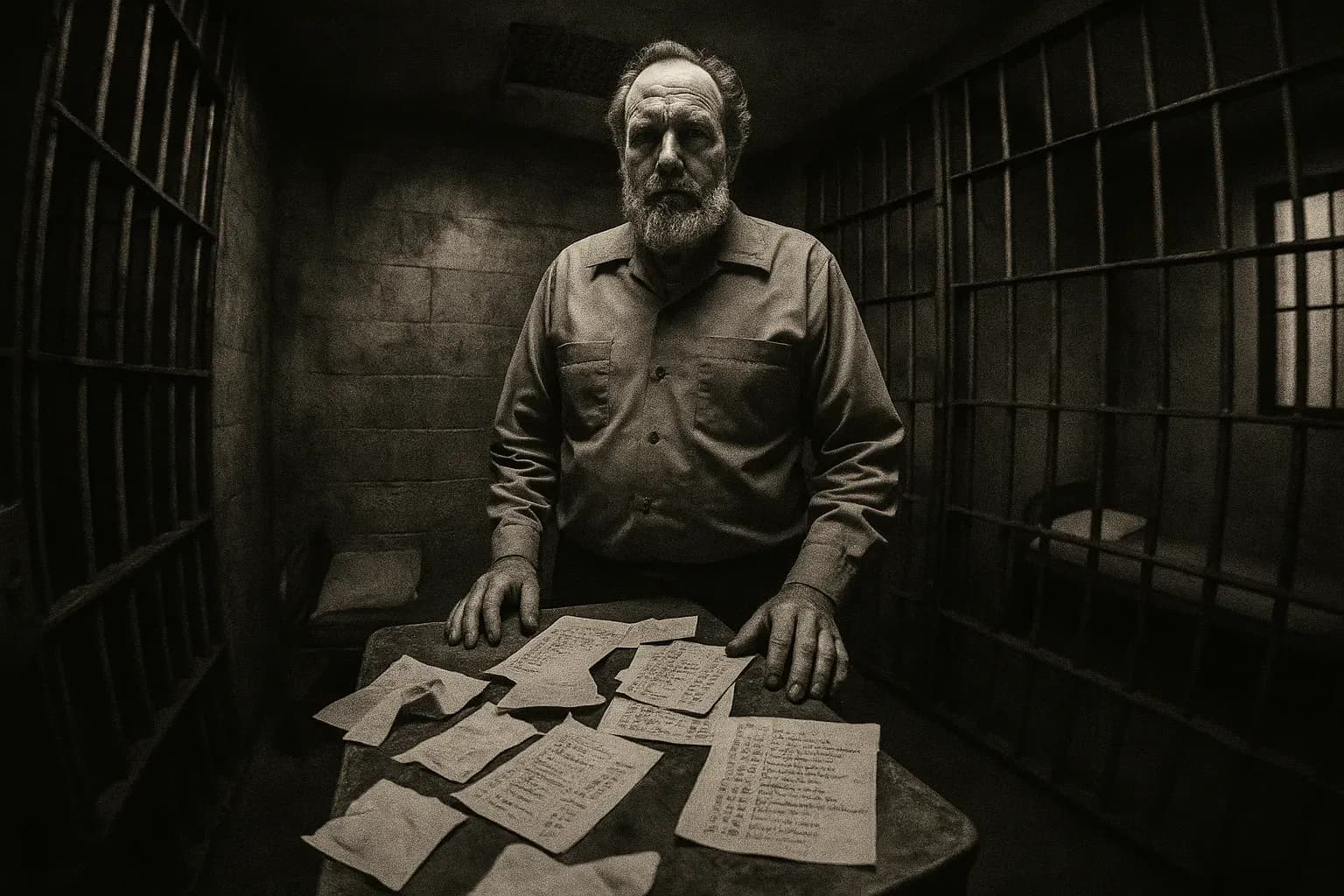
It took years to build an airtight case. LeBaron was apprehended in Mexico on June 1, 1979, and extradited to the United States. In May 1980, he was convicted of first-degree murder for ordering Allred's death. The sentence was life imprisonment, and LeBaron was incarcerated at Utah State Prison.
Yet imprisonment did not end his reign of terror. Before his death—whether by suicide or massive heart seizure, accounts differ—LeBaron penned a manifesto that included a "hit list." His followers, still devoted to his cause and his violent theology, continued the murders. What made LeBaron's legacy particularly chilling was that the killings persisted long after he died, extending into the 1990s as his adherents worked through his final instructions.
LeBaron earned the nickname "the Mormon Manson," a comparison that captured the cult-like control he exerted and the scale of violence he orchestrated. Like Charles Manson, he wielded religious ideology as a weapon, twisting faith to justify murder. Unlike Manson, however, LeBaron's influence extended far beyond his lifetime, demonstrating how deeply his violent theology had penetrated his followers' consciousness.
The story of Ervil LeBaron remains a stark reminder of how religious authority can be weaponized, and how a single charismatic leader can catalyze decades of violence. His organization killed across state lines and international borders, targeting both outsiders and those within the fundamentalist Mormon community who challenged his supremacy. Even in death, LeBaron's legacy was one of blood—a prophet of violence whose final words spelled continued murder for those who remained in his thrall.
Sources: https://en.wikipedia.org/wiki/Ervil_LeBaron https://www.independent.co.uk/news/world/americas/ervil-lebaron-family-murders-mexico-b2129424.html https://www.oxygen.com/crime-news/who-is-ervil-lebaron-and-how-is-his-family-connected-to-mexico-cartel-massacre https://byustudies.byu.edu/article/prophet-of-blood-the-untold-story-of-ervil-lebaron-and-the-lambs-of-god https://sallydenton.com/ervil-lebaron-how-a-fundamentalist-leader-became-known-as-the-mormon-manson-the-independent/
Ask about this case
Answers from KrimiNyt's coverage onlyFollow this case
Get an email when a new documentary, podcast or book about The Mormon Manson: How a Cult Leader Ordered 25+ Murders from Prison appears, or when a verdict is reached.