Massacre
The shockwave after mass murder – definition, methods, and consequences

Definition
Defined by brutality and randomness: Understand what a massacre is, why they happen in public spaces, and the complex hunt for answers after the tragedy.
The shockwave after mass murder – definition, methods, and consequences
What defines a massacre: Scope, brutality, shockwaves
In true crime, a massacre is defined as a mass murder or the killing of a large number of people, often characterized by brutality and randomness, carried out within a short period and typically at a single, specific location. This type of violent crime differs significantly from isolated murders or serial killings through its concentrated and extensive violence directed at multiple, often defenseless, victims simultaneously or in rapid succession. A key characteristic of massacres is the profound shockwave they send through society, and the massive scale of the tragedy, which inflicts unbearable losses on both families and local communities.
Crime scene, methods, and investigation of a massacre
These tragic events often unfold in public or semi-public spaces, where the perpetrator can target many people. Although shootings with firearms are a frequent method used in many massacres, they can also be carried out with other types of weapons or means. The sudden and often unpredictable violence leaves deep psychological scars and trauma, not only for survivors and their relatives but for the entire collective consciousness, inevitably raising questions about public safety. The subsequent investigation is typically extremely complex and resource-intensive. A large crime scene, a high number of witnesses and victims, and the often difficult task of determining the perpetrator's specific motive place enormous demands on police resources and expertise.
The dark imprint of massacres: Why understanding is vital
Understanding what a massacre entails is therefore essential within the true crime genre. This type of event represents one of the most extreme manifestations of violence, shedding light on the darkest sides of human behavior and the devastating consequences when violent attacks are directed against many innocent people. Massacres constitute an ongoing tragic and complex challenge for society, requiring sustained focus from investigators, researchers, and the public in efforts to understand the underlying causes and work towards better prevention of similar catastrophes.
Ready to take a closer look at real-life tragedies? Explore harrowing cases of public space attacks and complex investigations related to Massacres in our case collection below.
Read more
Related articles

The Truth vs. Alex Jones
HBO Max documentary about the Sandy Hook shooting of 2012 and the landmark defamation lawsuits victims' families won against conspiracy theorist Alex Jones.
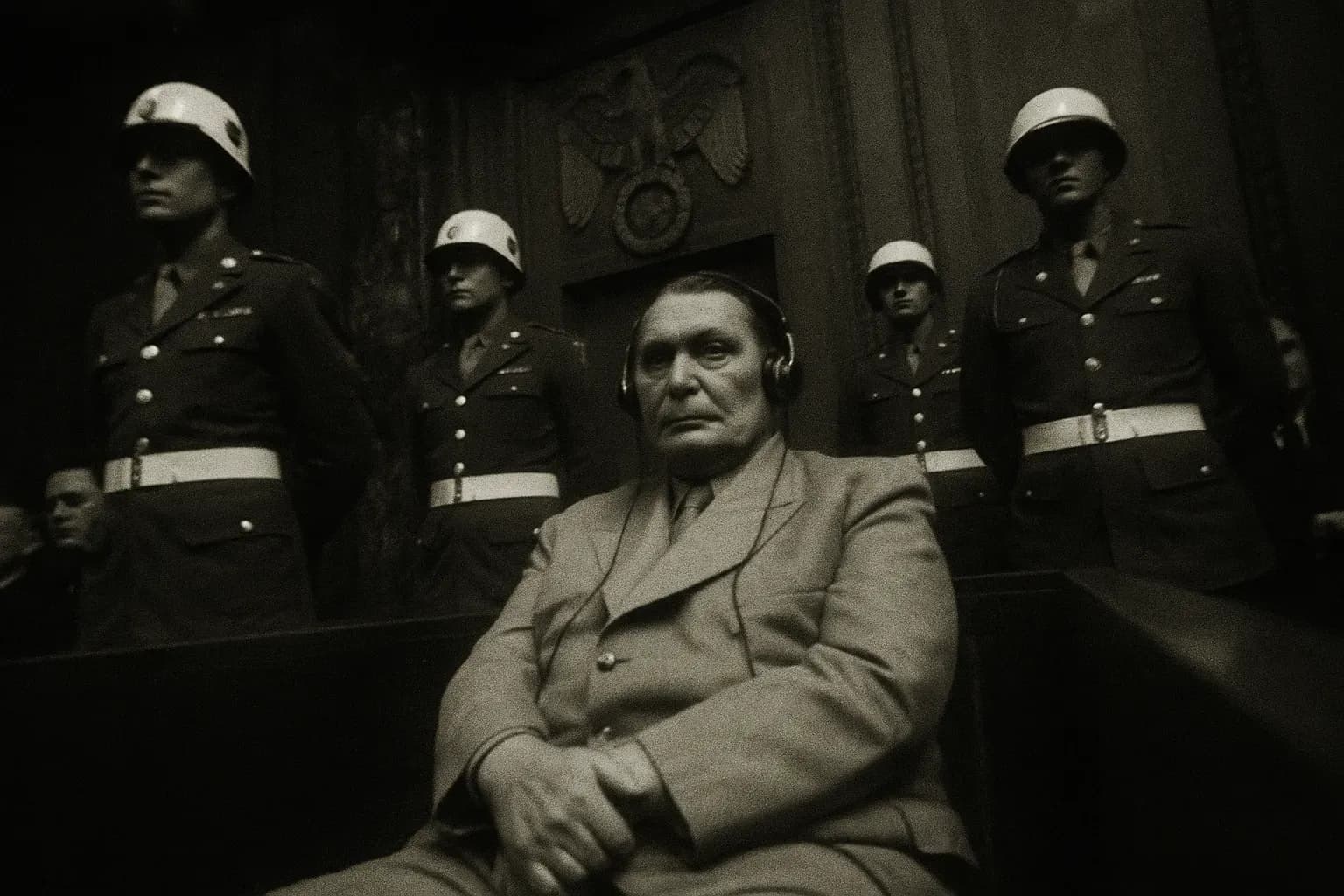
Nuremberg: How Allied Justice Redefined War Crimes Law
When Nazi leaders faced trial in Nuremberg in 1945-46, the Allies pioneered a radical legal experiment: treating defeated enemies as ordinary criminals, not conquered foes. The tribunal's verdicts established principles that underpin modern human rights courts worldwide.

RedHanded: How Two British Hosts Are Redefining True Crime
RedHanded launched on July 9, 2017, as a true crime podcast with a difference. Hosted by British friends Suruthi Bala and Hannah Maguire, the show has grown to nearly 400 episodes, winning three consecutive Listeners' Choice Awards at the British Podcast Awards while challenging how audiences understand serial killers, cults, and unsolved mysteries.
In the Dark: How a Podcast Exposed Systemic Justice Failures
Since launching in September 2016, *In the Dark* has become one of the most consequential true crime podcasts, using meticulous investigative journalism to examine not the crimes themselves, but the systemic failures that allow injustice to persist. Now produced by *The New Yorker* and Condé Nast Entertainment, the series has prompted legislative reform and overturned convictions.