Cartel
Understanding their brutal methods, power structures, and the dark side of organized crime

Definition
Brutal power, narco-empires, global violence. Understand what a cartel is, how they operate, and their central role in true crime cases.
Understanding their brutal methods, power structures, and the dark side of organized crime
What is a cartel: Organized crime and power defined
Within the true crime universe, a cartel typically denotes a brutal and hierarchically structured form of organized crime. It is an association of criminal groups or individuals who collaborate to achieve dominance in an illicit market, most often involving drug trafficking (narcotics), arms dealing, or human smuggling. The primary goal of such a criminal network is to eliminate competition, control prices, and thereby maximize profit. These objectives are often pursued through extreme violence, systematic corruption, and deep infiltration of societal structures, cementing cartels' role as central and feared actors in many true crime narratives.
From narco-empires to threat: How cartels operate
These criminal cartels often exhibit business-like discipline, controlling entire supply chains – from production to distribution of, for example, narcotics. To enforce their power and protect their territory, they employ ruthless methods, including intimidation, extortion, and murder, which are central elements of the violence often associated with their operations. Cartels' influence often extends beyond national borders, making them complex actors in transnational crime and a significant challenge for both national police and international intelligence agencies. The enormous profits generated by a cartel are used not only for personal enrichment but also to finance extensive corruption by bribing officials, supporting further criminal operations, and for financial crimes such as laundering money through seemingly legitimate businesses. This significantly complicates investigation and subsequent prosecution.
Why cartels are a threat: Complex dynamics explained
Understanding a cartel's internal dynamics, including its power structures and internal conflicts, as well as its external impact, is essential within true crime. This is because it sheds light on the extensive networks of organized crime that can destabilize entire regions and pose a persistent threat to both local and international security. A cartel's complex structure, its ability to adapt to changing conditions, and its deep entrenchment in both the criminal underworld and sometimes in legal economic sectors, make combating these organizations a lengthy and resource-intensive task for law enforcement globally. Their consistent use of violence and widespread corruption to maintain control and evade prosecution further underscores this challenge for authorities.
Did this spark your interest? Explore cases of international drug trafficking and the brutal power struggles within cartels – find our exciting cases below.
Read more
Los Zetas Horse Racing Money Laundering Case
A federal money laundering conspiracy in which Los Zetas cartel members funneled millions in drug proceeds through American quarter horse racing operations across multiple U.S. states.
The Cali Cartel: How a Colombian Empire Conquered Global Markets
While the Medellín Cartel made headlines with brutality, the Cali Cartel built a more sophisticated empire through corruption and strategic silence. By the mid-1990s, this Colombian organization controlled over 80% of the world's cocaine market—making it arguably the most powerful criminal enterprise ever assembled.
Naples Mafia Reaches Across Europe: Camorra's Global Empire
The Camorra, a Neapolitan organized crime syndicate, has transformed from a regional Italian threat into a transnational criminal powerhouse with operations spanning Europe, North America, and Asia. Fueled by drug trafficking, weapons smuggling, and environmental crimes, the organization generates billions annually while leaving a trail of violence that claims innocent civilians.
Related articles

Los Zetas Horse Racing Money Laundering Case
A federal money laundering conspiracy in which Los Zetas cartel members funneled millions in drug proceeds through American quarter horse racing operations across multiple U.S. states.

The Cali Cartel: How a Colombian Empire Conquered Global Markets
While the Medellín Cartel made headlines with brutality, the Cali Cartel built a more sophisticated empire through corruption and strategic silence. By the mid-1990s, this Colombian organization controlled over 80% of the world's cocaine market—making it arguably the most powerful criminal enterprise ever assembled.

Naples Mafia Reaches Across Europe: Camorra's Global Empire
The Camorra, a Neapolitan organized crime syndicate, has transformed from a regional Italian threat into a transnational criminal powerhouse with operations spanning Europe, North America, and Asia. Fueled by drug trafficking, weapons smuggling, and environmental crimes, the organization generates billions annually while leaving a trail of violence that claims innocent civilians.
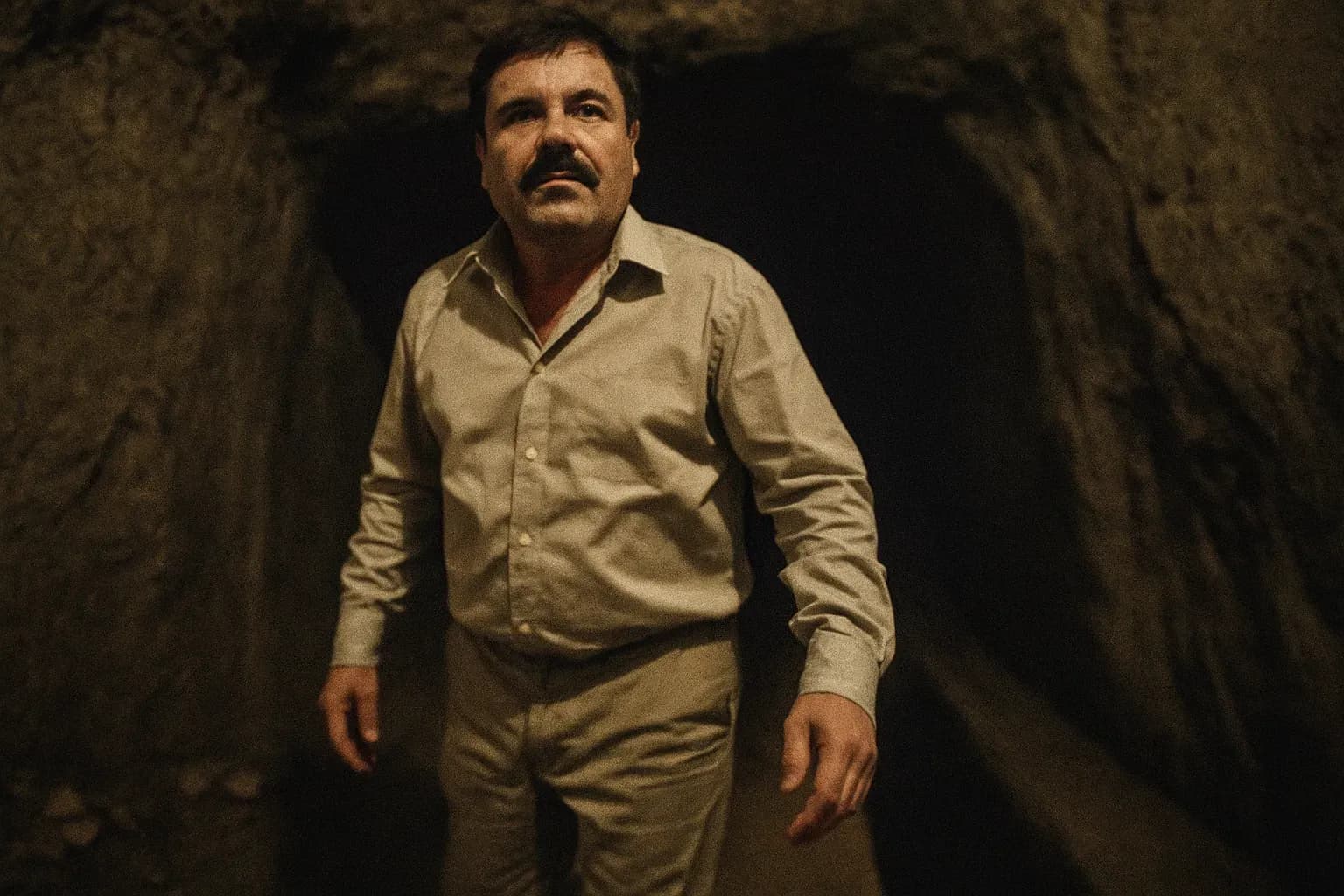
El Chapo: From Prison Escapes to Life Behind Bars
Joaquín 'El Chapo' Guzmán, leader of Mexico's Sinaloa Cartel, orchestrated two dramatic prison escapes before his 2016 recapture and extradition to the United States. In 2019, a federal court in Brooklyn convicted him on all charges and sentenced him to life in prison plus 30 years.
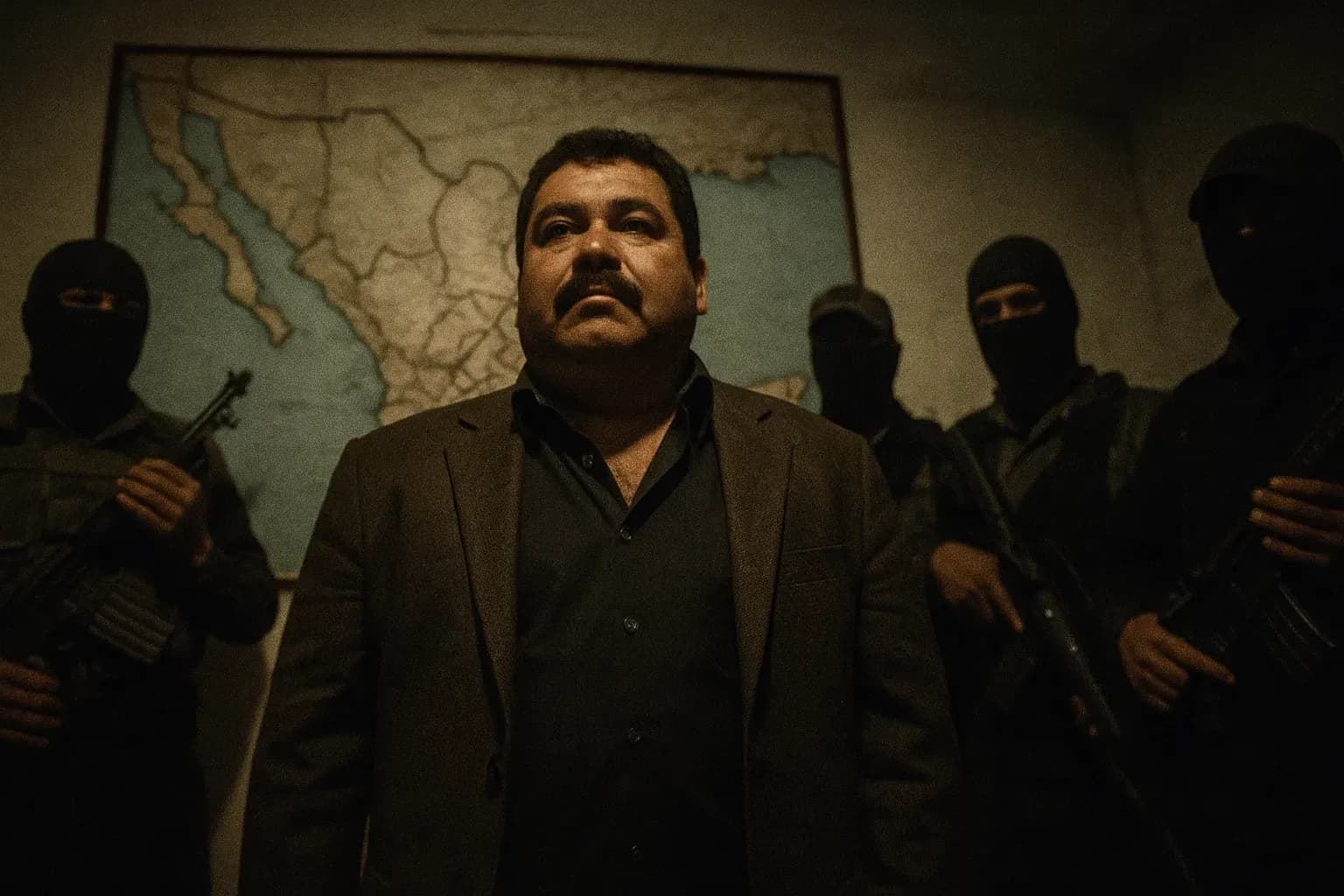
Four Americans Kidnapped by Gulf Cartel in Mexico
Four Americans were kidnapped in Matamoros, Mexico on March 3, 2023, after being mistaken for Haitian drug smugglers by members of the Gulf Cartel. Two of the victims were killed, while two survived. The Gulf Cartel itself moved to apprehend five of its own suspected members.

Tijuana Cartel: The Arellano-Félix Criminal Empire
The Arellano-Félix family built one of Mexico's most violent drug trafficking organizations, the Tijuana Cartel, responsible for thousands of deaths including the 1992 Christine nightclub massacre in Guadalajara that claimed the lives of three journalists.