CIA Enhanced Interrogation Program — U.S. Torture Scandal
CIA black sites worldwide, 2002–2009, investigated by Senate
Published June 7, 2026
Quick Facts
The Case
The CIA Enhanced Interrogation Program was a United States government detention-and-interrogation initiative that operated from 2002 to 2009, holding terrorism suspects at secret facilities worldwide. The Senate Intelligence Committee later concluded the program constituted abuse and torture of detainees held in CIA custody after the September 11, 2001 attacks. Unlike conventional criminal cases, this was a systematic government program authorized by Bush administration officials and the Department of Justice, involving no single offender-victim pair or specific crime date, but rather a coordinated effort spanning multiple continents and years.
The program was developed and implemented by contracted psychologists James Mitchell and John Bruce Jessen, who designed interrogation methods specifically for the CIA's use on high-value terrorism suspects. At least 119 detainees passed through CIA custody during the program's operation, with at least 39 subjected to what the agency termed "enhanced interrogation techniques." The broader rendition and detention network involved at least 136 individuals who were secretly detained or extraordinarily rendered across multiple countries.
The Program
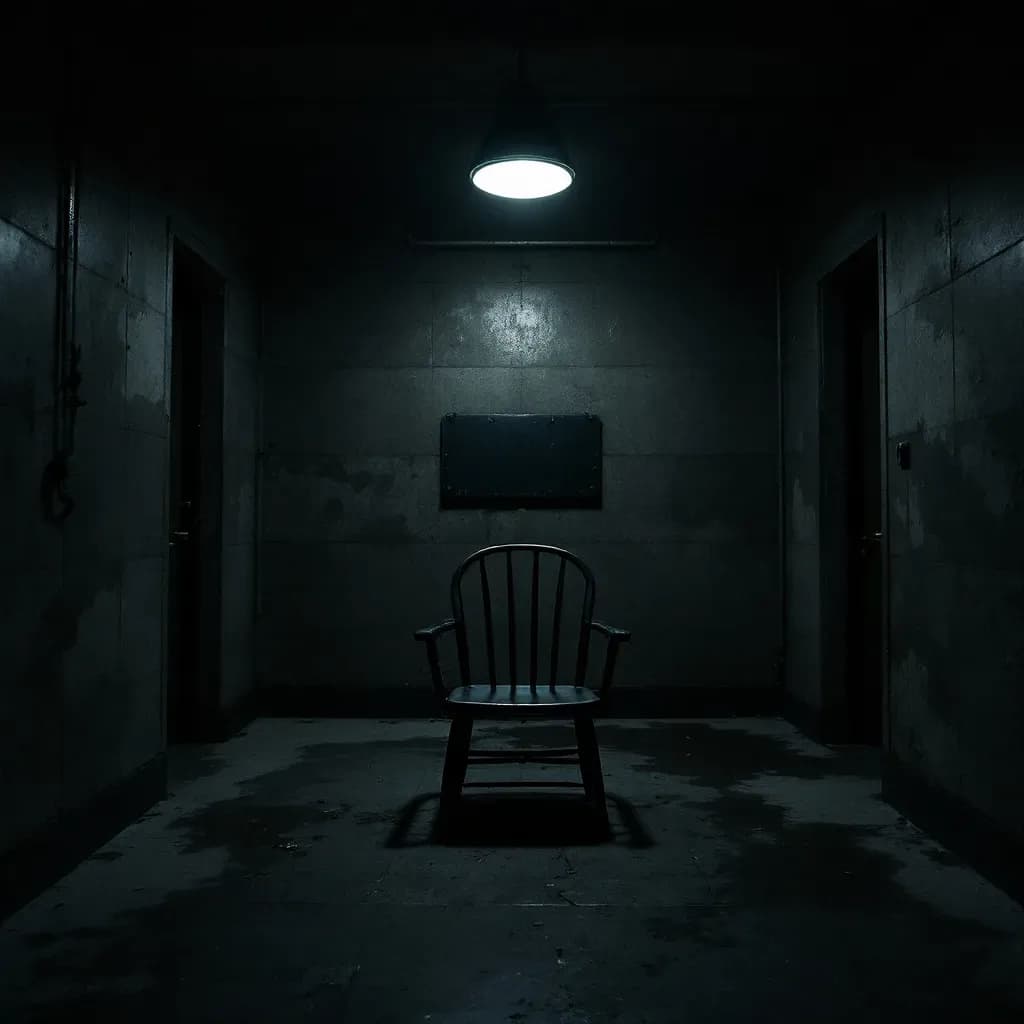
Authorized by officials in the George W. Bush administration following the 9/11 attacks, the CIA established a network of secret detention facilities—commonly referred to as "black sites"—around the world. These facilities operated outside traditional legal frameworks and international oversight, with locations including Abu Ghraib, Bagram, Guantanamo Bay, Rabat, Udon Thani, Vilnius, Bucharest, and Stare Kiejkuty.
Timeline
CIA's Enhanced Interrogation Program launched
The program begins operating in 2002, detaining detainees at secret facilities ('black sites') in several countries around the world.
Program shut down under President Obama
President Obama issues executive orders that dismantle the CIA's Enhanced Interrogation Program and ban the interrogation methods in question.
ECtHR: CIA treatment in Poland amounted to torture
The European Court of Human Rights rules in 2014 that the CIA's treatment of detainees at the Polish black site amounted to torture, and holds Poland liable for damages.
ACLU files Salim v. Mitchell in federal court
The ACLU sues psychologists Mitchell and Jessen in October 2015 in the U.S. District Court for the Eastern District of Washington on behalf of three victims.
Court denies motion to dismiss – case proceeds
In April 2016 the federal court declines to dismiss the case, and Salim v. Mitchell moves forward toward trial.
Salim v. Mitchell settled just before trial
In August 2017 a settlement is reached in the case against Mitchell and Jessen, just before the trial was set to begin. The terms of the settlement have not been fully disclosed.
The interrogation methods employed by the CIA included waterboarding, walling, prolonged sleep deprivation, stress positions, forced nudity, sensory deprivation, confinement in coffin-like boxes, beatings, extended shackling, forced standing for days, and threats of violence or sexual abuse. These techniques were presented as necessary intelligence-gathering tools in the war on terror, though their effectiveness and legality would later become subjects of intense scrutiny and debate.
Mitchell and Jessen, the psychologists who developed the techniques used in the program, had no prior experience in interrogation or terrorism before being contracted by the CIA. Their methods were based on reverse-engineering the U.S. military's Survival, Evasion, Resistance, and Escape (SERE) training program, which was designed to help American personnel resist torture if captured—not to elicit reliable intelligence.
The CIA last used enhanced interrogation techniques on November 8, 2007, though detention operations continued until the program's official termination in 2009 following executive action by the Obama administration.
The Victims
The 119 detainees who passed through CIA custody came from various countries and backgrounds, all suspected of involvement in or knowledge of terrorist activities. High-value detainees included Khalid Sheikh Mohammed, the alleged mastermind of the 9/11 attacks, who became one of the most extensively interrogated individuals in the program.
The detainees subjected to enhanced techniques experienced severe physical and psychological trauma. Many were held in complete isolation, subjected to round-the-clock interrogation sessions, deprived of sleep for days or weeks, and kept in stress positions that caused lasting physical damage. Some detainees were waterboarded dozens or even hundreds of times during their detention.
The broader rendition and detention network extended beyond the 119 individuals in direct CIA custody, with at least 136 people secretly detained or extraordinarily rendered to countries known to practice torture. This shadow system operated with minimal documentation and accountability, making it difficult to establish the full scope of abuse or the complete list of victims.
Many detainees were held for years without charge, access to legal counsel, or notification to their families. Some individuals were later determined to have been wrongfully detained, having no connection to terrorist activities.
Investigation
The Senate Select Committee on Intelligence launched a comprehensive investigation into the CIA Enhanced Interrogation Program, ultimately producing a 6,700-page report. A redacted 525-page executive summary was released to the public in December 2014, revealing systematic deception by the CIA regarding the program's effectiveness and brutality.
The Senate investigation concluded that the enhanced interrogation techniques were not effective in obtaining actionable intelligence and that the CIA had misled the White House, Congress, and the public about the program's results. The report found that information obtained through torture was often fabricated by detainees desperate to end their suffering, and that any valuable intelligence could have been obtained through conventional interrogation methods.
Investigators discovered extensive evidence of abuse beyond the approved techniques, including threats to sexually assault detainees' family members, mock executions, and use of power drills and handguns to terrorize prisoners. The CIA had also destroyed videotapes of interrogation sessions, hindering accountability efforts.
The investigation revealed that the program had cost taxpayers over $300 million, with Mitchell and Jessen's company receiving $81 million for their services before the contract was terminated.
Accountability and Legal Proceedings
Despite the Senate report's damning conclusions, no CIA officials or contractors faced criminal prosecution for their roles in the torture program. The Department of Justice declined to pursue charges, citing previous legal reviews that had already determined no prosecution was warranted.
Mitchell and Jessen did face civil litigation. The American Civil Liberties Union filed a lawsuit on behalf of three former detainees who had been subjected to their interrogation methods. In 2017, the psychologists reached an undisclosed settlement with the plaintiffs, avoiding a trial that would have further exposed the program's details.
International human rights organizations condemned the program as a clear violation of the Geneva Conventions and the Convention Against Torture, to which the United States is a signatory. The legacy of the CIA torture program continues to impact U.S. credibility on human rights issues globally.
Today
The CIA Enhanced Interrogation Program remains a contentious chapter in American history, with ongoing debates about accountability, effectiveness, and the boundaries of executive power during national security crises. Detainees subjected to enhanced interrogation techniques continue to suffer long-term physical and psychological consequences from their treatment.
Several individuals remain in detention at Guantanamo Bay, their legal cases complicated by the torture they endured, which has made prosecution difficult as evidence obtained through coercion is inadmissible in court. This has created a legal limbo where detainees cannot be tried but are deemed too dangerous to release.
Advocacy organizations continue pressing for full declassification of the complete Senate Intelligence Committee report and for criminal accountability for those who authorized and implemented the torture program. Survivors and their advocates argue that without accountability, the prohibition against torture remains vulnerable to future erosion during national security crises.
The program's legacy has influenced ongoing debates about interrogation policy, executive authority, and the balance between security and human rights in democratic societies. It serves as a case study in how legal memoranda and bureaucratic processes can be manipulated to authorize conduct that violates international law and fundamental human rights principles.
Ask about this case
Answers from KrimiNyt's coverage onlyFollow this case
Get an email when a new documentary, podcast or book about CIA Enhanced Interrogation Program — U.S. Torture Scandal appears, or when a verdict is reached.