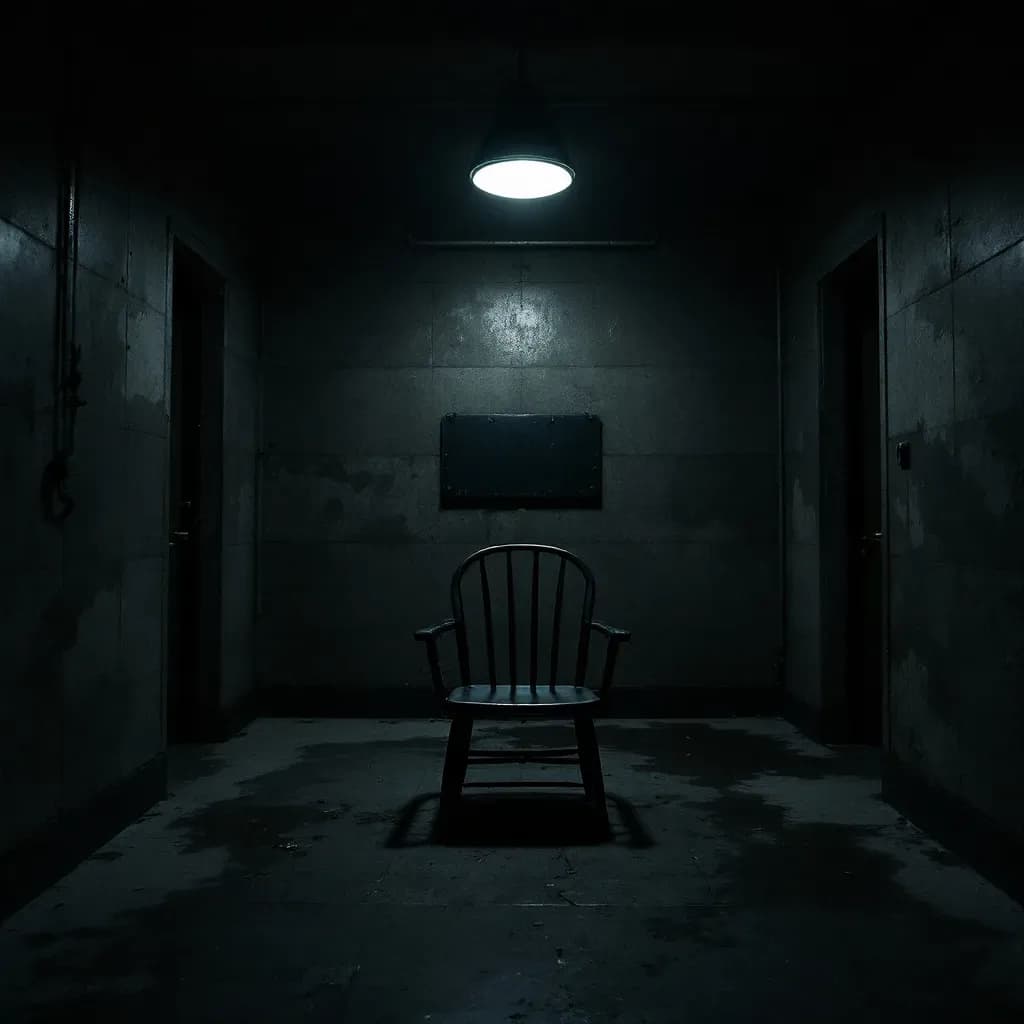
CIA Enhanced Interrogation Program
CIA's secret post-9/11 detention and interrogation programme, with no convictions
The CIA Enhanced Interrogation Program was a US executive state function — not a court or traditional judicial authority — established by the CIA after the terrorist attacks of 11 September 2001 for the secret detention and interrogation of terrorism suspects. Its official designation was the CIA's Detention and Interrogation Program, and it operated outside the ordinary justice system under special legal authorisations issued by the US government.
The programme used a range of interrogation methods collectively referred to as 'enhanced interrogation techniques'. These included waterboarding, sleep deprivation, physical coercion and other forms of treatment that critics and later investigations characterised as torture. The CIA set up a network of secret detention facilities — so-called 'black sites' — located in countries outside the United States, which made it possible to operate without direct oversight from Congress or the courts.
In 2014 the US Senate, through the Senate Select Committee on Intelligence, published an extensive investigative report on the programme. The report concluded that the interrogation methods used were brutal and ineffective as an intelligence tool, and that the CIA had misled Congress and the White House about the programme's scope and results. It further found that the programme violated US law, treaty obligations and fundamental American values.
Legally, the programme's significance relates above all to questions of state responsibility, oversight of intelligence services, litigation over state secrets and possible breaches of both national and international law — including the UN Convention against Torture, which the United States has ratified. No CIA employees or leaders have so far been criminally convicted in connection with the programme's methods.
In a true crime context, the programme is treated as a documented case of state abuse of power, systematic violence against detainees and the subsequent attempts at legal and political accountability. It differs from classic criminal cases in that the violations were committed by the state itself — and in that the reckoning has taken place primarily in the political and public sphere rather than before the courts.