Escape
When prisoners break free – desperation, planning, and the intense manhunt

Definition
What drives prisoners to escape? From desperate acts to calculated plans, triggering intense manhunts and shaking society.
When prisoners break free – desperation, planning, and the intense manhunt
What defines an escape and why trigger a crisis?
In true crime, escape refers to the illegal act of an arrested, accused, or convicted person evading lawful custody or imposed detention. This act instantly transforms a controlled situation into an acute crisis. It not only triggers extensive and resource-intensive searches, often led by the police, but also creates genuine public fear and a threat to public safety, as a potentially dangerous perpetrator is now at large. A prison escape is often a desperate move, but it can also be the culmination of cold-blooded calculation and meticulous planning, revealing both the perpetrator's willpower and the vulnerabilities of the justice system.
Why inmates take risks: Motives and success methods
The motives behind an escape are as varied as the individuals who attempt it. They range from a burning desire to evade a lengthy prison sentence after a trial and the subsequent confinement, or a deeply felt conviction of one's own innocence, to a cynical intention to resume a criminal career or avoid prosecution for other, undiscovered crimes – potentially including an unsolved case. The execution of an escape itself ranges from impulsive acts, where a sudden opportunity is seized, to highly complex and meticulously orchestrated operations. These can involve anything from external help from accomplices, smuggled tools and weapons, to the sophisticated exploitation of weaknesses in prison security, during transport, or even from courthouses, highlighting the constant ingenuity that can lie behind a prison escape.
After the escape: Time race, new threats, justice test
The consequences of a successful escape are always severe. Besides the inevitable extension of the sentence for the escape itself, the period at large poses a significant risk, as the escapee may commit further crimes to survive, evade capture, or out of sheer desperation. For investigative authorities, an intense race against time begins, mobilizing all available resources in the hunt to locate and recapture the escapee. This effort often necessitates cross-departmental cooperation between various police units and public involvement through the media. Escape cases are therefore not only a test of the justice system's robustness and ability to maintain custody but also a complex phenomenon that continues to challenge investigators and highlights the enduring struggle between detention and the individual's often intense urge to escape.
What do escapes look like in practice? Read about daring prison breaks and the intense hunts for escaped criminals. Explore our harrowing cases on the subject below.
Read more
The Alcatraz Escape That Remains Unsolved 60 Years Later
On the night of June 11, 1962, Frank Morris and brothers John and Clarence Anglin escaped from Alcatraz Federal Penitentiary in San Francisco Bay. Sixty years later, no confirmed evidence has emerged to prove whether they drowned in the cold Pacific waters or survived to live free.
Escape King Ferrara Captured in Armed Belgian Police Raid
Antonio Ferrara, the French-Italian criminal infamous for two audacious prison escapes, was arrested on February 27, 2025, during an armed police operation in Eupen, Belgium. The 51-year-old was apprehended alongside multiple co-conspirators in a joint French-Belgian raid targeting an alleged plot to rob a German bank vault.
Billy Hayes: The Midnight Express Smuggler Who Escaped Turkey
William 'Billy' Hayes was arrested in 1970 at Istanbul Airport attempting to smuggle hashish out of Turkey. His subsequent imprisonment, daring escape, and the controversial film adaptation made his case one of the most infamous drug smuggling stories in history.
Related articles

The Rock: J. Campbell Bruce's Classic on the Alcatraz Escape
J. Campbell Bruce's true crime classic on Alcatraz prison and the famous 1962 escape, in which three inmates vanished without a trace from the seemingly inescapable island prison.

Danish Podcast Explores Escape and Serial Crime
A Danish true crime podcast has documented a case involving a young man accused of multiple sexual assaults who escaped from a psychiatric facility in Nykøbing Sjælland, Denmark, prompting a manhunt by authorities.
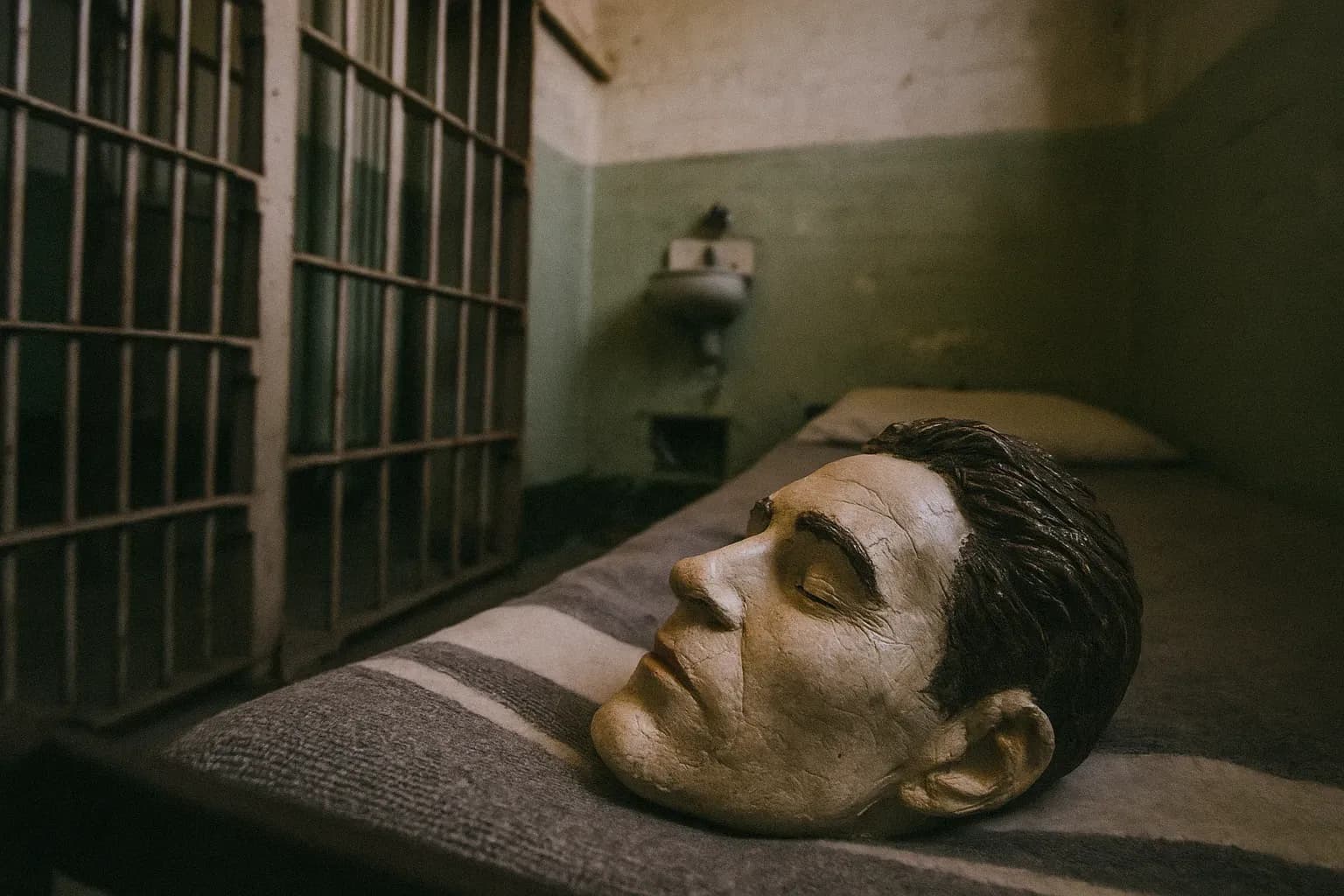
The Alcatraz Escape That Remains Unsolved 60 Years Later
On the night of June 11, 1962, Frank Morris and brothers John and Clarence Anglin escaped from Alcatraz Federal Penitentiary in San Francisco Bay. Sixty years later, no confirmed evidence has emerged to prove whether they drowned in the cold Pacific waters or survived to live free.

Escape King Ferrara Captured in Armed Belgian Police Raid
Antonio Ferrara, the French-Italian criminal infamous for two audacious prison escapes, was arrested on February 27, 2025, during an armed police operation in Eupen, Belgium. The 51-year-old was apprehended alongside multiple co-conspirators in a joint French-Belgian raid targeting an alleged plot to rob a German bank vault.

Billy Hayes: The Midnight Express Smuggler Who Escaped Turkey
William 'Billy' Hayes was arrested in 1970 at Istanbul Airport attempting to smuggle hashish out of Turkey. His subsequent imprisonment, daring escape, and the controversial film adaptation made his case one of the most infamous drug smuggling stories in history.

El Chapo: From Prison Escapes to Life Behind Bars
Joaquín 'El Chapo' Guzmán, leader of Mexico's Sinaloa Cartel, orchestrated two dramatic prison escapes before his 2016 recapture and extradition to the United States. In 2019, a federal court in Brooklyn convicted him on all charges and sentenced him to life in prison plus 30 years.

Pilot Dieter Dengler: Escape from the Vietnam War
German-American pilot Dieter Dengler was shot down on February 1, 1966, during a classified mission over the dense jungle of Laos. His struggle to survive and escape became an extraordinary story of human endurance.

Colditz Castle: From Royal Residence to Escape-Proof POW Camp
Perched 400 feet above the Mulde River in eastern Saxony, Colditz Castle housed some of World War II's most determined escape artists. Between 1939 and 1945, over 130 prisoners attempted to flee the supposedly inescapable fortress, with dozens succeeding against overwhelming odds.
Jack Sheppard: London's Notorious Escape Artist
Jack Sheppard, a 22-year-old carpenter turned burglar, escaped from London jails four times in 1724 before his execution at Tyburn. His remarkable feats of escapology made him a celebrity among the working classes and inspired popular ballads, plays, and prints across England.
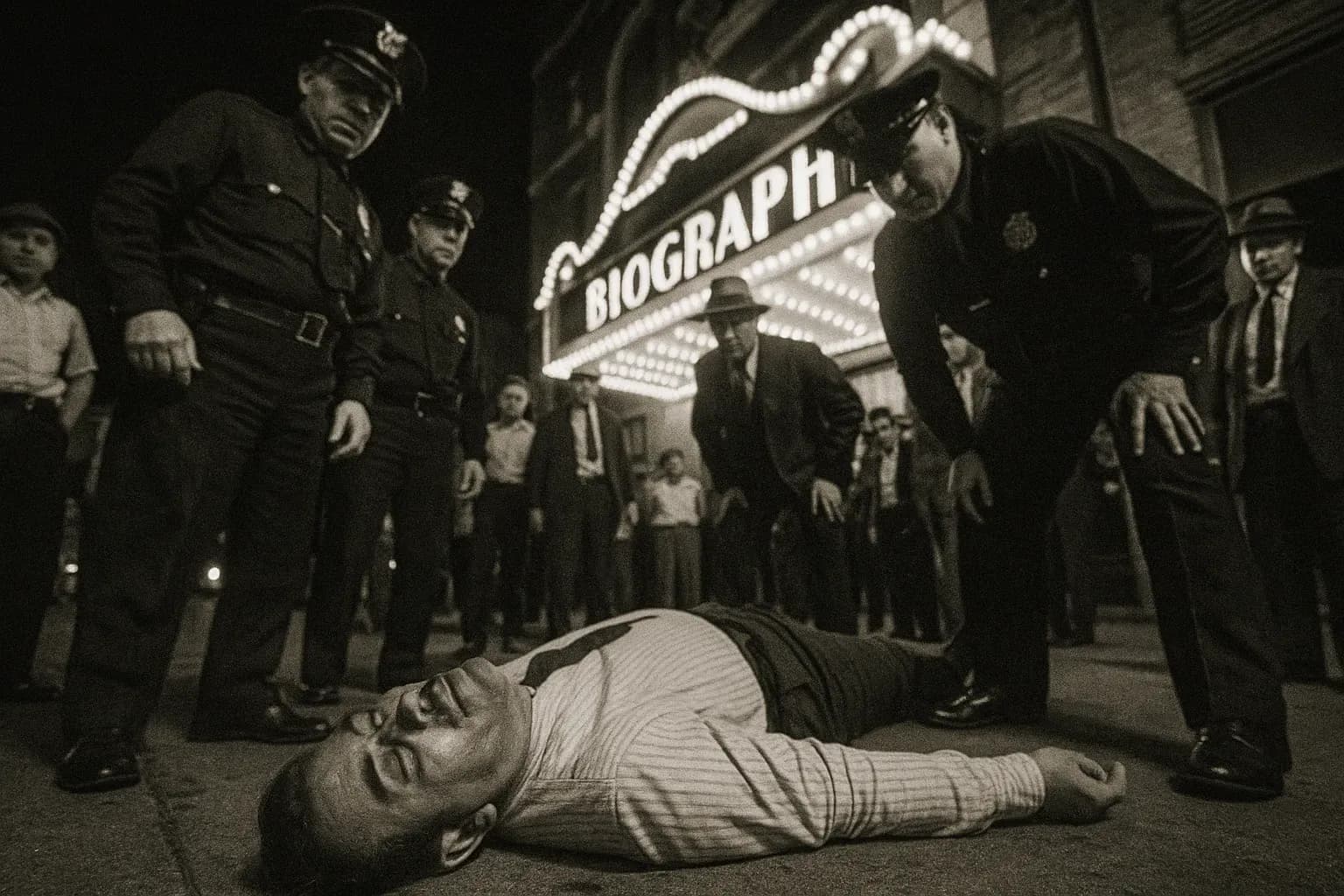
Public Enemy Number One: The FBI's Hunt for John Dillinger
John Dillinger, the mastermind behind the Dillinger Gang's string of bank robberies across America, was shot and killed by federal agents outside Chicago's Biograph Theater on July 22, 1934. His death marked the dramatic end to one of the most intense manhunts of the Depression era.
The Maze Prison Escape: Europe's Largest Jailbreak
On September 25, 1983, 38 Provisional IRA prisoners executed a coordinated escape from HM Prison Maze in Lisburn, Northern Ireland—the largest prison breakout in British and Irish history and the biggest in Europe since World War II.

The Helicopter King: Pascal Payet's Three Daring Prison Escapes
Pascal Payet, a French criminal convicted of murder during a 1997 security van robbery, made international headlines by engineering three separate helicopter escapes from prison between 2001 and 2007. Known by the alias 'Kalashnikov Pat,' Payet's audacious aerial breakouts—each lasting mere minutes—exposed vulnerabilities in European prison security and made him one of the continent's most wanted fugitives.