Military
Uniformed Crime, Closed Systems, and Special Laws in Investigations

Definition
When crimes are committed in the shadow of the uniform: Delve into the closed world of military crime, special laws, and the complex cases that rarely reach the public.
Uniformed Crime, Closed Systems, and Special Laws in Investigations
Crime in uniform: Military cases are complex and closed
Military in a true crime context refers to criminal acts that directly involve military institutions, personnel, or specific operations, either as the crime scene, perpetrators, or victims. These cases are often characterized by a unique dynamic due to the military's hierarchical structure, access to weapons, strict disciplinary codes, and a sometimes insular culture, which can complicate both the nature of the crime and the subsequent investigation. The crimes can vary enormously, from internal cases of theft of military equipment, fraud, violence, and sexual assault within the ranks, to more serious acts such as homicides committed by or against soldiers, and even war crimes during armed conflicts where the boundaries of acceptable conduct are crossed. Military installations and operations can themselves become crime scenes, where the special circumstances and often isolated locations create unique challenges for solving the crime.
Special laws and silence in military crime investigations
The investigation of crimes in the military often differs significantly from civilian cases. Many countries operate with a separate military justice system and their own military police units, which have primary jurisdiction over crimes committed by active-duty personnel or on military territory. This parallel legal system can involve different investigative procedures, rules of evidence, and sentencing guidelines, which may seem opaque to outsiders. Furthermore, the strong esprit de corps and culture of loyalty within military units can inadvertently lead to cultures of silence, making it difficult to uncover the truth, especially in cases of abuse of power or assault. The international dimension of military operations can further complicate cases when crimes are committed across national borders, and questions of jurisdiction and international law become central.
Responsibility and justice: The importance of military cases
Understanding the role of the armed forces in criminal acts is therefore crucial, as it sheds light on the complex interplay between individual behavior, institutional culture, the potential influence of war trauma, and the unique legal frameworks that define justice within the armed forces. These cases often raise fundamental questions about accountability, power, and the protection of both individual rights and societal security, underscoring the continued relevance of scrutinizing and understanding crime in a military context.
What happens when crimes are committed within the Military? Explore cases of abuse of power, theft of equipment, and violence in uniform. Delve into real-life military cases – find our intriguing case studies below.
Read more
Pilot Dieter Dengler: Escape from the Vietnam War
German-American pilot Dieter Dengler was shot down on February 1, 1966, during a classified mission over the dense jungle of Laos. His struggle to survive and escape became an extraordinary story of human endurance.
Colditz Castle: From Royal Residence to Escape-Proof POW Camp
Perched 400 feet above the Mulde River in eastern Saxony, Colditz Castle housed some of World War II's most determined escape artists. Between 1939 and 1945, over 130 prisoners attempted to flee the supposedly inescapable fortress, with dozens succeeding against overwhelming odds.
The Maze Prison Escape: Europe's Largest Jailbreak
On September 25, 1983, 38 Provisional IRA prisoners executed a coordinated escape from HM Prison Maze in Lisburn, Northern Ireland—the largest prison breakout in British and Irish history and the biggest in Europe since World War II.
Related articles

Navy SEAL: Murderer? Framed? Target of Opportunity?
A 2015 documentary on Apple TV covering the 1995 killing of Jennifer Evans and the prosecution of Navy SEAL trainees Dustin Turner and Billy Joe Brown.

When Medical Evidence Fails: The Danish Case Reopening Debate on Child Deaths
The 2015 death of 13-month-old Noah Emil Debelbøs in Denmark sparked a legal battle that would expose weaknesses in Scandinavian child welfare investigations. A new podcast examines how ambiguous medical evidence and police procedure failures led to acquittals—and raised uncomfortable questions about how societies determine guilt in infant death cases.
Deep Cover
Deep Cover is a Pushkin Industries true-crime podcast exploring double lives, now in its 2026 season — Deep Cover: The Family Man — following Keith Giamanco. Available on Apple Podcasts and Pushkin.fm.

Pilot Dieter Dengler: Escape from the Vietnam War
German-American pilot Dieter Dengler was shot down on February 1, 1966, during a classified mission over the dense jungle of Laos. His struggle to survive and escape became an extraordinary story of human endurance.
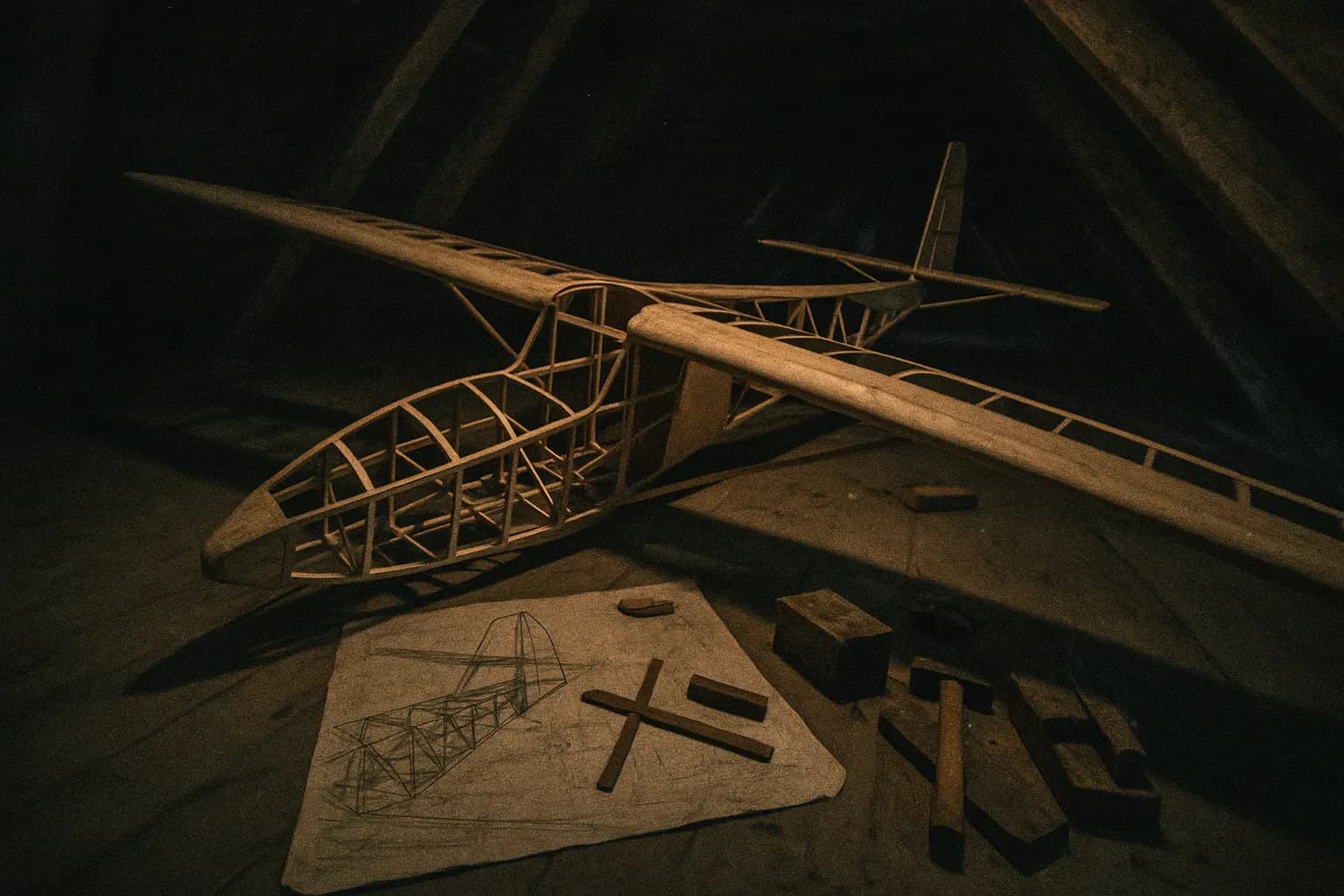
Colditz Castle: From Royal Residence to Escape-Proof POW Camp
Perched 400 feet above the Mulde River in eastern Saxony, Colditz Castle housed some of World War II's most determined escape artists. Between 1939 and 1945, over 130 prisoners attempted to flee the supposedly inescapable fortress, with dozens succeeding against overwhelming odds.
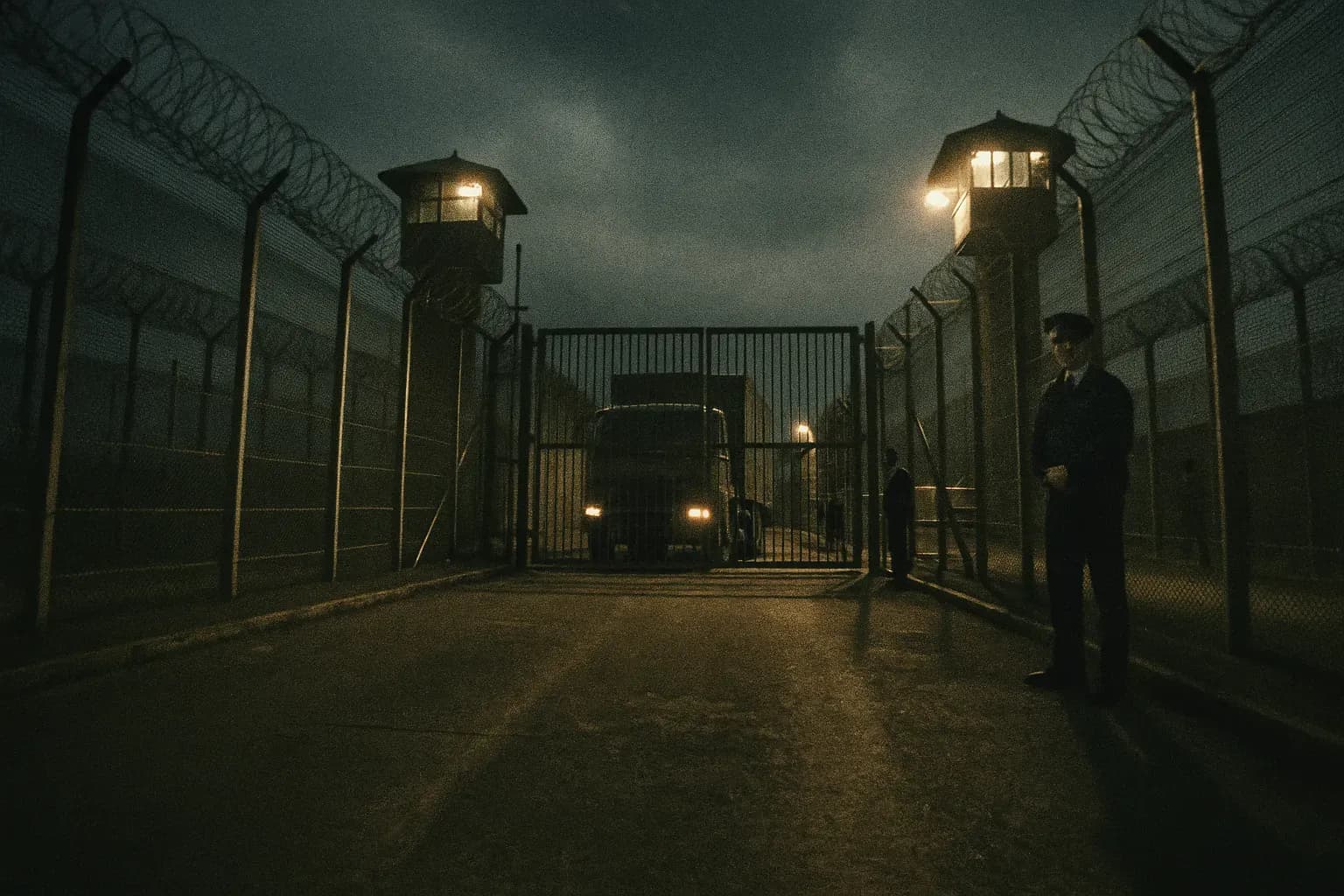
The Maze Prison Escape: Europe's Largest Jailbreak
On September 25, 1983, 38 Provisional IRA prisoners executed a coordinated escape from HM Prison Maze in Lisburn, Northern Ireland—the largest prison breakout in British and Irish history and the biggest in Europe since World War II.
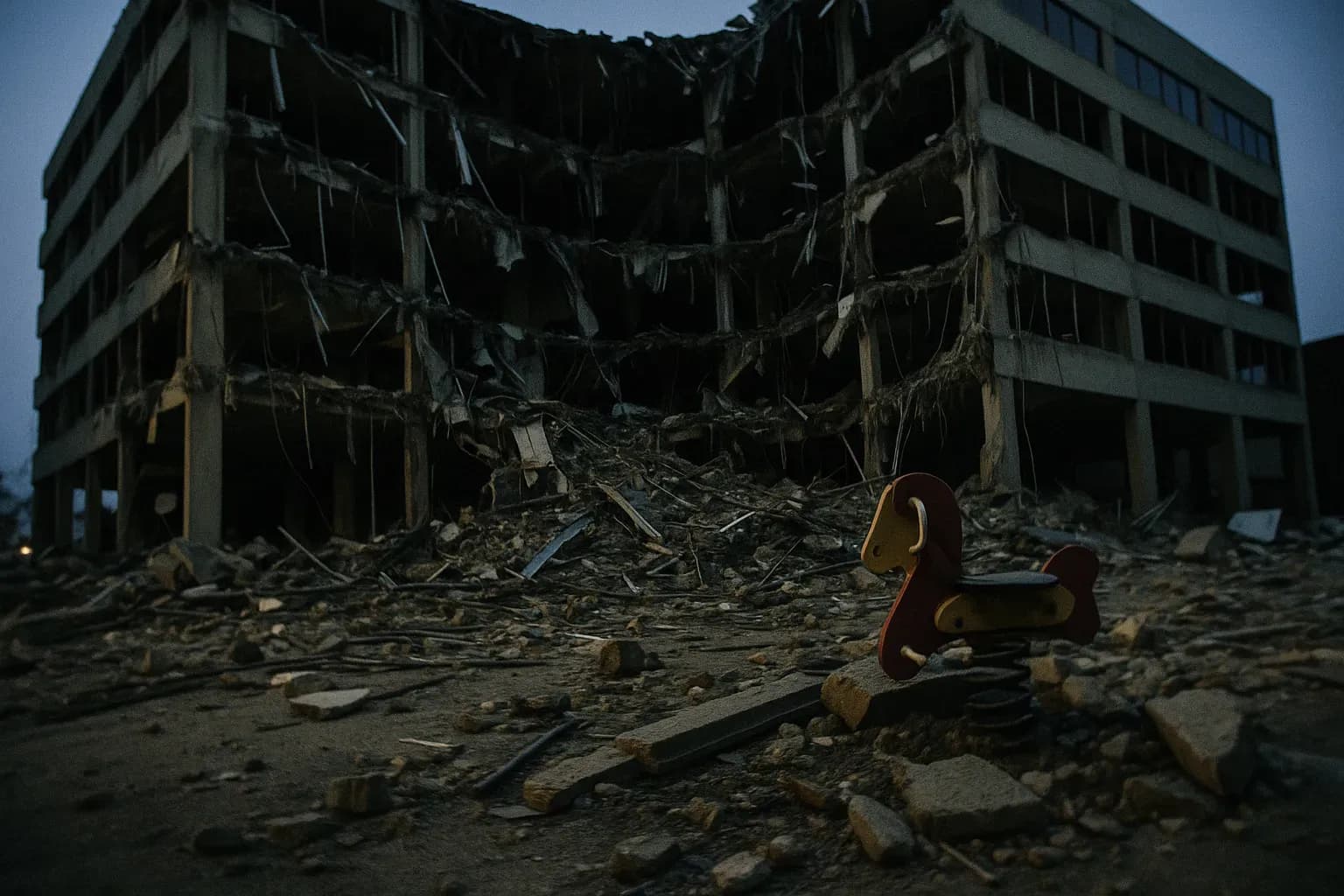
Oklahoma City Bombing: Timothy McVeigh's Deadly Revenge
On April 19, 1995, Timothy McVeigh detonated a truck bomb outside the Alfred P. Murrah Federal Building in Oklahoma City, killing 168 people including 19 children in the deadliest act of domestic terrorism in United States history.

The Pilot Disappearance That Baffled the World
Australian pilot Frederick Valentich disappeared on October 21, 1978, while flying his Cessna 182L over Bass Strait. His final radio transmission contained the chilling words: 'It's not an aircraft.'
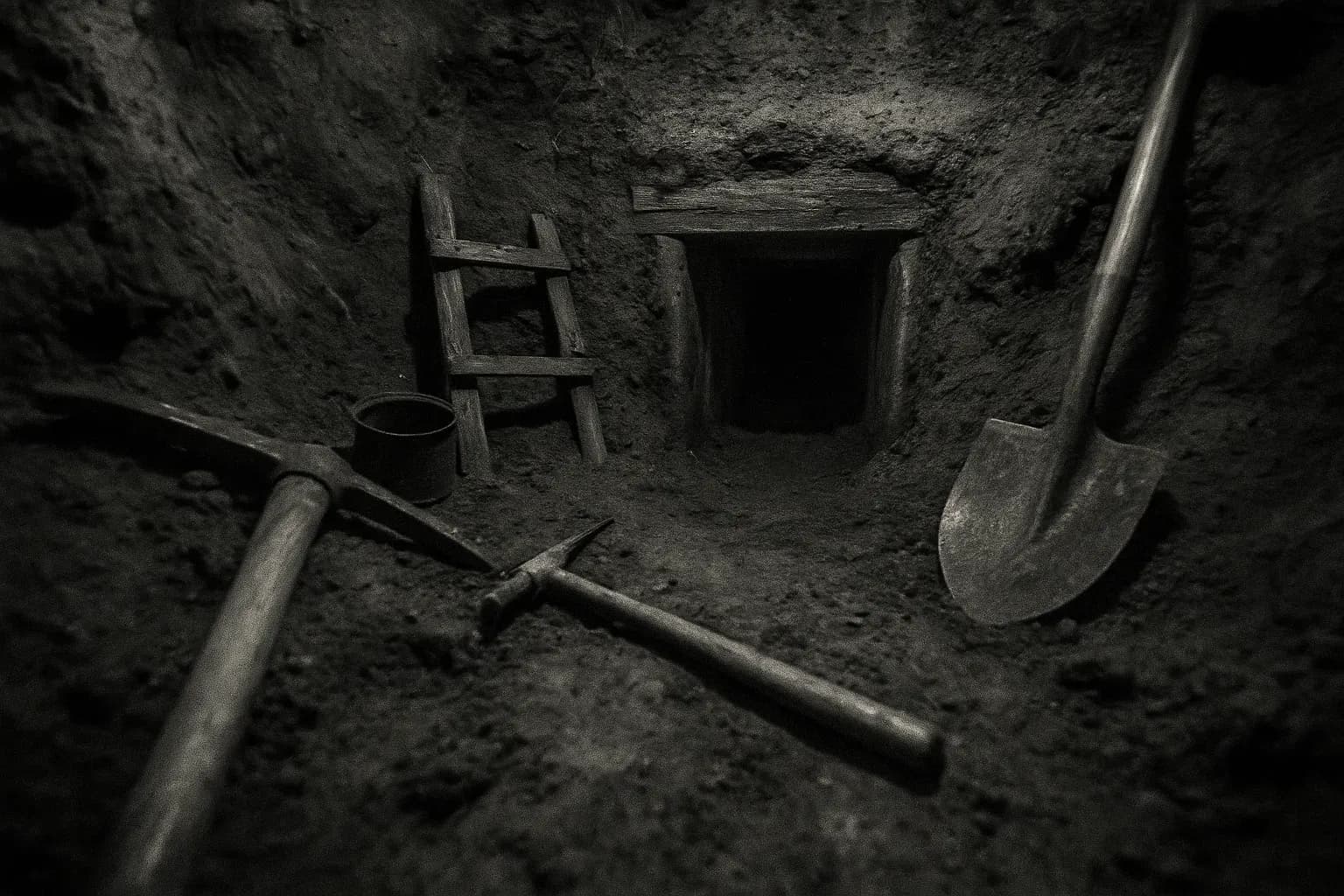
The Great Escape: 76 Men, One Tunnel, 50 Deaths
On March 24-25, 1944, 76 Allied airmen escaped through a tunnel from Stalag Luft III near Sagan, Poland. Only three reached freedom. The other 73 were recaptured, and 50 were murdered on Adolf Hitler's orders in one of WWII's lesser-known war crimes.
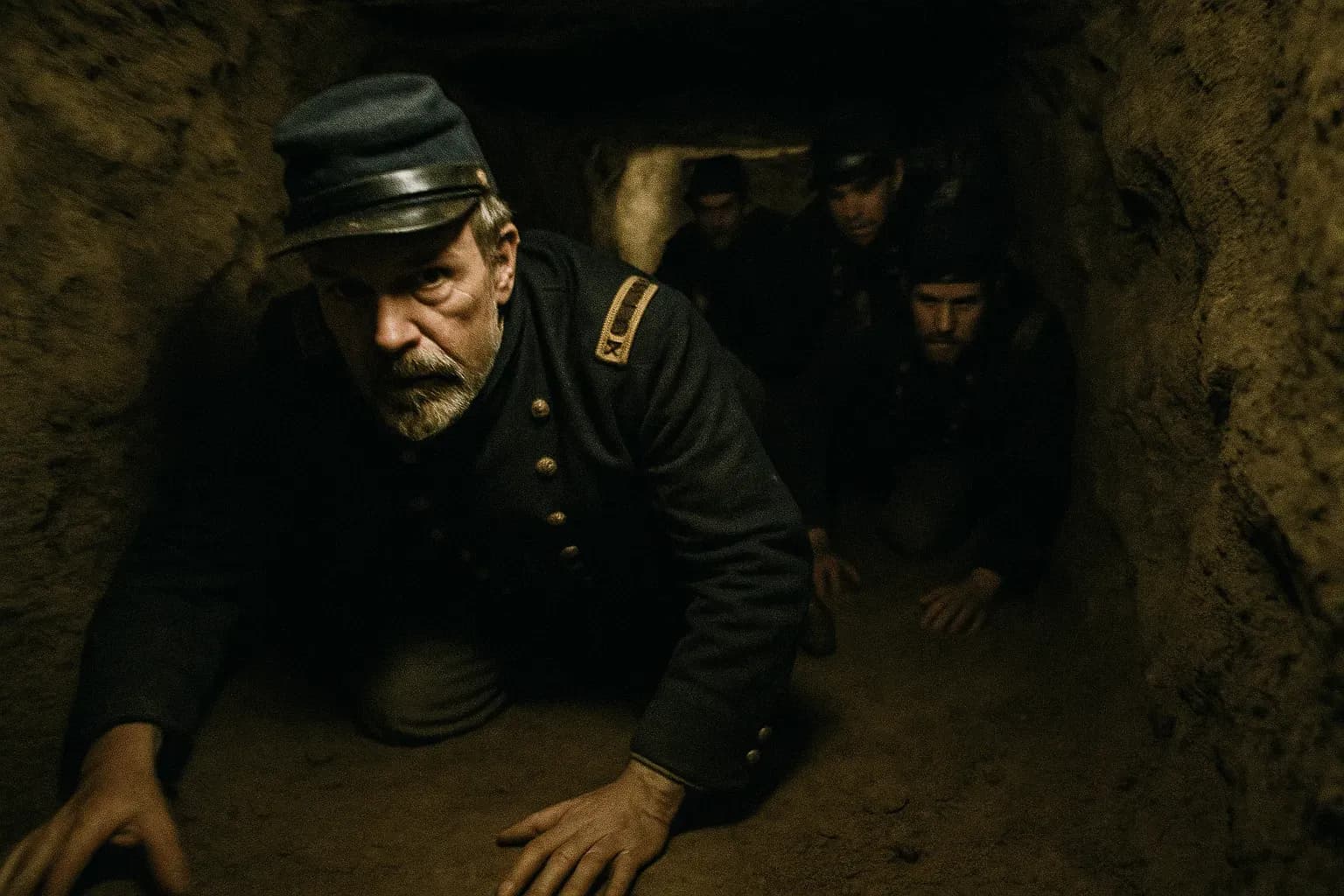
The Great Escape: Colonel Rose's Tunnel Out of Libby Prison
On February 9, 1864, Colonel Thomas E. Rose of the 77th Pennsylvania Infantry led one of the Civil War's most audacious prison escapes from Libby Prison in Richmond, Virginia. Working in secret for 17 days, Rose and fellow officers dug a narrow 50-60 foot tunnel from the dungeon-like basement to freedom—an feat so remarkable that 109 men followed them out.
In the Dark: How a Podcast Exposed Systemic Justice Failures
Since launching in September 2016, *In the Dark* has become one of the most consequential true crime podcasts, using meticulous investigative journalism to examine not the crimes themselves, but the systemic failures that allow injustice to persist. Now produced by *The New Yorker* and Condé Nast Entertainment, the series has prompted legislative reform and overturned convictions.

Generation Kill: Inside HBO's $56M War Miniseries
In July 2008, HBO premiered Generation Kill, a seven-part miniseries following Rolling Stone journalist Evan Wright's firsthand account of the U.S. Marine Corps' 1st Reconnaissance Battalion during the 2003 invasion of Iraq. Filmed across Southern Africa over six months, the series combined documentary authenticity with dramatic storytelling to examine the moral complexities of modern warfare.