Evidence of Evil
ITVX & Channel 5, 2018 — UK true crime anthology series on technology-solved crimes
What Is the Series About?
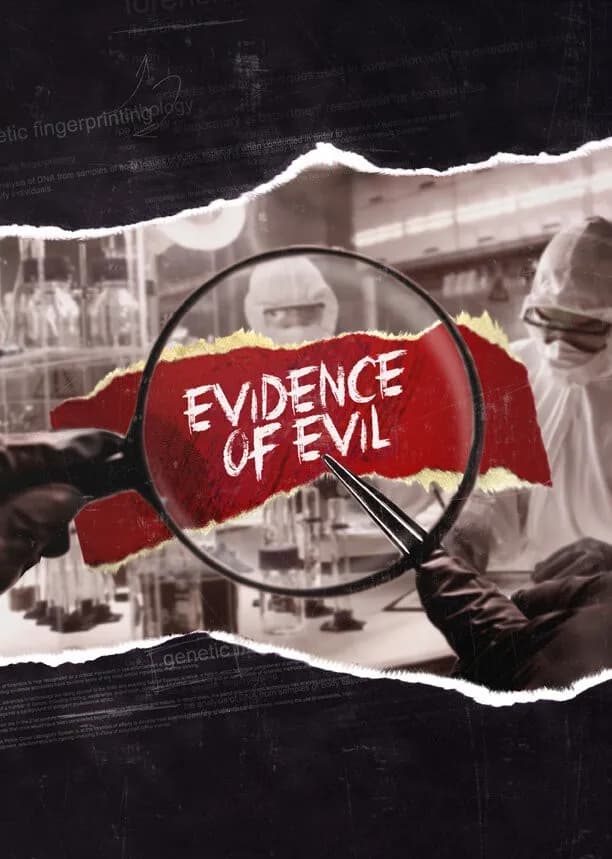
*Evidence of Evil* is a British true crime documentary anthology series that premiered on 5 September 2018 in the United Kingdom. Rather than following a single case across multiple episodes, the series takes a case-by-case format — each episode shining a spotlight on a different real criminal investigation in which technology played a pivotal or game-changing role. From DNA profiling and GPS tracking to digital forensics and social media evidence, the series demonstrates how modern and emerging technologies have transformed the way crimes are investigated and prosecuted in the 21st century.
The show is available to stream on ITVX, Channel 5, Samsung TV Plus, and Pluto TV, making it widely accessible to UK and international true crime audiences. As of the most recent available data, the series has produced at least 18 episodes, with production ongoing.
---
The Format and the Cases
Unlike many true crime series that dedicate an entire season to a single subject, Evidence of Evil operates as a standalone-episode anthology. Each instalment introduces a new victim, a new perpetrator, and a new investigative challenge — but the connective tissue throughout the series is always the role of technology in unlocking the truth.
The cases explored span roughly the past two decades of British and international criminal history, covering crimes that initially stumped investigators before a technological breakthrough changed everything. The types of technology featured across episodes include:
- Forensic DNA profiling, which has been used to identify suspects in cold cases dormant for decades
- Digital evidence such as Snapchat messages, GPS tracking data, and app-based location history
- CCTV and surveillance footage analysis
- Mobile phone cell data and metadata forensics
This focus sets Evidence of Evil apart from more traditional true crime documentaries and positions it as much as an exploration of forensic science and investigative technology as it is a retelling of individual crimes.
---
The Case of Janet Commins
The most explicitly documented case in the series is covered in Episode 18, titled "Unravelling the Murder of Janet Commins." Janet Commins was savagely murdered in Scotland, and her case remained unsolved for approximately 40 years — a cold case that haunted investigators and her community alike.
The breakthrough came decades after the original crime, when advances in DNA profiling finally allowed forensic scientists to identify the perpetrator. The episode illustrates precisely the kind of investigative transformation that defines the series as a whole: a case that the technology of its era could not solve, revisited and resolved by the forensic capabilities of a later generation.
While the specific date of the original crime, the identity of the convicted perpetrator, and the full details of the sentencing have not been publicly disclosed in available episode materials, the case stands as one of the most dramatic examples in the series of technology delivering justice after four decades of silence.
You can watch the Janet Commins episode and others on ITVX's Evidence of Evil series page.
---
Other Cases and Themes
Beyond the Janet Commins episode, Evidence of Evil covers a broad range of criminal cases that reflect the changing landscape of crime investigation in the digital age. While specific episode details for the full run of 18+ episodes are not comprehensively listed in publicly available sources, promotional descriptions and platform synopses confirm the series explores cases involving:
- GPS and location-tracking apps such as Life360, used to place suspects at crime scenes
- Social media evidence, including Snapchat messages that proved critical to convictions
- Cold case DNA breakthroughs, where forensic re-examination of decades-old evidence identified perpetrators
- Digital footprints left by perpetrators unaware of how thoroughly modern technology records human behaviour
The anthology structure means that viewers can engage with individual episodes based on their interest in a particular crime type or technology, rather than committing to a single long-form narrative.
---
Production
The series is a UK production and is presented with the authoritative guidance of Jackie Malton, a former officer of London's Metropolitan Police. Malton's background in real-world criminal investigation lends the series a layer of professional credibility, grounding its exploration of forensic technology in actual police procedure and investigative experience.
Jackie Malton revisits each case with the perspective of someone who understands both the limitations of pre-digital policing and the transformative impact that modern forensic tools have had on law enforcement. Her presence helps bridge the gap between the procedural realities of investigation and the dramatic storytelling that true crime audiences expect.
Full production credits, including individual directors for each episode, have not been publicly listed in available sources. The series is distributed across multiple platforms, reflecting a broad commissioning and licensing strategy aimed at reaching the widest possible UK audience.
Related content from the series' production landscape can be explored via YouTube previews and clips.
---
Reception
Evidence of Evil does not currently carry a publicly listed rating on IMDb, and it has not been the subject of widespread critical reviews in major publications. However, its continued production beyond 18 episodes and its availability across multiple major free streaming platforms — including ITVX, Channel 5, Samsung TV Plus, and Pluto TV — suggests a steady and loyal viewership within the UK true crime community.
The series is described in promotional materials as covering "startling criminal cases" with an emphasis on the transformative role of technology in resolving them. This positioning appeals directly to an audience interested not only in the human drama of crime and justice, but also in the science and innovation behind modern criminal investigation.
No significant controversies related to the series have been publicly reported.
---
The Cases Today
For cases like the murder of Janet Commins, the DNA-driven resolution represents the end of a decades-long search for justice — though the full legal outcomes, including sentencing details, remain outside publicly available episode summaries. For other cases featured in the series, the current status of perpetrators and ongoing legal proceedings varies by episode.
What Evidence of Evil ultimately documents is a larger, ongoing story: the steady march of forensic and digital technology into the heart of criminal justice, and the cold cases that continue to be reopened as new tools make the previously impossible suddenly achievable. As DNA databases expand, digital records accumulate, and investigative software grows more sophisticated, the kinds of breakthroughs celebrated in this series are likely to become even more frequent — and the series itself may continue to find new material for years to come.