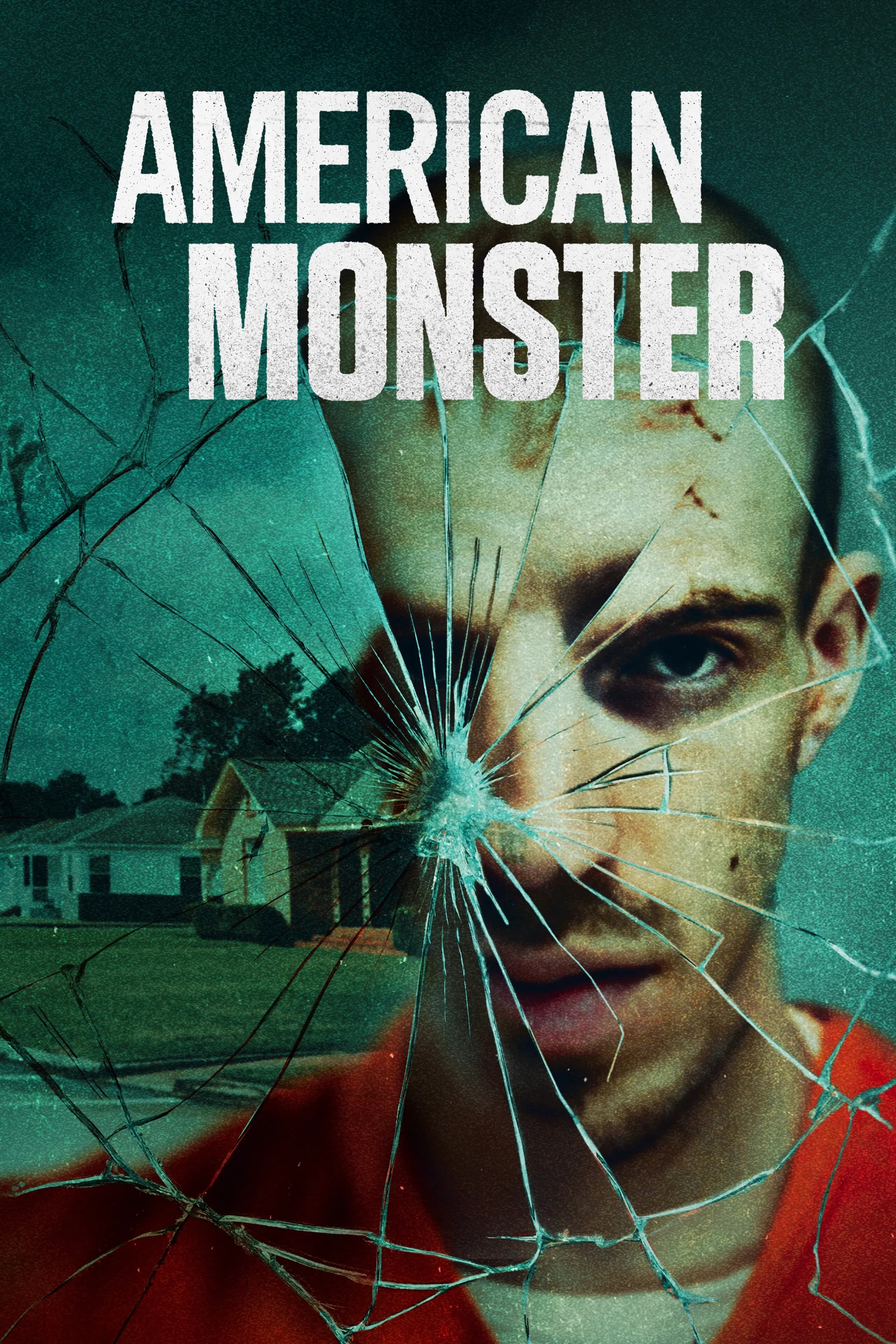
American Monster
The Roku Channel, 2016 — 13 seasons profiling killers hiding in plain sight across America
Quick facts
What Is American Monster?
American Monster is a non-fiction documentary anthology series that premiered on June 1, 2016, in the United States. Now spanning 13 seasons and 131 episodes, the series takes a forensic look at one of the most unsettling themes in true crime: the idea that murderers and predators are not lurking strangers but neighbors, spouses, parents, and colleagues — people hiding monstrous secrets behind the facade of ordinary American life.
The series is directed by Bill Thomas and is described officially as a "non-fiction crime drama uniquely telling stories with a combination of dramatisation, home video and documentary style material." It is available on The Roku Channel, as well as on Hulu, Tubi, and ID GO, making it one of the more widely distributed true crime documentary series currently streaming.
The Cases
Because American Monster is an anthology series, each episode profiles a distinct criminal case. The connecting thread across all 131 episodes is the same chilling premise: the perpetrators were not recognized as dangerous by those closest to them. They attended church, coached youth sports, attended neighborhood barbecues, and posed for family photographs — all while concealing violent crimes.
Season 1 — Hartford, Wisconsin
The series opens with a case set in Hartford, Wisconsin, where a teenager was murdered by someone operating entirely within the fabric of everyday community life. The episode uses home video footage and eyewitness interviews to reconstruct how investigators pieced together the truth behind a seemingly normal exterior. The footage — much of it captured by the perpetrator's own family — provides the series with its most distinctive and disturbing quality: the killers are visible in the record, smiling, celebrating, living.
Season 12 — "Tempest": A Controlling Marriage
One of the most discussed episodes in recent seasons is "Tempest," featured in Season 12. The case centers on a controlling and abusive marriage that escalated to violence. The episode illustrates how domestic abuse can be rendered invisible to outsiders — friends, family, and even law enforcement — until it reaches a fatal breaking point. Investigation Discovery has highlighted this episode as representative of the series' broader mission: exposing the dangerous gap between public perception and private reality.
Format and Production
Director Bill Thomas built American Monster around a format that distinguishes it from standard true crime talking-head documentaries. The series integrates three layers of storytelling:
1. Home video footage — often sourced from the perpetrators' own families, showing the accused at birthdays, holidays, and everyday moments before the crime.
2. Dramatization — recreating key scenes, particularly crimes and confrontations, to fill narrative gaps where no footage exists.
3. Documentary interviews — survivors, investigators, family members, and legal professionals speak directly to camera.
This combination creates an unsettling cognitive dissonance for viewers: watching someone laugh at a family cookout while knowing what they later did. The series has been praised by true crime audiences precisely for this technique, which forces a reckoning with how poorly we read the people around us.
The series is registered on IMDb under the identifier tt5784958, and production has continued at pace since 2016, with new seasons released regularly through Investigation Discovery's content pipeline.
Reception
American Monster has built a loyal and sustained audience over its 13-season run. Viewer reactions consistently emphasize the impact of the "never-before-seen footage" element — the home videos that make the hidden lives of perpetrators viscerally real. The series has attracted significant engagement on social platforms, including Investigation Discovery's TikTok channel, where clips from episodes regularly generate hundreds of thousands of views.
Critically, the series occupies a well-worn but effective space in the true crime genre. It does not reinvent documentary filmmaking, but its anthology format and use of authentic home video give it a documentary authenticity that distinguishes it from purely dramatized true crime fare. No major controversies regarding the series' production methods or editorial choices have been reported in publicly available sources.
An IMDb rating for the series as a whole is not publicly listed in a consolidated form, which is common for long-running documentary anthology series where individual episode ratings vary significantly based on the notoriety of each case.
The Series Today
As of its 13th season, American Monster shows no signs of exhausting its subject matter — a reflection both of the series' broad scope and, more soberly, of the continuing reality of violent crime committed by people unknown to their communities as dangerous. The series remains available across multiple platforms, ensuring that the cases it profiles continue to reach new audiences.
For viewers seeking entry points, the Investigation Discovery website hosts full episodes including the "Tempest" episode from Season 12, while the complete series library is accessible on Hulu and The Roku Channel.
American Monster endures because its central argument is both simple and deeply uncomfortable: monsters do not look like monsters. They look like us.