The Murder of Rachel Nickell
Netflix documentary (2026) covering the 1992 Wimbledon Common stabbing and the flawed investigation that followed
Quick facts
What Is the Series About?
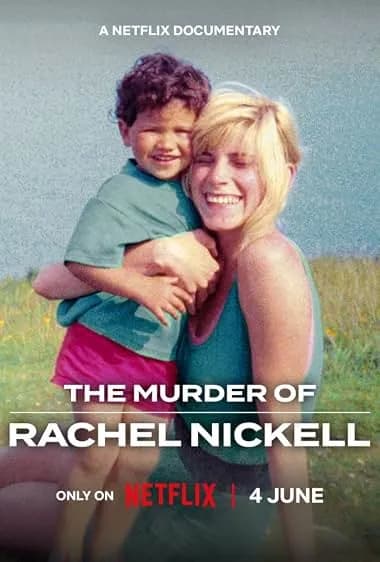
The Murder of Rachel Nickell is a Netflix feature documentary directed by Lucy Bowden that examines one of the most shocking and mishandled murder investigations in British criminal history. The film centres on the 1992 killing of 23-year-old Rachel Nickell on Wimbledon Common in south London, the years-long investigation that destroyed an innocent man's life, and the DNA breakthrough that finally identified the real killer more than a decade and a half later. Released on 4 June 2026, the documentary arrived alongside the Netflix three-part drama The Witness, reigniting public debate about police accountability, forensic science, and the cost of tunnel vision in criminal investigations.
The Case
On the morning of 15 July 1992, Rachel Nickell — a 23-year-old mother described by those who knew her as warm, vibrant, and devoted to her family — set out for a walk on Wimbledon Common with her two-year-old son Alex and the family dog. What followed was an act of savage, apparently random violence. Rachel was stabbed multiple times and killed in broad daylight. Alex, too young to fully comprehend what he had witnessed, was found clinging to his mother's body. He was the only witness.
The case sent shockwaves through Britain. Wimbledon Common was a busy, well-known green space used daily by families, joggers, and dog walkers. The apparent randomness of the attack and the presence of a toddler at the scene made it uniquely horrifying. The Metropolitan Police came under immediate and intense pressure to find a suspect.
That pressure produced one of the most controversial and widely condemned investigations in the history of British policing. Detectives quickly focused on Colin Stagg, a local man who used Wimbledon Common as part of his daily routine. Despite a lack of physical evidence connecting him to the crime, police launched a covert undercover operation — later described in the press and by legal experts as a 'honeytrap' — in which an officer posing as a woman attempted to build a romantic relationship with Stagg and draw incriminating statements from him.
The operation failed on every legal and ethical level. When the case came to trial in 1994, the judge halted proceedings and condemned the police tactics as an attempt to manufacture evidence. Colin Stagg was acquitted. He had spent years under suspicion, subjected to media vilification and public harassment, for a crime he did not commit.
Meanwhile, the true killer remained free. Robert Napper — a British serial rapist and murderer already known to police — had committed a further atrocity in 1993, murdering Samantha Bisset and her young daughter. Napper was convicted for those killings and placed under indefinite detention via a hospital order in a secure psychiatric facility. But his connection to Rachel Nickell's murder remained unproven for years.
The breakthrough came through advances in forensic DNA analysis. As detailed in coverage of the documentary, DNA evidence eventually and conclusively linked Napper to the Wimbledon Common murder, closing the case and providing a measure of justice — however delayed — for Rachel Nickell's family. Napper remains detained in secure psychiatric custody in the United Kingdom. Colin Stagg received a public apology and compensation from the Metropolitan Police.
The entire arc — from murder to wrongful focus to DNA exoneration — stretched across sixteen years, and it is this arc that the documentary traces in full.
Production
The documentary was directed by Lucy Bowden, whose approach draws on archival news footage, reconstructed timelines, and — according to coverage surrounding the release — interviews that illuminate both the human cost of the investigation and the institutional failures that allowed it to persist for so long. Netflix describes the film as examining the yearslong investigation into the killing, with particular attention to the methods used by police and the impact on those caught in the investigation's crosshairs.
The decision to release the documentary simultaneously with The Witness, a scripted three-part drama also available on Netflix, was clearly a deliberate editorial choice. Together, the two productions offer both a factual account and a dramatised perspective on the same case, giving audiences multiple entry points into a story that remains deeply resonant in British cultural memory. BBC coverage noted that the joint release was designed to reframe public understanding of the Nickell case in light of what is now known about Napper's guilt and Stagg's innocence.
Reception
Critical and viewer reaction to The Murder of Rachel Nickell has emphasised the documentary's emotional weight and unflinching treatment of difficult material. Reviewers have described it as gripping and, at times, brutal in its honesty — particularly given that the crime was witnessed by a two-year-old child and that the subsequent investigation caused additional suffering to an innocent man and his family.
The major controversy revisited by the documentary — the honeytrap operation against Colin Stagg and the years of wrongful suspicion — has resonated strongly with audiences in 2026, a period of renewed scrutiny of police conduct in the United Kingdom. Coverage in The National highlighted viewer reaction to the police mishandling, with many finding it difficult to reconcile the scale of the institutional failure with the relatively limited accountability that followed.
The release also drew attention to the ongoing trauma experienced by Rachel Nickell's family, and to the life of Alex — the toddler who witnessed his mother's murder — who has spoken publicly about the case as an adult. No verified IMDb rating for the documentary was available at the time of publication.
The Case Today
Robert Napper remains detained indefinitely in a secure psychiatric facility in the United Kingdom, with no prospect of release reported in current coverage. Colin Stagg, who has spoken and written about his ordeal, is publicly recognised as one of the most prominent victims of wrongful police targeting in modern British history. The Metropolitan Police's conduct in the case has been used as a reference point in debates about undercover policing, investigative ethics, and the risks of confirmation bias in major crime investigations.
Rachel Nickell's son Alex — who was two years old on the day his mother was killed — has grown up in the shadow of that morning on Wimbledon Common. His existence, and the trauma he carries as the sole witness, gives the story a human dimension that no amount of procedural analysis can fully contain. The documentary, and the drama released alongside it, ensure that Rachel Nickell's name and story remain part of the public record — a reminder of what was lost, and of how badly the systems meant to deliver justice can fail.