Accused
The critical legal step from suspicion to potential prosecution
Definition
What does it mean to be accused? Understand the shift from suspect, the process towards trial, and the immense pressure when the state formally files charges in true crime cases.
The critical legal step from suspicion to potential prosecution
From suspicion to charges: What does being accused mean?
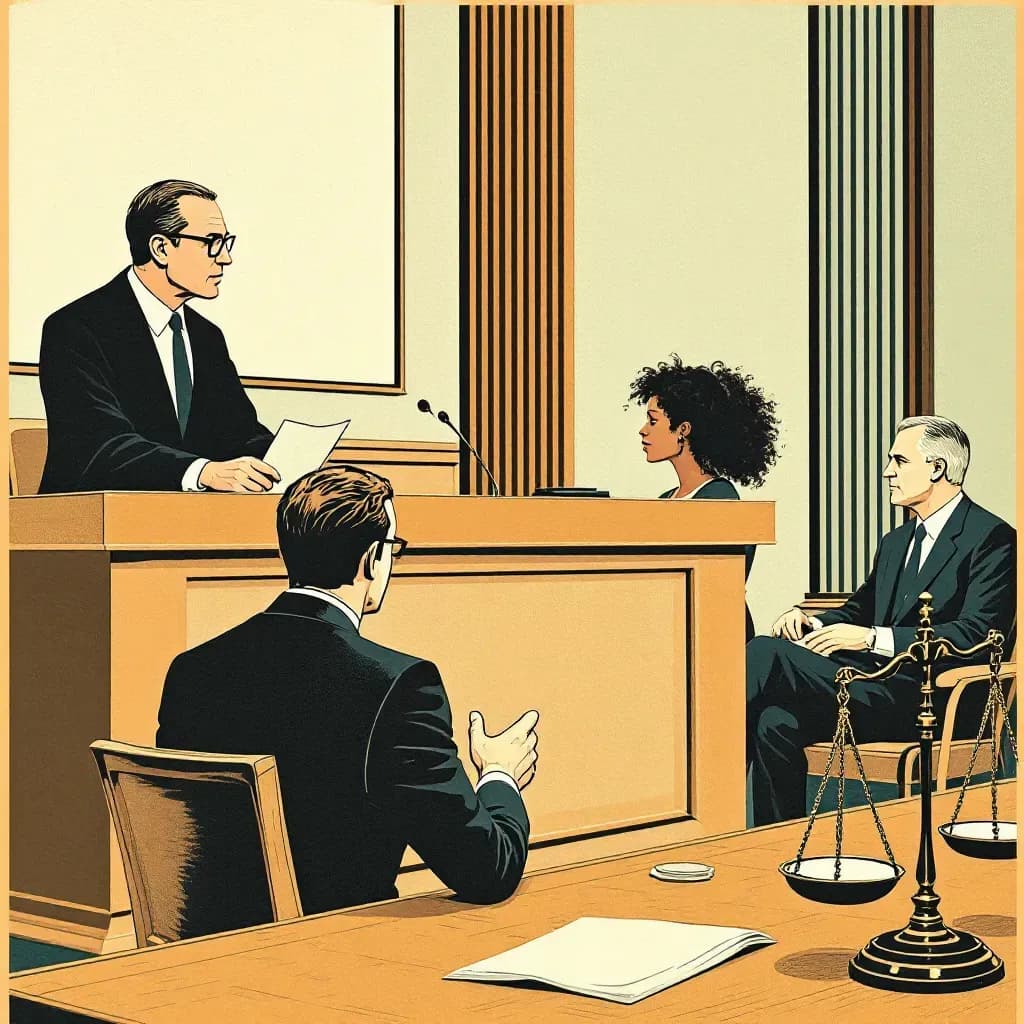
Being accused is a pivotal legal stage, often highlighted in true crime, where an individual is formally charged by authorities with a specific criminal act. This marks a crucial shift from merely being suspected to facing potential prosecution. The formal charge, typically presented as an indictment, results from the police investigation and the prosecution's assessment that sufficient evidence exists to bring a case before the courts. From this moment, the pressure on the accused intensifies significantly; public and media attention focuses on them, and the presumption of innocence—a fundamental legal principle—can come under considerable strain.
The accused's path: Rights, evidence, and courtroom drama
The transition from suspect to accused signifies that the case is now officially within the formal framework of the justice system. The accused gains the right to a defense attorney, and an extensive process involving evidence presentation, witness testimonies, and legal arguments begins, culminating in an actual trial. For those who follow true crime cases, it is often during this phase that the case's details truly unfold in a courtroom, where the prosecutor's and defense attorney's strategies collide. It is also here that the complexity of proving guilt beyond a reasonable doubt becomes apparent, as do the human costs of both the crime and the subsequent legal proceedings. Technical evidence, potentially including forensic science results, can play a decisive role in this process.
Why accusations are key: Understanding true crime cases
Understanding what it means to be accused is therefore essential for correctly following and analyzing true crime cases. It underscores that an accusation is not synonymous with a conviction but is rather the beginning of a process designed to uncover the truth and ensure justice. The accusation itself represents the state's serious allegation of a citizen's criminal act, and its handling is a cornerstone of a society governed by the rule of law, balancing the need to punish the guilty with protecting the innocent from wrongful prosecution.
What does the status of 'Accused' look like in practice? Explore cases with complex evidence presentations and crucial courtroom showdowns. Read our harrowing cases on the subject below.
Related entries
Related articles

How a 13-Year Investigation Brought Down Bill Cosby
A Los Angeles Times podcast series documents investigative journalist Nicki Weisensee Egan's 13-year pursuit to hold Bill Cosby accountable. From the first allegation in 2005 to his 2018 conviction, 'Chasing Cosby' reveals how institutional silence protected one of America's most beloved entertainers.

Accused: Inside the Podcast Exposing Wrongful Convictions
Amber Hunt and Amanda Rossmann, a reporter and photographer from the Cincinnati Enquirer, created Accused, a true crime investigative podcast that reopens cases of potential wrongful conviction. Across multiple seasons, the duo has uncovered evidence of police misconduct, withheld documents, and flawed investigations that sent innocent people to prison.