49 Pulses
Amazon Prime & Apple TV, 2017 — the Pulse nightclub mass shooting, Orlando, June 2016
Quick facts
What Is 49 Pulses About?
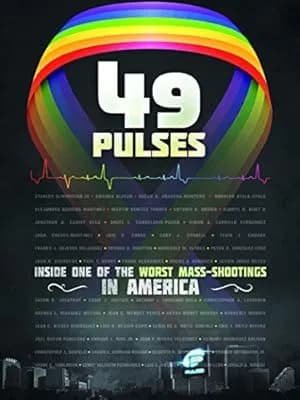
49 Pulses is a feature-length documentary film directed by Charlie Minn that covers the Pulse nightclub mass shooting in Orlando, Florida — one of the deadliest and most traumatic terrorist attacks ever carried out on American soil. Released in the United States on September 22, 2017, the film runs approximately 83 minutes and is available to stream on Amazon Prime Video and the Apple TV Store. Its title refers directly to the 49 lives lost that night.
Unlike many true-crime productions that center the perpetrator's psychology and biography, Minn made a deliberate editorial choice to minimize the shooter's presence in the film. Instead, 49 Pulses centers survivors, first responders, and the families of victims, framing the documentary as a tribute and a record of human resilience rather than an exercise in notoriety for a mass killer.
---
The Case
In the early hours of Sunday, June 12, 2016, Omar Mir Seddique Mateen — commonly known as Omar Mateen — entered Pulse, a well-known gay nightclub in Orlando, Florida, and opened fire on the crowd inside. The attack killed 49 people and wounded more than 50 others, making it the deadliest mass shooting in United States history at the time. The attack was classified as both a hate crime and an act of terrorism, targeting the LGBTQ community during Latin Night at the club.
Mateen called 911 during the attack and pledged allegiance to the Islamic State, though investigators later found the picture of his motivations to be complex and contested. What is not in dispute is the scale of the carnage he inflicted.
Law enforcement's response became its own subject of intense scrutiny. A standoff between Mateen and police lasted 192 minutes — more than three hours — during which time some wounded victims remained inside the building. The film examines this timeline in detail, asking hard questions about why it took so long for the siege to end. Mateen was ultimately shot and killed by police when they breached the building, meaning he was never charged, tried, or sentenced for his crimes. There was no criminal trial.
Among those who appear in the documentary are survivors and family members including Mayra Alvear, Carmen Capo, and Patience Carter, whose accounts form the emotional core of the film alongside police body-camera footage and recordings of 911 calls made from inside the nightclub.
---
Production
Director Charlie Minn is a documentary filmmaker who has built a body of work around mass-casualty events in the United States. His approach to 49 Pulses was shaped by a conscious ethical framework: he told reporters that he chose not to name the killer repeatedly or give him undue screen time, a stance that has become a recurring point of discussion in journalism and documentary circles around how to cover mass shootings without amplifying the perpetrators.
The film draws on a range of primary materials, including survivor interviews conducted after the attack, police body-camera footage from the night of June 12, re-enactments, and the 911 calls that documented the chaos inside Pulse in real time. This combination of firsthand testimony and audio-visual evidence gives the documentary an immediacy that distinguishes it from more distanced journalistic reconstructions of the event.
Minn re-released the film in June 2021 to coincide with the fifth anniversary of the shooting, ensuring it remained accessible to new audiences as the national conversation around gun violence, hate crimes, and LGBTQ rights continued to evolve.
---
Reception
49 Pulses holds an IMDb listing under title ID tt6880996, though a verified aggregate rating is not publicly confirmed in available sources. Viewer commentary on IMDb describes it as "a rather depressing documentary" focused on the loss of forty-nine lives — a characterization that reflects the film's unflinching emotional weight rather than any criticism of its craft.
On Rotten Tomatoes, the film is listed with a streaming release date of March 30, 2018, though no verified critic or audience score is available from current sources. The streaming platform Revry describes the film as "a poignant and powerful tribute" to the victims, a framing echoed in much of the promotional and editorial copy surrounding the documentary. That language — tribute rather than investigation — captures how the film positions itself and how audiences and critics have largely received it.
The filmmaker's decision to avoid naming the shooter has drawn notable attention in media coverage. Local and national reporters highlighted this choice as a meaningful editorial stance, and it aligns 49 Pulses with a broader movement among journalists and public officials — including some law enforcement agencies — who argue that withholding perpetrator names from prominent coverage reduces the incentive for copycat attacks.
---
The Case Today
Because Omar Mateen died at the scene on June 12, 2016, there was no criminal prosecution and no trial. The legal aftermath of the Pulse attack played out instead through civil litigation and through a federal prosecution of his wife, Noor Salman, who was charged with aiding and abetting and obstruction of justice. Salman was acquitted by a jury in March 2018.
The site of the Pulse nightclub has since been designated as a memorial. The onePULSE Foundation was established to create a permanent national memorial and museum to honor the 49 victims, and the location remains a place of mourning and remembrance for the LGBTQ community and for Orlando residents.
The Pulse shooting continued to reverberate through American political life, intensifying debates over gun control, LGBTQ protections, and counterterrorism policy. In 2022, Congress passed the Bipartisan Safer Communities Act, the most significant federal gun legislation in nearly three decades — a development that advocates directly linked to the accumulated pressure of mass-shooting tragedies including Pulse.
49 Pulses remains one of the primary documentary records of the attack, and its availability on major streaming platforms ensures that the testimony of survivors and the names of victims continue to reach new audiences years after the night that changed Orlando forever.