fire
Understanding arson, the hidden motives, and the catastrophic consequences
Definition
Arson: A feared weapon in crime's arsenal. Explore the motives behind it, from fraud to murder, and the catastrophic consequences of the flames.
Understanding arson, the hidden motives, and the catastrophic consequences
Why is arson such a feared criminal tool worldwide?
Arson, in the context of true crime, refers to the deliberate and illegal act of setting fire. This type of criminal act often aims to destroy property, harm individuals, or conceal evidence of other crimes. As a crime, arson extends far beyond the immediate destruction caused by the flames. The motive behind an intentionally set fire can vary widely, from financially motivated insurance fraud and personal revenge to psychological terror or a desperate attempt to eliminate evidence of another serious crime, such as murder. The destructive nature of fire makes it a particularly terrifying and dangerous criminal tool.
Arson: An investigator's nightmare to solve?
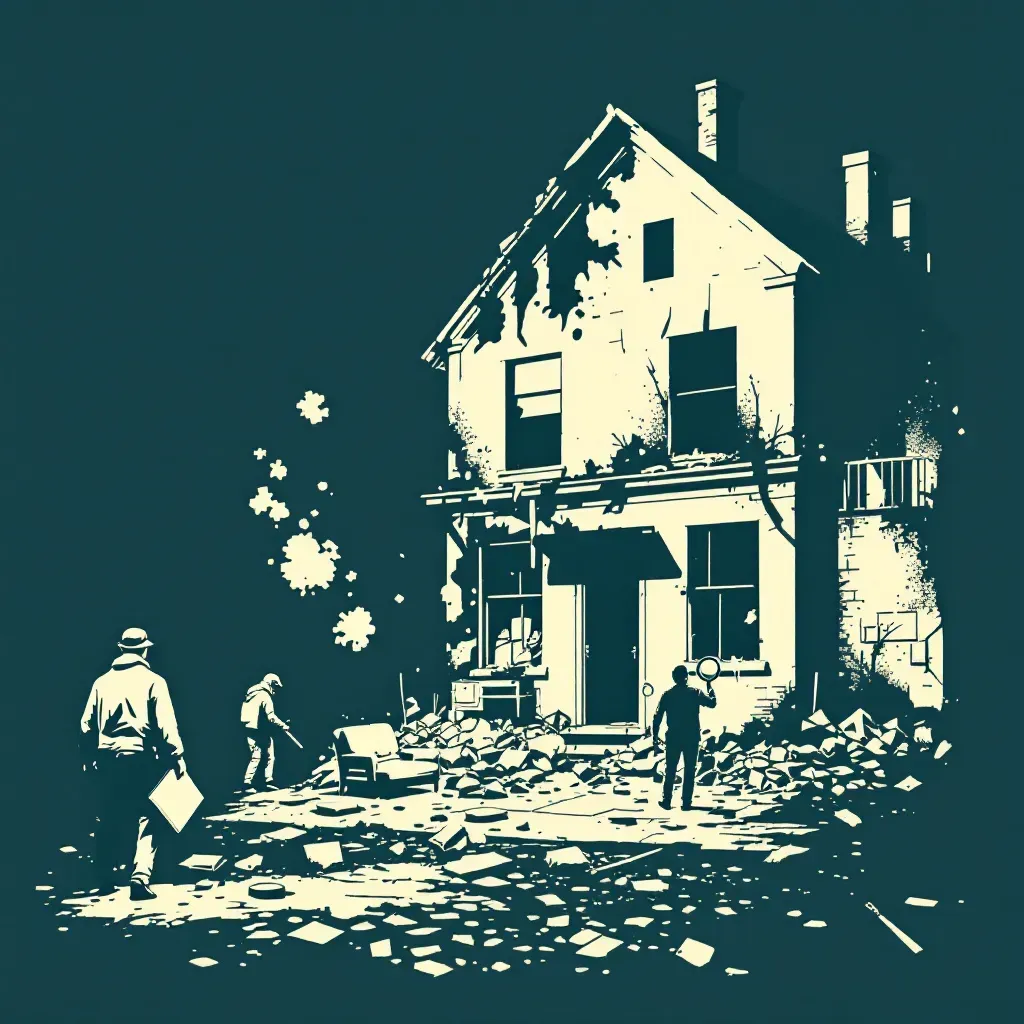
The investigation of a suspicious fire, or potential arson, is typically an extremely complex process. Here, technical fire investigators must meticulously analyze an often severely damaged crime scene to identify the fire's origin and precise cause among the soot-blackened remains. The challenge is significant, as fire can effectively destroy crucial evidence, complicating the distinction between an accident and a deliberately set fire. Perpetrators of arson exploit this destructive effect, either to maximize damage or to hinder the investigation of their primary crime. The spectrum of fire-related crime is broad, ranging from impulsive acts of vandalism to meticulously planned arsons aimed at securing insurance payouts.
Arson's impact: Catastrophic for victims and society
The human and societal consequences of arson can be catastrophic. These include the risk of loss of life, serious physical injuries, and deep psychological trauma for victims and their relatives, as well as massive economic losses. A thorough understanding of arson as a criminal phenomenon is therefore essential within true crime. It highlights a type of crime that not only requires specialized investigative expertise and advanced fire technical analysis but also reveals the perpetrators' potential motives, whether calculated malice, financial gain, or desperate acts. The continuous development in fire technical analysis and investigative methods is crucial in the efforts to prosecute the perpetrators behind these often complex and difficult-to-solve cases.
Are you drawn to the dark secrets of the flames? Explore cases of arson, from cold-blooded insurance fraud to desperate attempts to conceal murder. Find our in-depth cases below.
Read more
Related articles

Five Children Vanished After Mysterious Christmas Fire in 1945
On Christmas morning 1945, fire broke out at the Sodder family home in Fayetteville, West Virginia. Five children vanished without a trace, their remains never found — and despite an official ruling of accident, the family always suspected arson.

Inside Danish Justice: The Nordic True Crime Series Breaking New Ground
Denmark's Station 2 documentary series offers viewers an unprecedented look into Scandinavian criminal investigations, from organized crime to the internationally infamous submarine murder case. Streaming on TV 2 Play, the series grants rare access to police operations and psychiatric forensic wards across one of Europe's most transparent justice systems.

Scandinavian Star: The Documentary That Reopened a Tragedy
On the night of April 7, 1990, fire swept through the MS Scandinavian Star as it sailed between Norway and Denmark, killing 159 people in one of Scandinavia's worst maritime disasters. Three decades later, a documentary series is challenging the official narrative.