Museum
When cultural heritage becomes a target for daring heists and organized crime

Definition
Priceless artworks and daring heists. Museums are not just cultural treasures, but also high-profile targets for criminals. Understand why here.
When cultural heritage becomes a target for daring heists and organized crime
Museum crime scene: Cultural heritage as a target
In true crime, a museum often represents far more than just an institution for cultural or historical objects; it stands out as an obvious and often high-profile target for criminals, especially in connection with daring thefts of priceless artworks and artifacts. These institutions, created to preserve and exhibit humanity's shared heritage, paradoxically become crime scenes for offenses that not only threaten this heritage but also put existing security measures and complex investigative methods under pressure due to the enormous and unique values involved.
Planned heists to forgery: Crime hits museums
Crime targeting museums covers a broad spectrum, from meticulously planned heists – often carried out by organized criminal networks with in-depth knowledge of both the art world and advanced security systems – to more spontaneous break-ins and internal thefts committed by employees. Another significant form of crime closely associated with the museum world is the forgery of art and historical objects, designed to deceive collectors or the institutions themselves. The subsequent investigation of these cases, including many high-profile art theft cases, is typically extremely complex and often international. This is because stolen cultural treasures can quickly be channeled onto a global black market, placing great demands on specialized expertise in tracking, recovery, and dealing with perpetrators, whose motives can range from pure profit to ideological reasons.
Relevance of museum crime: Vulnerability and conflicts
Understanding the museum as a potential crime scene and center for criminal activity is essential for anyone involved in true crime. Cases of art theft and other museum-related crimes are often high-profile, revealing not only the perpetrators' advanced methods and audacity but also critical vulnerabilities in the protection of our shared cultural heritage. These cases raise fundamental questions about security, ownership, and the ongoing battle against the illegal black market, which threatens to remove irreplaceable historical evidence from public access. The relevance of crimes against museums within true crime underscores the constant balance between public accessibility and the necessity of preserving these valuable collections for posterity.
What do museum heists look like in practice? Explore cases of daring art thefts and complex investigations. Delve into real-life Museum cases – find our exciting cases below.
Read more
America's $500M Art Heist Remains Unsolved After 36 Years
On March 18, 1990, two men posing as police officers executed what the FBI calls history's largest known art theft at Boston's Isabella Stewart Gardner Museum. Thirteen masterpieces worth approximately $500 million vanished in a single night—and have never been recovered.
Van Gogh's Poppy Flowers Stolen Twice From Cairo Museum
A Vincent van Gogh painting worth an estimated $50–55 million vanished from Cairo's Mahmoud Khalil Museum on August 21, 2010, cut from its frame in broad daylight. It was the second time the work had been stolen from the institution—and this time, it has never been recovered.
The Italian Painter Who Stole the Mona Lisa
On August 21, 1911, Vincenzo Peruggia, an Italian house painter working in Paris, removed the Mona Lisa from the Louvre Museum and smuggled it out under his worker's smock. His theft—motivated by a belief that the painting belonged in Italy—remained undetected for two years, until his own attempt to return it led to his arrest and the painting's triumphant recovery.
Related articles
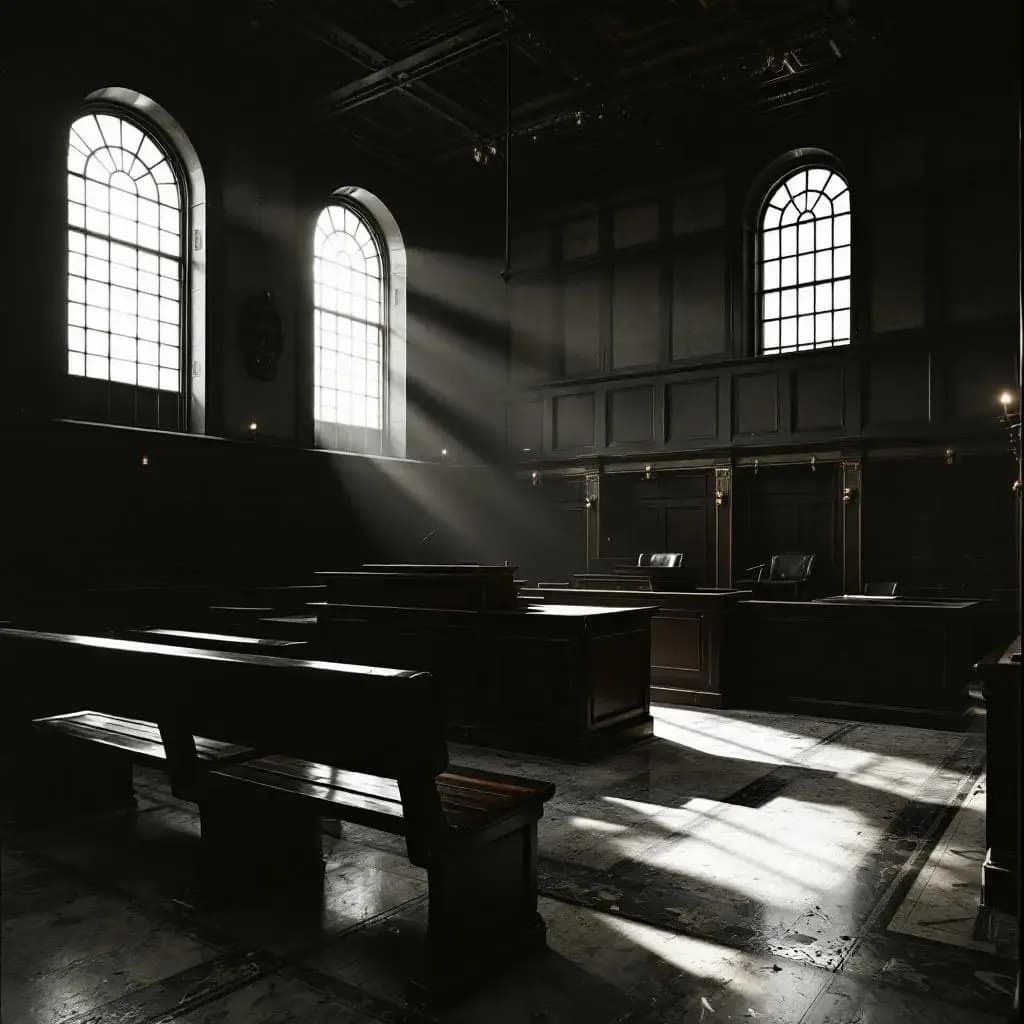
Mob Museum and True Crime Tours in Las Vegas — Sin City's Dark Side
Las Vegas built its glittering reputation on mob money. These two experiences put you face to face with the organised crime history behind the neon.
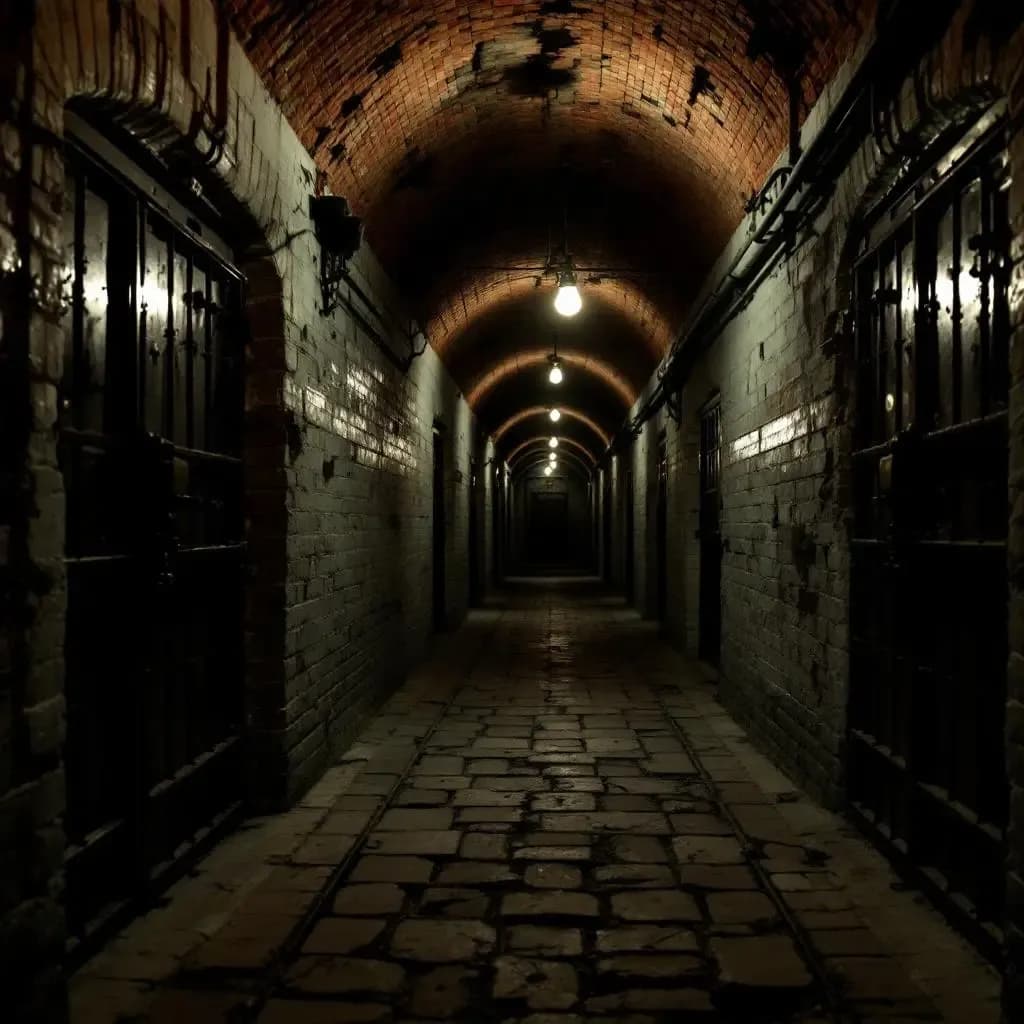
Budapest's House of Terror: Cold War Crimes on Andrássy út
At 60 Andrássy út, Budapest, the House of Terror museum preserves the cells, torture chambers and gallows where two dictatorships destroyed lives.

New Book Exposes the Gray Zones of Criminal Investigation
A new book on police operations and the pursuit of criminals sheds light on the complex gray zones that define investigative work, covering topics such as art theft, unsolved cases, and hijacking.
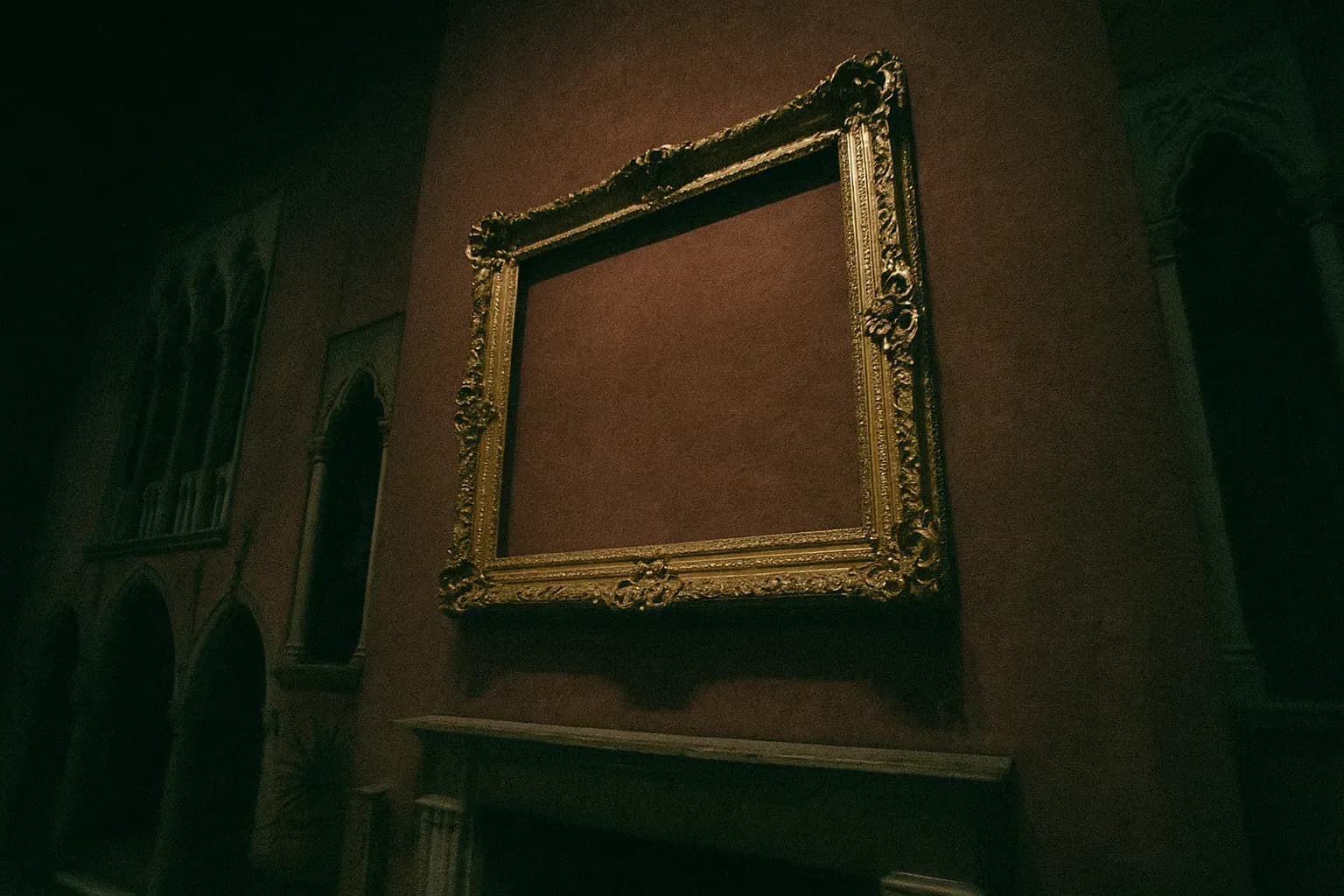
America's $500M Art Heist Remains Unsolved After 36 Years
On March 18, 1990, two men posing as police officers executed what the FBI calls history's largest known art theft at Boston's Isabella Stewart Gardner Museum. Thirteen masterpieces worth approximately $500 million vanished in a single night—and have never been recovered.

Van Gogh's Poppy Flowers Stolen Twice From Cairo Museum
A Vincent van Gogh painting worth an estimated $50–55 million vanished from Cairo's Mahmoud Khalil Museum on August 21, 2010, cut from its frame in broad daylight. It was the second time the work had been stolen from the institution—and this time, it has never been recovered.
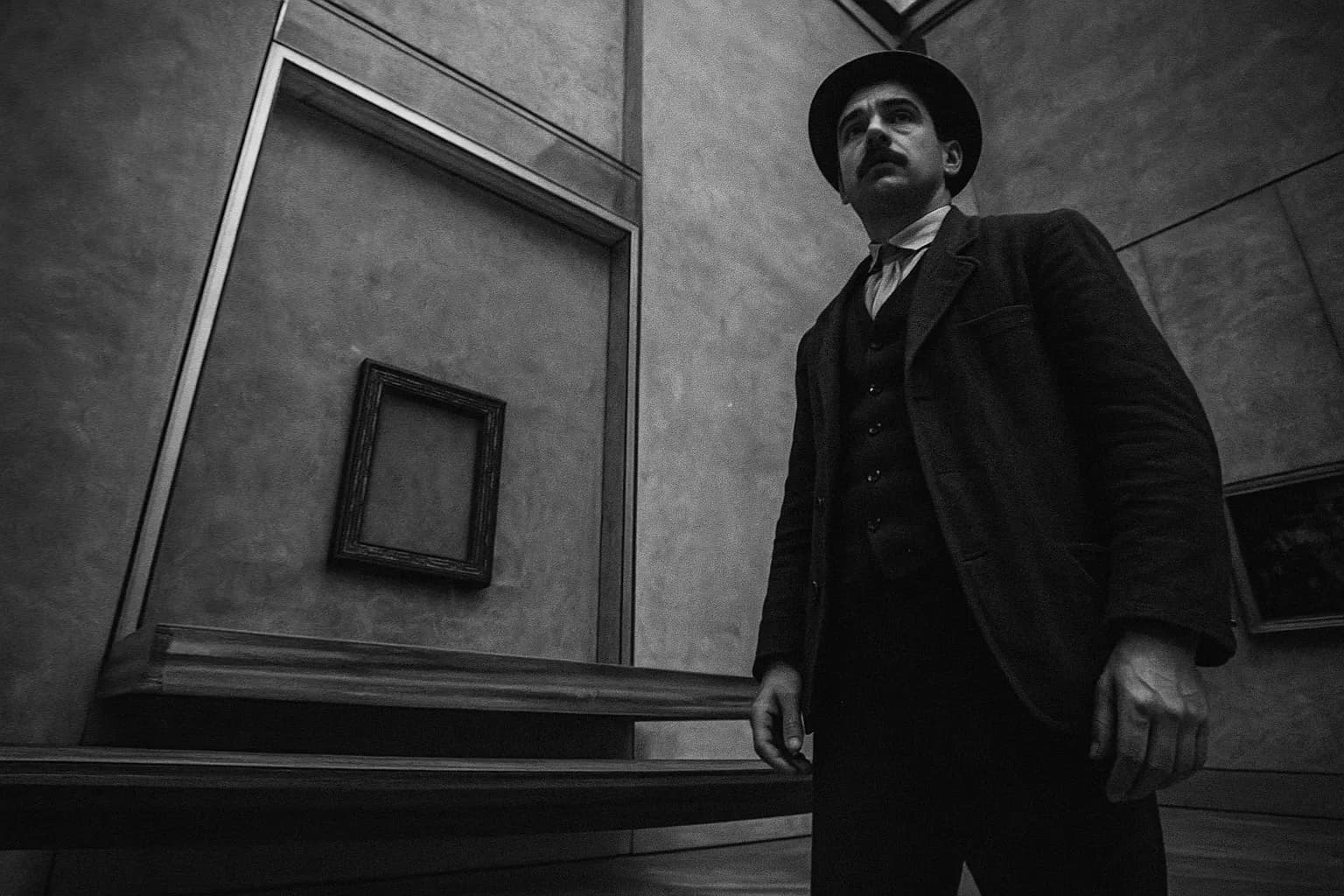
The Italian Painter Who Stole the Mona Lisa
On August 21, 1911, Vincenzo Peruggia, an Italian house painter working in Paris, removed the Mona Lisa from the Louvre Museum and smuggled it out under his worker's smock. His theft—motivated by a belief that the painting belonged in Italy—remained undetected for two years, until his own attempt to return it led to his arrest and the painting's triumphant recovery.