Port Arthur: Australia's Deadliest Mass Shooting
How 35 deaths in Tasmania sparked a nation's swift gun law overhaul
Published June 6, 2025
Case Details
Quick Facts
Classification:
Quick facts
On 28-29 April 1996, Martin Bryant, a 28-year-old man with intellectual disabilities, carried out a shooting spree across Port Arthur, Tasmania—a historic site and popular tourist destination about 100 kilometres south of Hobart. The attack would claim 35 lives and wound between 18 and 23 others, leaving an indelible mark on the nation.
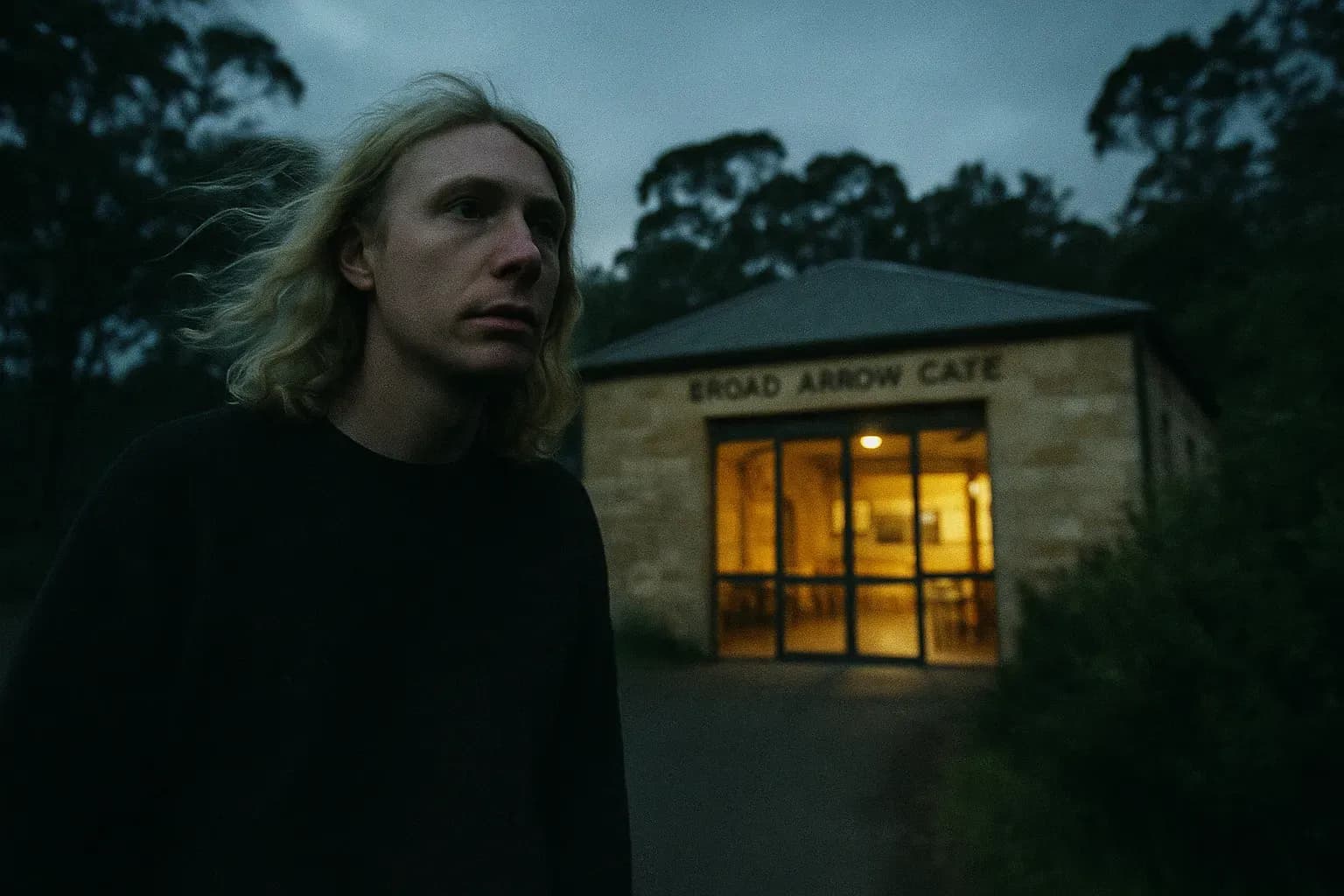
The violence unfolded in stages over roughly 24 hours. Bryant began at the Seascape guesthouse, a bed and breakfast property, where he killed two people known to him. He then moved to the Broad Arrow Café at Port Arthur Historic Site, where he opened fire on unsuspecting visitors and staff, killing 20 people in what became the bloodiest phase of the rampage. The shooting continued at the gift shop and surrounding areas of the historic site, where 15 additional victims fell.
Bryant was armed with three high-powered firearms, including two semi-automatic rifles. His methodical movement between locations, combined with the weapons' capacity, allowed the attack to continue with devastating efficiency across the crowded tourist precinct.
Timeline
Beginning of the massacre
Martin Bryant shoots the Martin couple at the Seascape Bed and Breakfast and then begins his act of violence at the Port Arthur Historic Site.
Arrest of Martin Bryant
After a siege lasting hours, Bryant is arrested by police. The result: 35 dead and 23 wounded.
Conviction
Martin Bryant is sentenced to 35 life terms without parole plus an additional 1,652 years in prison.
Announcement of gun reforms
Only a few weeks after the massacre, Prime Minister John Howard announces sweeping reforms of Australia's gun laws.
The siege ended on the morning of 29 April when Bryant took a hostage at the Seascape guesthouse. As police closed in, he set fire to the building. He was apprehended by law enforcement as he attempted to flee the burning structure, effectively ending the attack.
The legal process moved swiftly. Bryant pleaded guilty to all charges and received 35 life sentences in November 1996 with no possibility of parole—a decision that reflected the gravity of the crime and the Australian justice system's response to mass murder. He was ultimately convicted on 73 charges.
What distinguished Port Arthur's aftermath from many other mass shooting tragedies was the speed and decisiveness of the legislative response. Within weeks of the massacre, Australia's federal and state governments implemented the National Firearms Agreement, a sweeping reform that fundamentally altered gun ownership in the country.
The agreement instituted a near-total ban on fully automatic and semi-automatic weapons—the very class of firearms Bryant had used. New licensing and registration procedures were established, along with mandatory waiting periods for firearm purchases. The reforms represented one of the Western world's most comprehensive responses to mass gun violence, enacted with remarkable political consensus in the months following Port Arthur.
The massacre remains a watershed moment in Australian criminal history and gun policy. It stands as a stark reminder of the destructive potential of mass violence and how societies can respond to tragedy through comprehensive legislative reform. Port Arthur's name became synonymous with both the worst act of gun violence in the nation's history and the catalyst for one of the world's most stringent firearms regulations.
For international observers, Port Arthur exemplifies how a single catastrophic event can galvanize rapid, substantive policy change across an entire nation—a outcome that would profoundly influence global discussions about gun violence prevention in the decades that followed.
Sources https://en.wikipedia.org/wiki/Port_Arthur_massacre https://www.ebsco.com/research-starters/law/port-arthur-massacre-australia https://www.britannica.com/event/Port-Arthur-Massacre https://www.nma.gov.au/defining-moments/resources/port-arthur-massacre https://knowledge.aidr.org.au/resources/criminal-port-arthur-massacre/
Media coverage
Documentaries
- Port Arthur Massacre: A Survivor's Story Questions Official Account(2026)
- The Port Arthur Massacre (True Crime Documentary)(2026)
TV series
- Crimes That Shook Australia: Port Arthur(2026)
Ask about this case
Answers from KrimiNyt's coverage onlyFollow this case
Get an email when a new documentary, podcast or book about Port Arthur: Australia's Deadliest Mass Shooting appears, or when a verdict is reached.