Weapons
Definition, types, and their crucial role in solving true crime cases

Definition
Any tool can become a murder weapon. Learn about weapon types, the traces they leave, and why they are central to solving true crime mysteries.
Definition, types, and their crucial role in solving true crime cases
What defines a weapon in true crime and its reveals
In true crime, a weapon refers to any tool, object, or device used to threaten, inflict violence, injure, or kill a victim during a criminal act. From the calculated use of a firearm to the impulsive use of a random object, the presence of a weapon is often crucial to the severity of the crime and can escalate a confrontation into a matter of life or death. The choice of weapon can reveal important details about the perpetrator's intentions, level of planning, and modus operandi.
Firearms, knives: What traces and what do they tell?
Firearms, with their potential for immediate and lethal harm at a distance, often leave technical traces such as projectiles and casings, which become central to the forensic investigation at a crime scene. Edged weapons, such as knives or other pointed objects, involve a closer confrontation between the perpetrator and the victim and can be more difficult to trace unless left behind and bearing revealing DNA or fingerprints. Blunt force weapons, ranging from custom-made clubs to improvised tools like a hammer or a stone, often indicate a particular brutality, where the act of violence itself is prominent. This aspect underscores that even ordinary objects can be transformed into deadly weapons in the hands of a perpetrator, making the analysis of context and intent essential for the investigation of the violence in question.
The weapon in evidence: Tying crime to perpetrator
Regardless of the type, a weapon is a critical element in almost any violent crime, including murder cases. It not only serves as a means to achieve a criminal purpose, but also constitutes a key piece of evidence that can potentially link a perpetrator to a victim or a crime scene. The way a weapon is acquired, used, and possibly disposed of, often provides investigators with invaluable insights into the perpetrator's psyche, degree of preparation, and attempts to evade detection. Understanding a weapon's role, its identification, and the traces it leaves, is therefore fundamental to solving serious crimes, reconstructing the sequence of events, and ultimately, to painting a full picture of the events and ensuring justice for the victims.
How are weapons used in real-life crimes? Explore cases of firearm executions, knife attacks, and assaults with blunt force weapons. Delve into our harrowing cases involving weapons below.
Read more
The Shot That Nearly Killed a President
On March 30, 1981, outside the Washington Hilton Hotel, a 25-year-old man fired six shots at President Ronald Reagan. The assassination attempt wounded the president and three others, and set in motion events that would reshape U.S. law and national security policy.
The Night Mark David Chapman Killed John Lennon
On December 8, 1980, Mark David Chapman shot and killed John Lennon outside The Dakota apartment building on New York's Upper West Side. The 40-year-old Beatles legend was returning home from a recording session when Chapman, a former security guard from Hawaii, fired five bullets into his back. Lennon was pronounced dead on arrival at Roosevelt Hospital.
The Fall of the Blade Runner: Oscar Pistorius Convicted of Murder
Oscar Pistorius, the celebrated South African sprinter known as the Blade Runner, shot his girlfriend Reeva Steenkamp four times through a locked bathroom door on Valentine's Day 2013. After a lengthy legal battle spanning years, he was ultimately convicted of murder and sentenced to over 13 years in prison.
Related articles
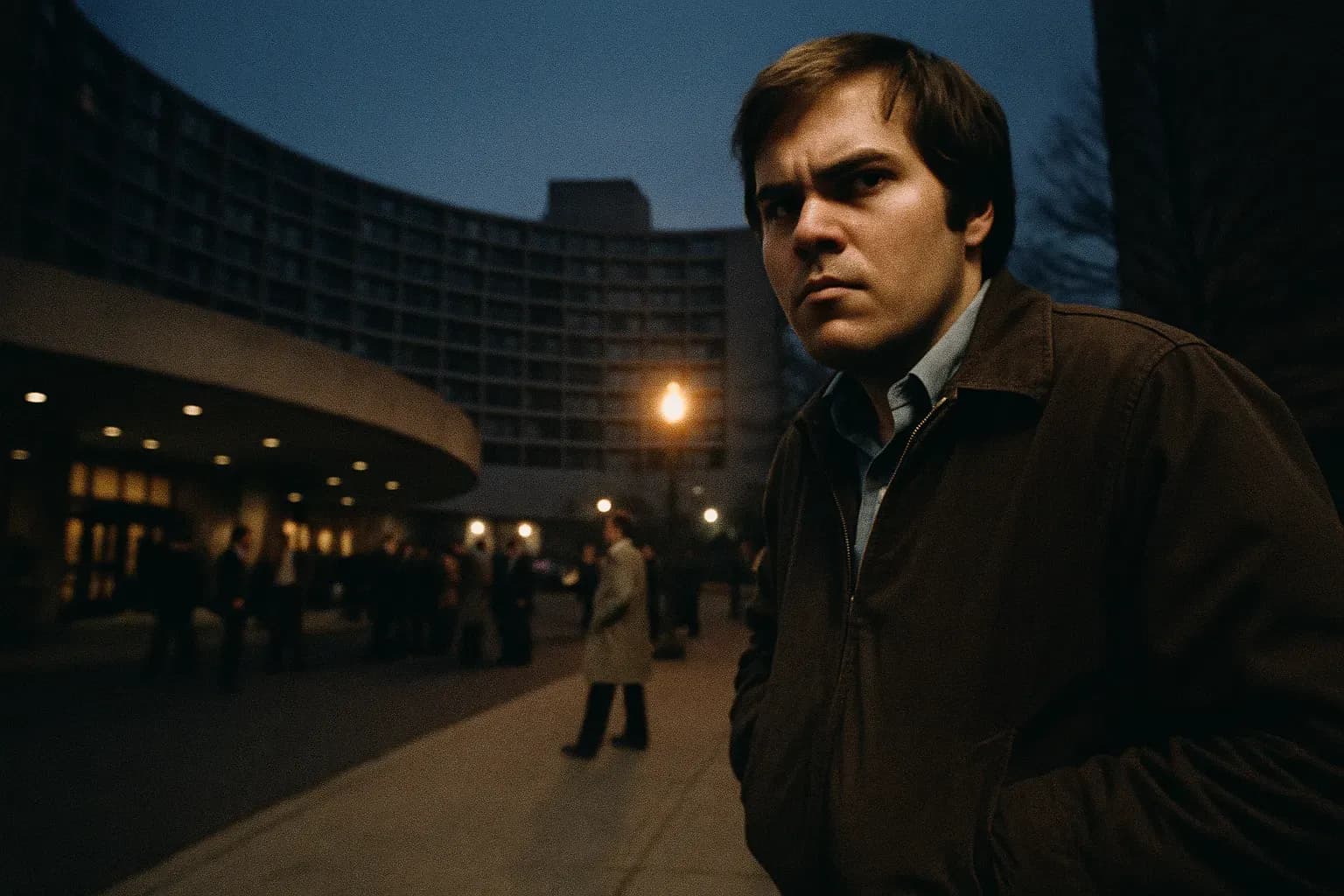
The Shot That Nearly Killed a President
On March 30, 1981, outside the Washington Hilton Hotel, a 25-year-old man fired six shots at President Ronald Reagan. The assassination attempt wounded the president and three others, and set in motion events that would reshape U.S. law and national security policy.

The Night Mark David Chapman Killed John Lennon
On December 8, 1980, Mark David Chapman shot and killed John Lennon outside The Dakota apartment building on New York's Upper West Side. The 40-year-old Beatles legend was returning home from a recording session when Chapman, a former security guard from Hawaii, fired five bullets into his back. Lennon was pronounced dead on arrival at Roosevelt Hospital.

The Fall of the Blade Runner: Oscar Pistorius Convicted of Murder
Oscar Pistorius, the celebrated South African sprinter known as the Blade Runner, shot his girlfriend Reeva Steenkamp four times through a locked bathroom door on Valentine's Day 2013. After a lengthy legal battle spanning years, he was ultimately convicted of murder and sentenced to over 13 years in prison.
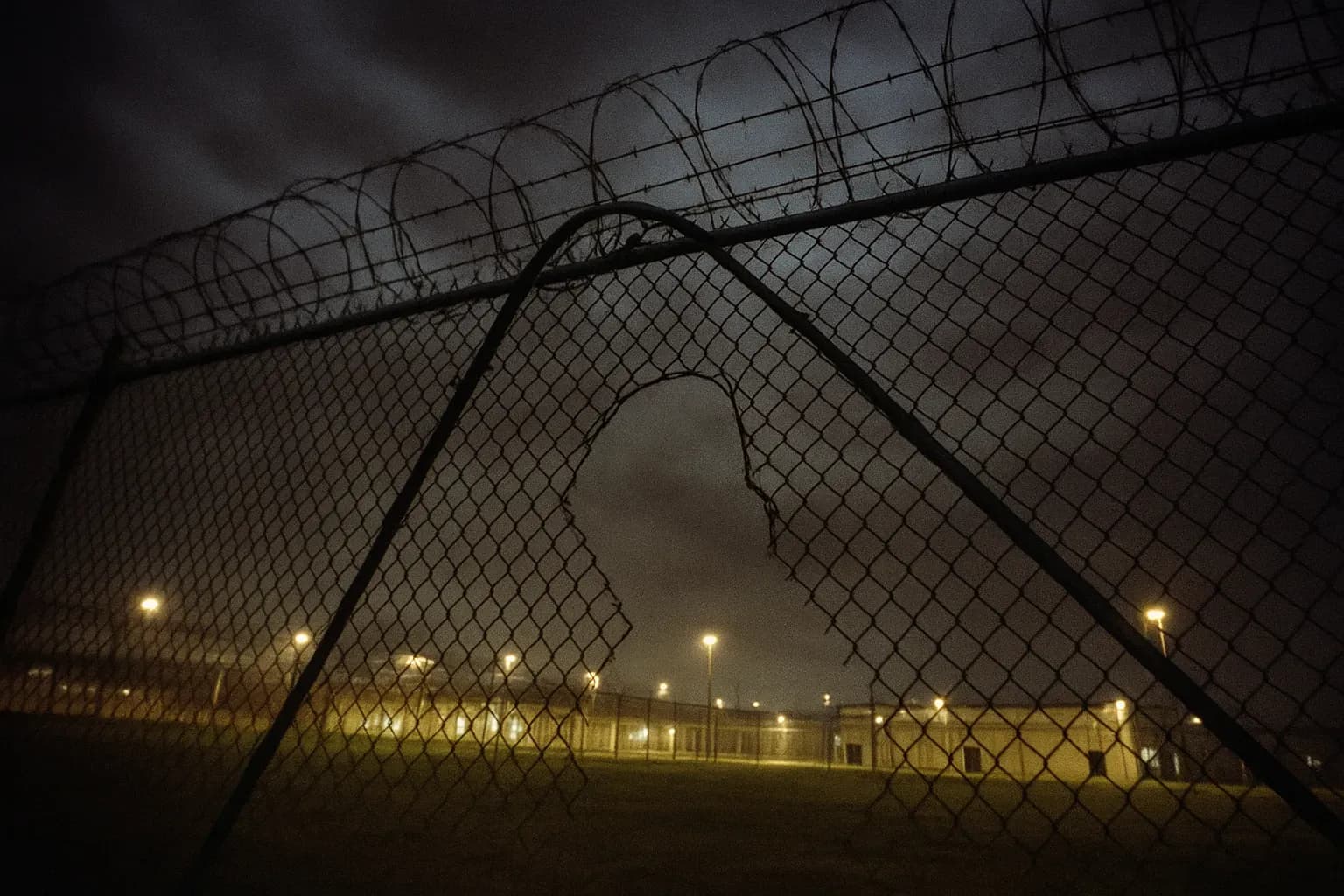
Texas Seven: Maximum Security Escape Ends in Murder
On December 13, 2000, seven inmates escaped from John B. Connally Unit, a maximum-security prison near Kenedy, Texas, after overpowering guards and stealing weapons. The two-week manhunt ended with the murder of Irving Police Officer Aubrey Wright Hawkins and the conviction of six survivors on capital murder charges.

Sandra Bullock's Stalker Dies in SWAT Standoff
Joshua James Corbett, a 42-year-old man convicted of stalking and breaking into actress Sandra Bullock's West Los Angeles home in 2014, died of self-inflicted injuries on May 2, 2018, following a standoff with LAPD's SWAT team at his residence in La Crescenta, California.