Bobby Shmurda: From GS9 Leader to Prison Cell
How a chart-topping rapper became the face of a New York gang investigation
Published June 6, 2025
Classification:
Quick Facts
Ackquille Jean Pollard, known professionally as Bobby Shmurda, burst onto the hip-hop scene in 2014 with the hit single "Hot Nigga," which climbed to number 6 on the Billboard Hot 100. The Miami-born, Brooklyn-raised rapper—whose mother is Vincentian and father Jamaican—had just signed with Epic Records and released his debut EP *Shmurda She Wrote*. Success seemed inevitable. Then, in mid-December, everything collapsed.
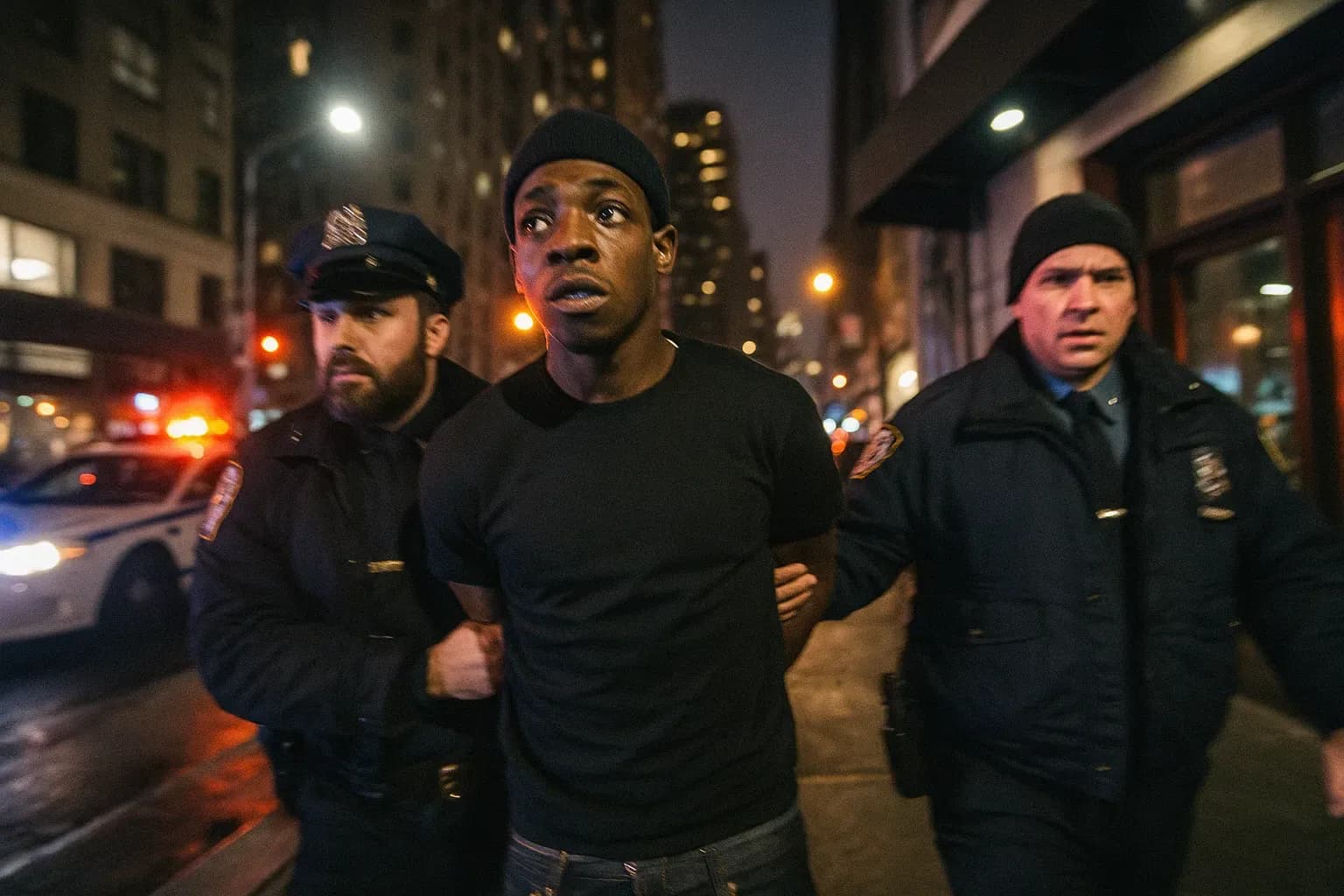
On December 17, 2014, at approximately 4 a.m., federal agents arrested Pollard outside Quad Studios in New York City. He was not alone. Police detained 14-15 additional members of GS9 in what marked the culmination of a year-long New York Police Department investigation. GS9—variously described as "Grimey Shooters," "Gun Squad," or "G Stone Crips"—was the name both of Pollard's street gang and his record label.
The NYPD had extensive documentation of GS9's activities. According to law enforcement, the group operated along Kings Highway and into East Flatbush, dealing crack cocaine, committing murders, orchestrating non-fatal shootings at crowds, and engaging in territorial disputes with rival gangs. Police described Shmurda as the "driving force" behind the organization. When they moved in, agents seized 21 firearms and quantities of crack cocaine from the gang's operations.
Timeline
First arrest in Brooklyn
Ackquille Jean Pollard was arrested on June 3, 2014 in Brooklyn on a charge of illegal possession of a firearm — separate from the subsequent large-scale operation.
Coordinated arrest in Manhattan
On December 17, 2014, Pollard was arrested near Quad Recording Studios, 723 Seventh Avenue, Manhattan, as part of a long-running investigation into gang-related violence and drug trafficking.
Pollard pleads guilty
On September 9, 2016, Pollard pleaded guilty to fourth-degree conspiracy and second-degree criminal possession of a firearm via a guilty plea.
Sentence: seven years in prison
On October 19, 2016, Pollard was sentenced to seven years in prison plus five years of supervised release following the guilty plea agreement.
Pollard released from prison
On February 23, 2021, Ackquille Jean Pollard was released after serving just over six years, with credit given for time already served in pre-trial detention.
The charges were severe. Shmurda and his associates faced 101 charges collectively, including conspiracy to murder, weapons possession, reckless endangerment, narcotics sales, murder, and assault. Shmurda himself was held on a $2 million bail. His close associate Rowdy Rebel, another GS9 member, faced identical bail conditions. At his Manhattan Supreme Court hearing, Shmurda pleaded not guilty.
If convicted on all counts, Shmurda faced a maximum sentence of 8 to 25 years in prison. Instead, in 2016, he took a plea deal. Pollard pleaded guilty to third-degree conspiracy and one count of weapons possession. The court sentenced him to seven years in prison—a substantial reduction from potential maximum sentences, though his legal troubles were far from over.
Shmurda was incarcerated at Clinton Correctional Facility in upstate New York. In 2017, he received an additional four-year sentence after prison officials discovered he had attempted to smuggle a shiv (handmade knife) into the facility. That sentence ran concurrently with his original term, meaning it did not extend his total time behind bars.
Credit for the two years he had already spent in pre-trial detention reduced his sentence further to five years. After more than six years in total custody, Bobby Shmurda was released on parole in February 2021. His liberation was celebrated throughout the hip-hop community, which had largely followed his case with interest.
The rise and fall of Bobby Shmurda remains a stark illustration of how quickly fortune can reverse in the music industry, particularly when an artist's street affiliations attract law enforcement scrutiny. From a promising young rapper with a viral hit to federal prisoner, Shmurda's trajectory unfolded over the course of mere months.
Sources: - https://en.wikipedia.org/wiki/Bobby_Shmurda - https://kids.kiddle.co/Bobby_Shmurda - https://www.complex.com/music/a/j-mckinney/a-timeline-of-bobby-shmurda - https://officialbobbyshmurda.com/about/
Ask about this case
Answers from KrimiNyt's coverage onlyFollow this case
Get an email when a new documentary, podcast or book about Bobby Shmurda: From GS9 Leader to Prison Cell appears, or when a verdict is reached.