The Assassination of Walter Lübcke: Far-Right Terror in Germany
CDU-politiker Walter Lübcke skudt på terrassen af neonazi
Published May 4, 2026
Case Details
Quick Facts
Quick facts
Walter Lübcke was a 65-year-old member of Chancellor Angela Merkel's Christian Democratic Union (CDU) serving as the regional president of the Kassel district in Hesse. A career civil servant and father of two, Lübcke became a target of far-right hatred after a 2015 town hall meeting where he defended the government's refugee policy, telling critics that anyone who disagreed with Germany's Christian values of helping those in need was "free to leave the country." A video of his remarks went viral in right-wing circles, and Lübcke subsequently received numerous death threats that he reported to authorities.
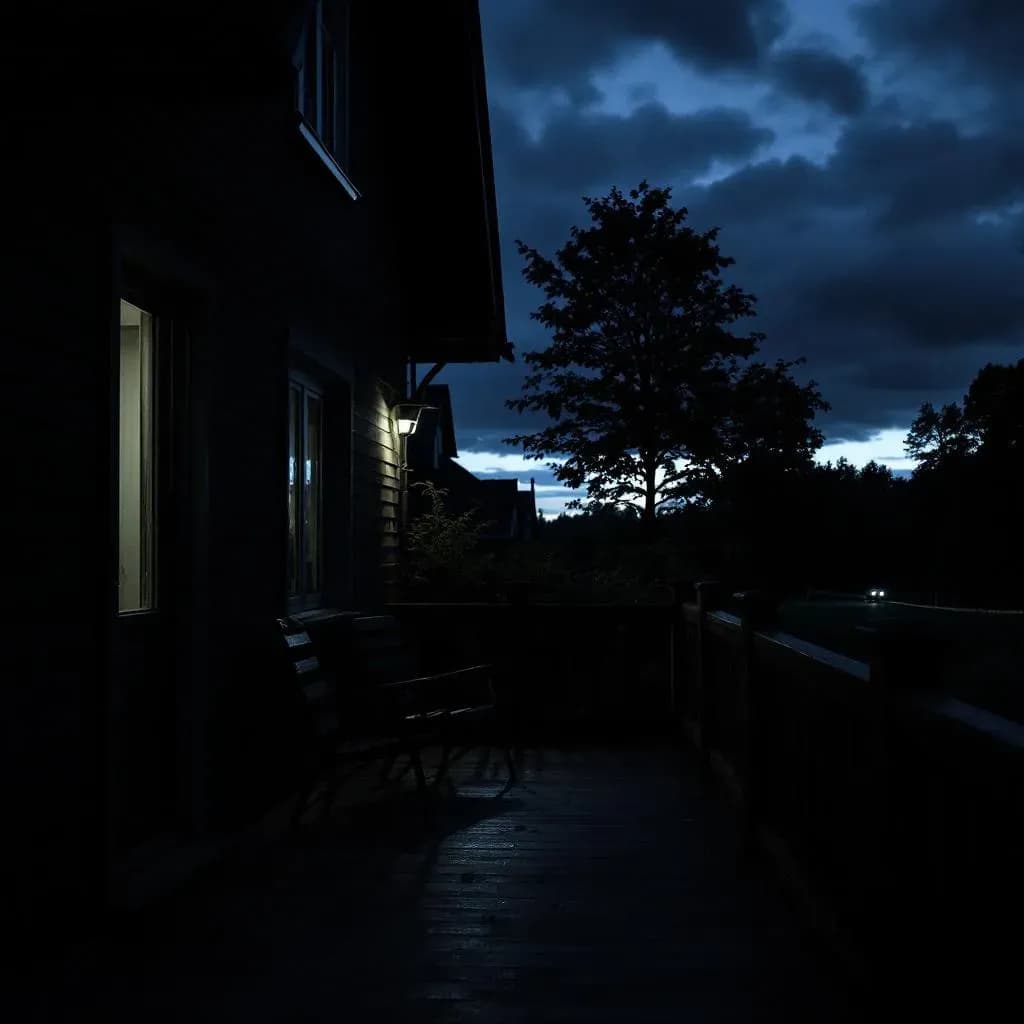
On the night of June 1-2, 2019, Lübcke was shot once in the head at close range while sitting on the terrace of his home in Wolfhagen-Istha, a small town near Kassel. His wife discovered him shortly after midnight, still alive but critically wounded. He was pronounced dead at the scene. Initial investigations yielded few leads, and the case remained unsolved for two weeks. The breakthrough came when forensic analysts matched DNA found on Lübcke's clothing to Stephan Ernst, a 45-year-old electrician with a long history of violent neo-Nazi activity dating back to the 1990s.
Stephan Ernst had been on the radar of German intelligence services for decades. His criminal record included a 1993 pipe bomb attack on a refugee shelter and a 2009 knife attack on a union demonstration. Despite this history, authorities had classified him as no longer dangerous since 2009 — years before Lübcke's speech drew far-right attention. Ernst confessed to the murder shortly after his arrest, claiming he had acted alone. However, he later changed his story multiple times, at one point implicating his friend and fellow neo-Nazi Markus Hartmann as the actual shooter, then reverting to his original confession.
Timeline
Public statements on refugees
At a town hall meeting in Lohfelden, Walter Lübcke defends the country's values and says opponents can leave the country. This makes him a target of far-right hatred online.
The murder on the terrace
Stephan Ernst shoots Walter Lübcke in the head at close range while he is sitting on his terrace around midnight. Lübcke's wife finds him shortly after, and he dies the same night.
Arrest of Stephan Ernst
DNA traces on the victim's shirt lead to Stephan Ernst, who is arrested two weeks after the murder. Ernst was already registered in the DNA database.
Trial begins
The trial against Stephan Ernst and Markus H. opens at the Higher Regional Court in Frankfurt am Main.
Verdict handed down
Stephan Ernst is sentenced to life for murder. Markus H. is convicted of aiding and abetting murder.
The trial opened at the Frankfurt Higher Regional Court in June 2020. Prosecutors established that Ernst had stalked Lübcke multiple times before the murder, visiting his home at least twice with weapons. The investigation also revealed Ernst's connections to Combat 18, a violent neo-Nazi network, and potential links to the National Socialist Underground (NSU), which had murdered ten people between 2000 and 2007. Markus Hartmann was charged as an accessory for allegedly providing the murder weapon and accompanying Ernst on reconnaissance missions to Lübcke's residence.
In January 2021, the court convicted Stephan Ernst of murder and sentenced him to life imprisonment with the possibility of preventive detention, meaning he may never be released. The court found that the killing was politically motivated and constituted an act of right-wing terrorism. Markus Hartmann was acquitted of accessory charges related to the murder but received a suspended sentence for weapons violations. Ernst's initial defense strategy of blaming Hartmann was rejected as a fabrication designed to achieve a lighter sentence.
The Lübcke assassination sent shockwaves through German society and politics. It was widely described as the first successful far-right political murder in the Federal Republic since the Nazi era. The case exposed serious failures in how German security services monitored known extremists and prompted calls for strengthening the fight against right-wing terrorism. It also highlighted the real-world consequences of online radicalization and hate speech, as Ernst had reportedly been further radicalized by consuming far-right content on the internet. For many observers, the murder represented a dangerous escalation — proof that the threat from Germany's far-right was not merely rhetorical but potentially lethal for anyone who publicly opposed their ideology.
Ask about this case
Answers from KrimiNyt's coverage onlyFollow this case
Get an email when a new documentary, podcast or book about The Assassination of Walter Lübcke: Far-Right Terror in Germany appears, or when a verdict is reached.