The Bitfinex Hack — $4.5 Billion Cryptocurrency Theft
International cyber theft, 2016–2022, solved with convictions
Published June 3, 2026

Quick Facts
The Case
The Bitfinex hack case stands as one of the largest cryptocurrency thefts in history, involving the 2016 theft of approximately 120,000 bitcoin from the Hong Kong-based exchange Bitfinex and a subsequent multi-year money laundering conspiracy. While the theft itself was never prosecuted as a standalone hacking case in U.S. courts, federal prosecutors successfully convicted Ilya Lichtenstein and Heather Rhiannon Morgan for laundering the stolen cryptocurrency. Lichtenstein separately admitted during proceedings that he was the individual who hacked Bitfinex, using advanced tools and techniques to breach the exchange's security systems.
The case gained international attention not only for the massive scale of the theft—eventually valued at approximately $4.5 billion—but also for the colorful public persona of co-defendant Heather Morgan, who performed as a rapper under the stage name "Razzlekhan" and maintained an active online presence as a businesswoman and artist. The contrast between Morgan's eccentric public image and the sophisticated criminal conspiracy she participated in captivated media outlets worldwide and highlighted the evolving nature of cryptocurrency crime.
The Crime
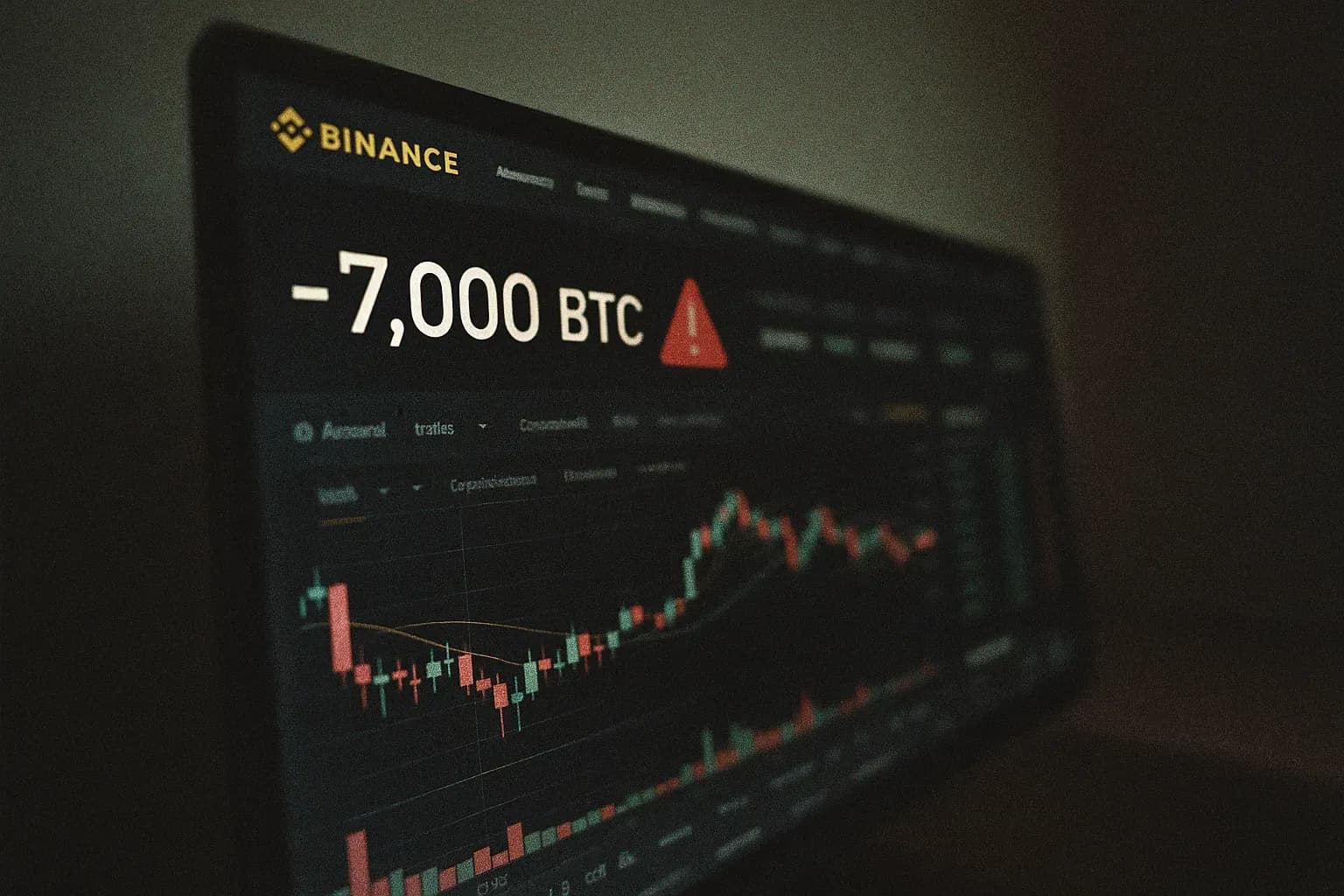
In August 2016, an unknown attacker executed a sophisticated breach of Bitfinex, one of the world's largest cryptocurrency exchanges at the time. The hacker used advanced hacking tools and techniques to gain unauthorized access to Bitfinex's systems and initiated approximately 2,000 unauthorized transactions that drained roughly 120,000 bitcoin from the exchange's hot wallets. At the time of the theft, the stolen cryptocurrency was valued at approximately $71 million, but as bitcoin's value skyrocketed over subsequent years, the theft would eventually represent billions of dollars in value.
Timeline
Hack carried out against Bitfinex
On August 2, 2016, Ilya Lichtenstein breaks into Bitfinex's systems and transfers approximately 119,754–120,000 bitcoin to a wallet under his control.
Theft publicly revealed
In early August 2016, the theft is made public. Bitfinex introduces a socialized loss model and issues BFX tokens to affected customers.
Lichtenstein enters guilty plea
On August 3, 2023, Ilya Lichtenstein enters a guilty plea to money laundering conspiracy before the U.S. District Court for the District of Columbia.
Morgan enters guilty plea
Heather Rhiannon Morgan likewise enters a guilty plea to conspiracy to commit money laundering before the same court in Washington D.C.
Lichtenstein sentenced to 60 months in federal prison
Ilya Lichtenstein is sentenced to 60 months (5 years) in federal prison following his guilty plea. The criminal case concludes with the conviction of both defendants.
The theft targeted user funds held by the exchange, effectively draining customer wallets in a massive coordinated attack. Bitfinex immediately halted trading and began working with law enforcement and blockchain analysis firms to trace the stolen funds. However, the stolen bitcoin quickly moved through a complex web of transactions designed to obscure its origins and frustrate tracking efforts.
Lichtenstein, according to federal prosecutors, was the mastermind behind the technical execution of the hack. He employed sophisticated methods to breach Bitfinex's security infrastructure, demonstrating significant technical expertise in both cybersecurity exploitation and cryptocurrency systems. After successfully extracting the bitcoin, he initiated an elaborate laundering scheme that would continue for nearly six years before law enforcement identified and arrested him.
The laundering operation involved multiple sophisticated techniques common in cryptocurrency crime. Lichtenstein and Morgan used cryptocurrency mixers—services designed to obscure the origin of digital assets by pooling and redistributing them—to break the connection between the stolen funds and their source. They utilized non-compliant exchanges that operated with minimal know-your-customer (KYC) requirements, making it easier to convert and move funds without detection. The couple also made purchases on darknet markets and moved funds through multiple U.S. and international bank accounts, creating layers of transactions intended to frustrate blockchain analysis.
Blockchain intelligence firm Chainalysis later documented that the stolen funds moved through over 2,075 distinct transactions as part of the laundering scheme, demonstrating the scale and complexity of the operation.
The Victims
The direct institutional victim was Bitfinex, the Hong Kong-based cryptocurrency exchange that suffered one of the largest security breaches in the industry's history. However, the ultimate victims were the thousands of Bitfinex users whose bitcoin holdings were stolen in the unauthorized transfers. These users represented individuals and entities from around the world who had entrusted their cryptocurrency assets to the exchange for storage and trading.
Bitfinex responded to the hack by implementing a controversial "haircut" policy, distributing losses proportionally among all users by reducing account balances by approximately 36%. The exchange later issued BFX tokens to affected customers representing their losses and eventually bought back these tokens as it recovered financially. While Bitfinex managed to survive the hack and continue operations—unlike some exchanges that collapsed after major thefts—the incident severely damaged user confidence and raised serious questions about cryptocurrency exchange security practices.
The hack occurred during a critical period for cryptocurrency adoption, when digital assets were transitioning from niche technology to mainstream investment vehicles. The Bitfinex theft, along with other high-profile exchange hacks, highlighted the vulnerability of centralized cryptocurrency platforms and accelerated discussions about improved security standards, cold storage practices, and regulatory oversight of the digital asset industry.
Investigation
The investigation into the Bitfinex hack spanned nearly six years, involving multiple federal agencies, international cooperation, and cutting-edge blockchain analysis techniques. While the theft occurred in August 2016, investigators worked quietly for years to trace the movement of the stolen bitcoin through the blockchain and identify the individuals responsible.
A major breakthrough came when investigators identified and accessed a cloud storage account tied to Lichtenstein that contained a file with over 2,000 wallet IDs and corresponding private keys. This discovery provided the digital equivalent of a map to the stolen funds, allowing investigators to connect numerous cryptocurrency wallets to the original theft and trace the elaborate laundering operation.
Blockchain analysis played a crucial role in the investigation. Unlike traditional financial systems where transactions can be hidden, blockchain technology creates a permanent, public ledger of all cryptocurrency transfers. Investigators from the IRS Criminal Investigation division (IRS-CI), working with blockchain intelligence firms, painstakingly tracked the stolen bitcoin as it moved through mixers, exchanges, and intermediate wallets. This forensic accounting on the blockchain allowed investigators to identify patterns and ultimately connect the stolen funds to accounts controlled by Lichtenstein and Morgan.
In February 2022, federal law enforcement executed arrests of both defendants in New York. The investigation had gathered sufficient evidence not only to seize the majority of the stolen bitcoin but also to charge both individuals with conspiracy to commit money laundering and conspiracy to defraud the United States. The arrests came as a surprise to many in the cryptocurrency community, who had largely assumed the Bitfinex hack would remain unsolved given the time elapsed and the sophistication of the laundering operation.
The government's eventual recovery of approximately $10 billion worth of cryptocurrency represented the largest financial seizure in Department of Justice history, demonstrating both the effectiveness of blockchain analysis and the impossibility of truly hiding cryptocurrency transactions, even with sophisticated laundering techniques.
Trial and Verdict
Rather than proceeding to trial, both defendants elected to plead guilty to federal charges. In July 2023, Ilya Lichtenstein and Heather Morgan entered guilty pleas in the U.S. District Court for the District of Columbia. Lichtenstein pleaded guilty to conspiracy to commit money laundering and separately admitted that he was the individual who hacked Bitfinex in 2016. Morgan pleaded guilty to conspiracy to commit money laundering and conspiracy to defraud the United States.
The guilty pleas clarified what the case ultimately represented: while the hack itself was never prosecuted as a standalone computer fraud case in U.S. courts, the money laundering conspiracy formed the basis for federal prosecution. Lichtenstein's admission that he was the hacker effectively solved the attribution question that had lingered since 2016, but the legal proceedings focused on the years-long effort to conceal and launder the stolen cryptocurrency.
On November 14, 2024, U.S. District Judge Colleen Kollar-Kotelly sentenced Ilya Lichtenstein, then 35 years old, to five years in federal prison. The sentence reflected both the severity of the crime and Lichtenstein's cooperation with investigators. Just days later, on November 18, 2024, the same judge sentenced Heather Morgan to 18 months in prison, a significantly lighter sentence that acknowledged her lesser role in the conspiracy and her cooperation with authorities.
Prosecutors presented evidence that while Morgan participated in the laundering operation and benefited from the stolen funds, she was not involved in the original hack and had a more limited role in the overall scheme compared to Lichtenstein. Her public persona as "Razzlekhan"—including music videos and social media posts that inadvertently documented a lavish lifestyle funded by stolen cryptocurrency—provided investigators with additional evidence but also suggested a lack of awareness about the full scope and seriousness of the criminal enterprise.
Today
The Bitfinex hack case remains a landmark in cryptocurrency crime prosecution and blockchain forensics. The investigation and successful conviction of Lichtenstein and Morgan demonstrated that cryptocurrency's pseudo-anonymous nature does not guarantee impunity for thieves, even in cases involving billions of dollars and sophisticated laundering techniques.
The case has become a cautionary tale within the cryptocurrency industry about exchange security and the permanence of blockchain records. Despite using mixers, multiple exchanges, darknet markets, and complex transaction chains, investigators were ultimately able to trace the stolen funds and identify the perpetrators. This outcome has implications for cryptocurrency's perception as a vehicle for untraceable criminal activity and has been cited by law enforcement agencies as evidence of their growing capabilities in blockchain analysis.
Bitfinex has since recovered the majority of the stolen bitcoin through government seizures, significantly mitigating the financial impact on the exchange and its users. The recovered cryptocurrency, valued at approximately $10 billion at the time of seizure, represents an unprecedented recovery in cybercrime cases and has been gradually returned to Bitfinex as civil forfeiture proceedings conclude.
The case has generated significant media attention, including a Netflix documentary series that explores the investigation, the defendants' unusual public personas, and the broader implications for cryptocurrency security. Morgan's "Razzlekhan" videos and social media presence have become internet curiosities, examined as artifacts of a criminal conspiracy hidden in plain sight.
For the cryptocurrency industry, the Bitfinex case accelerated conversations about security standards, insurance mechanisms, and the balance between decentralization ideals and practical security needs. Many exchanges have since implemented more robust cold storage protocols, multi-signature wallet requirements, and real-time monitoring systems designed to prevent similar large-scale thefts.
As Lichtenstein and Morgan serve their sentences, the case stands as a defining moment in cryptocurrency crime enforcement, demonstrating both the vulnerabilities of digital asset platforms and the increasing sophistication of law enforcement's ability to investigate and prosecute crimes involving blockchain technology.
Media coverage
TV series
- Biggest Heist Ever: The Bitfinex Hack and Its Aftermath(2026)
Ask about this case
Answers from KrimiNyt's coverage onlyFollow this case
Get an email when a new documentary, podcast or book about The Bitfinex Hack — $4.5 Billion Cryptocurrency Theft appears, or when a verdict is reached.