Hacking
The invisible crime that enables extortion, fraud, and data theft

Definition
Hacking: Understand the illegal digital intrusion that enables everything from data theft and ransomware to espionage. Uncover the threat in true crime cases.
The invisible crime that enables extortion, fraud, and data theft
What is hacking, and why is it a major digital threat?
Hacking, within a true crime context, refers to the illegal and unauthorized access to, control over, or manipulation of computer systems, networks, or digital devices. It is a criminal act that breaches digital security measures, often with the intent to access, steal, alter, or destroy sensitive data and information. Furthermore, compromised systems can be misused for additional criminal activities such as digital fraud, extortion (often in the form of ransomware), or cyberespionage. This type of digital intrusion, also known as a cyberattack, ranges from simple attempts to guess passwords to advanced, sophisticated attacks that exploit complex vulnerabilities in software and systems. This makes hacking a central component in many forms of modern cybercrime and a persistent threat to both individual and societal digital security.
Ransomware and stalking: Hacking's criminal uses explained
The relevance of hacking in true crime cases is immense, as it constitutes a standalone crime and serves as a tool for committing other forms of digital crime. Perpetrators can use hacking to commit identity theft by stealing personal information, carry out extensive financial fraud, or extort victims, for example, by encrypting data with ransomware until a ransom is paid. Hacking can also facilitate illegal digital surveillance and digital stalking. The consequences for both individual victims and larger organizations can be catastrophic, ranging from financial ruin and reputational damage to deep personal violation and extensive data breaches where large amounts of sensitive information are compromised. The investigation of hacking cases is notoriously complex and resource-intensive. It requires specialized digital investigation and computer forensics and often involves an international hunt for perpetrators who skillfully hide their digital footprints and operate anonymously across borders.
Behind attacks: What drives hackers, and how to stop them?
The motives behind hacking are diverse and can include financial gain, industrial espionage, politically motivated hacktivism – where hacking is used as a means of protest – or personal revenge. The constant and rapid technological development creates an ongoing race between malicious hackers, who continuously seek out and exploit new security holes and vulnerabilities, and cybersecurity experts, who work to identify, patch, and prevent these digital threats. A thorough understanding of hacking and its methods is therefore essential to comprehend the modern threat landscape and the extent of cybercrime. This highlights the vulnerability of our increasingly digitized society and the complex, persistent challenge this poses for law enforcement, data security, and general public safety.
Explore cases of digital extortion and sophisticated data theft. Read concrete examples of hacking in action – explore our in-depth cases below.
Read more
The Hunter Moore Case — Revenge Porn and Email Hacking
The Hunter Moore case is a US federal revenge-porn and computer-hacking case centered on the site IsAnyoneUp.com, which posted nude images without consent from 2010 to 2012.
U.S. Charges Chinese Military Officers in Massive Equifax Hack
U.S. federal prosecutors charged four members of China's People's Liberation Army on February 10, 2020, with orchestrating one of the largest data breaches in history. The defendants allegedly exploited a vulnerability in Equifax's systems to steal sensitive information from approximately 145 million Americans over a two-month period in 2017.
700 Million LinkedIn Users' Data Sold on Dark Web Forum
In June 2021, a hacker using the username TomLiner posted personal data from approximately 700 million LinkedIn users—roughly 93% of the platform's membership—for sale on the dark web forum RaidForums. LinkedIn disputed the characterization as a breach, arguing the data came from public profiles and external sources rather than a direct hack of its systems.
Related articles

HYRET TIL INDBRUD - Usynlig fjende del 1
Episode af Danske Kriminalsager om hackeren, der hyres til at bryde ind i banker og virksomheder for at finde sikkerhedshuller, før kriminelle gør det.
The Hunter Moore Case — Revenge Porn and Email Hacking
The Hunter Moore case is a US federal revenge-porn and computer-hacking case centered on the site IsAnyoneUp.com, which posted nude images without consent from 2010 to 2012.

U.S. Charges Chinese Military Officers in Massive Equifax Hack
U.S. federal prosecutors charged four members of China's People's Liberation Army on February 10, 2020, with orchestrating one of the largest data breaches in history. The defendants allegedly exploited a vulnerability in Equifax's systems to steal sensitive information from approximately 145 million Americans over a two-month period in 2017.

700 Million LinkedIn Users' Data Sold on Dark Web Forum
In June 2021, a hacker using the username TomLiner posted personal data from approximately 700 million LinkedIn users—roughly 93% of the platform's membership—for sale on the dark web forum RaidForums. LinkedIn disputed the characterization as a breach, arguing the data came from public profiles and external sources rather than a direct hack of its systems.
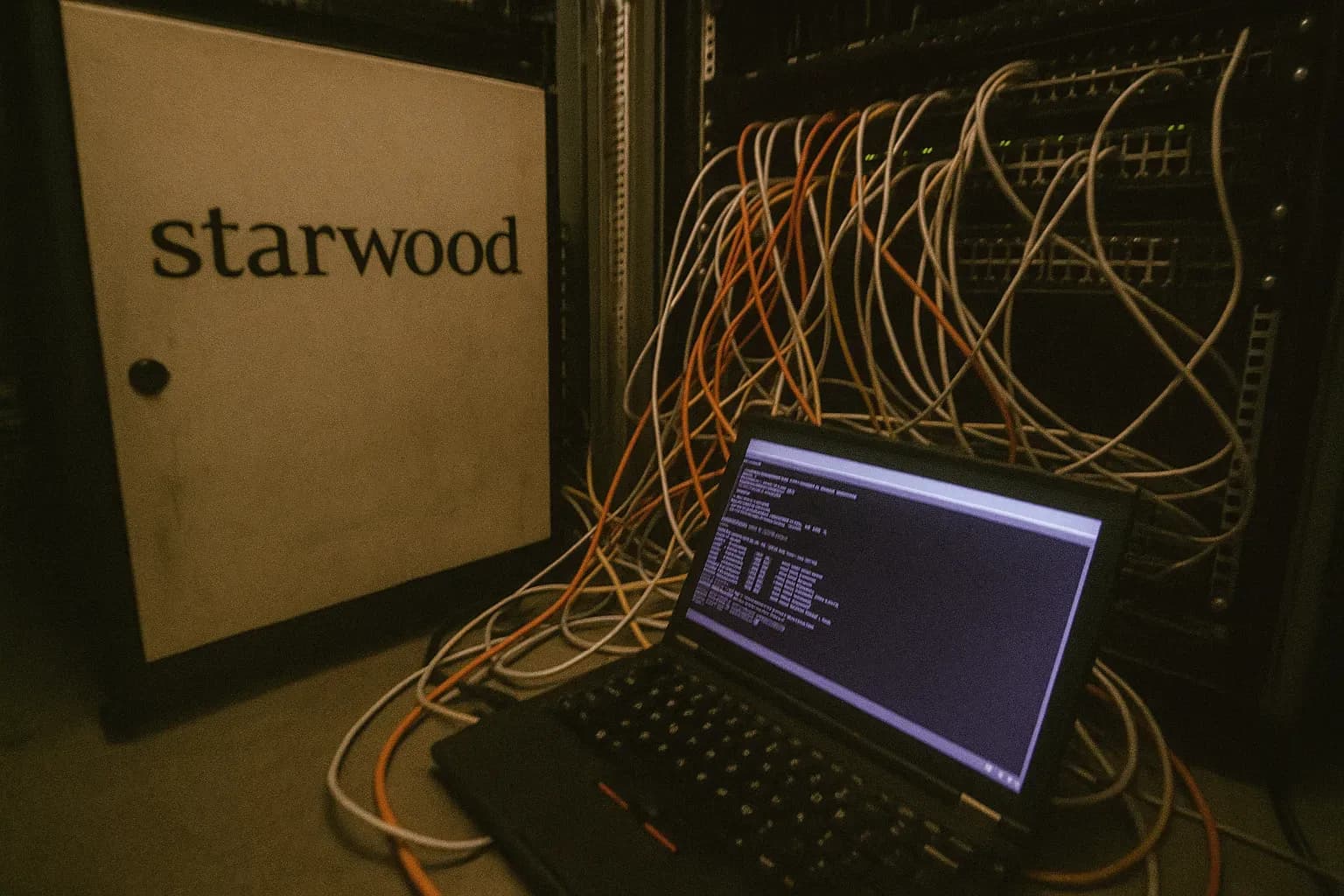
500 Million Hotel Guests Hit by Massive Marriott Data Breach
A massive data breach at Marriott and its subsidiary Starwood exposed the personal information of up to 500 million hotel guests. Hackers had access to the reservation system from as early as 2014 — and went undetected for years.

The Mt. Gox Collapse: How Bitcoin's Largest Exchange Lost $450M
In February 2014, Mt. Gox—once the world's largest Bitcoin exchange—abruptly suspended trading and went offline, revealing the theft of over 744,000 Bitcoins worth approximately $450 million. The collapse exposed critical vulnerabilities in early cryptocurrency infrastructure and led to the arrest of CEO Mark Karpelès, a French businessman who had acquired the exchange just three years earlier.

Hafnium: How China Hacked Microsoft Exchange in 2021
The 2021 Hafnium attack: Chinese state hackers compromised thousands of Exchange servers globally. From espionage to worldwide ransomware chaos. Read the full story here.
7 Million Robinhood Users Hit by Data Breach
An unknown hacker infiltrated the American trading platform Robinhood on November 3, 2021, stealing data from approximately 7 million users. The attack was carried out by manipulating a customer support employee over the phone.

The Sony Hack: North Korea's Cyber Threat to Free Speech
In 2014, entertainment giant Sony was hit by one of the largest cyberattacks ever carried out against a private company, with around 100 terabytes of data stolen. The attack was attributed to North Korea and seen as an attempt to suppress a film's release.
Twitch Breach Exposed Top Streamers' Million-Dollar Payouts
A hacker breached Twitch's internal systems in early October 2021, leaking source code, passwords, and payout data for thousands of streamers. The leaked information exposed two years of earnings data, revealing that top creators earned millions from subscriptions, ad revenue, and Bits donations.

WannaCry: The Ransomware Attack That Crippled the NHS
On May 12, 2017, the WannaCry ransomware attack struck more than 300,000 computers across 150 countries, but its impact on Britain's National Health Service proved particularly devastating. The attack infected at least 80 NHS trusts and over 600 primary care organizations, forcing hospitals to cancel thousands of procedures and revert to pen-and-paper record-keeping.
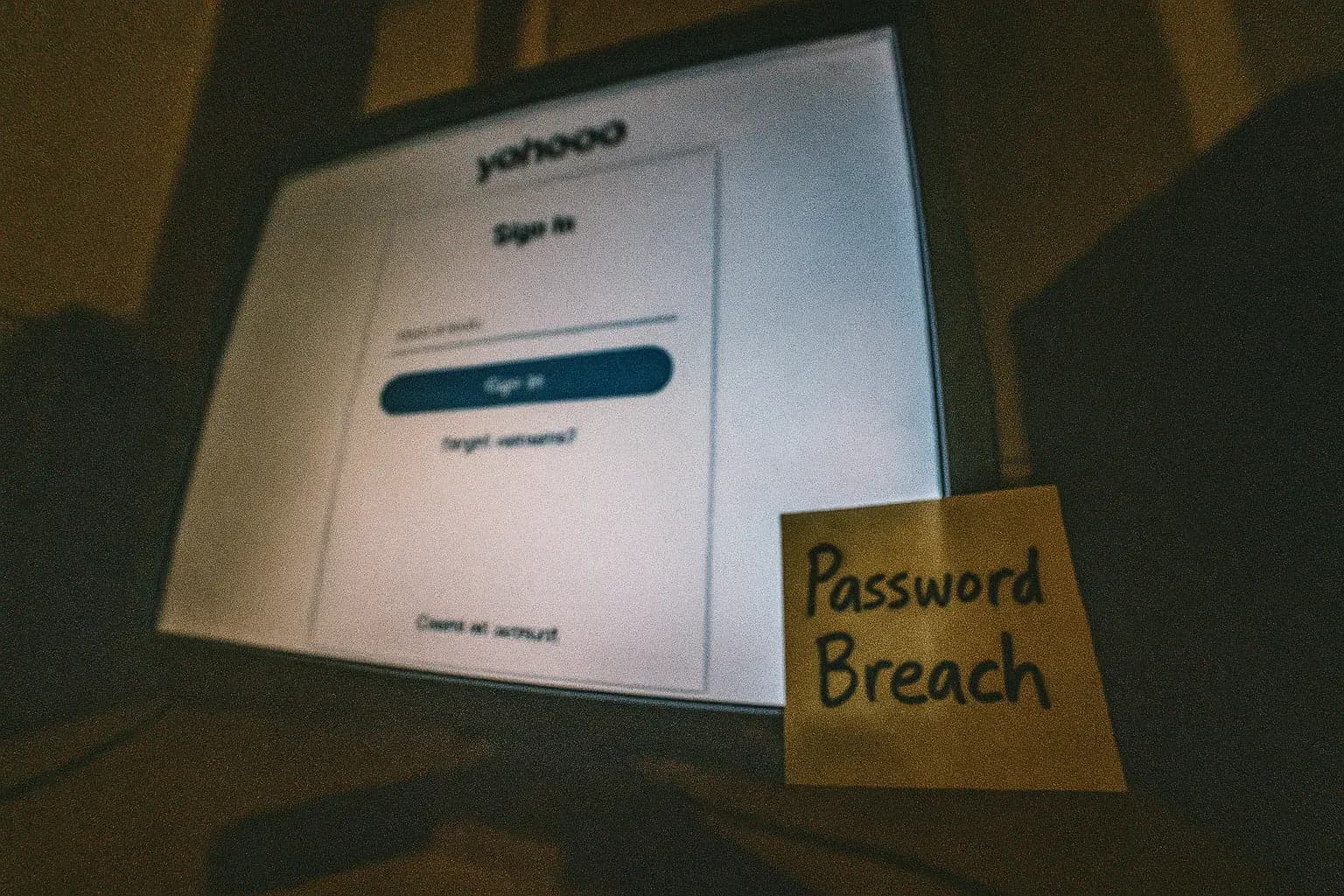
Yahoo's 3 Billion Account Breach: History's Largest Hack
Yahoo suffered the largest data breach in history when hackers compromised 3 billion user accounts in August 2013, followed by a second breach affecting 500 million accounts in late 2014. The company didn't publicly disclose either incident until 2016, triggering investigations, lawsuits, and a $300 million reduction in its acquisition price.