Internet
From digital revolution to criminal weapon and investigative nightmare
Definition
The internet: Criminals' global playground and crime scene for cyberattacks. Delve into how the Dark Web, hacking, and digital extortion shape modern crime.
From digital revolution to criminal weapon and investigative nightmare
From network to tool: Internet misuse on the Dark Web
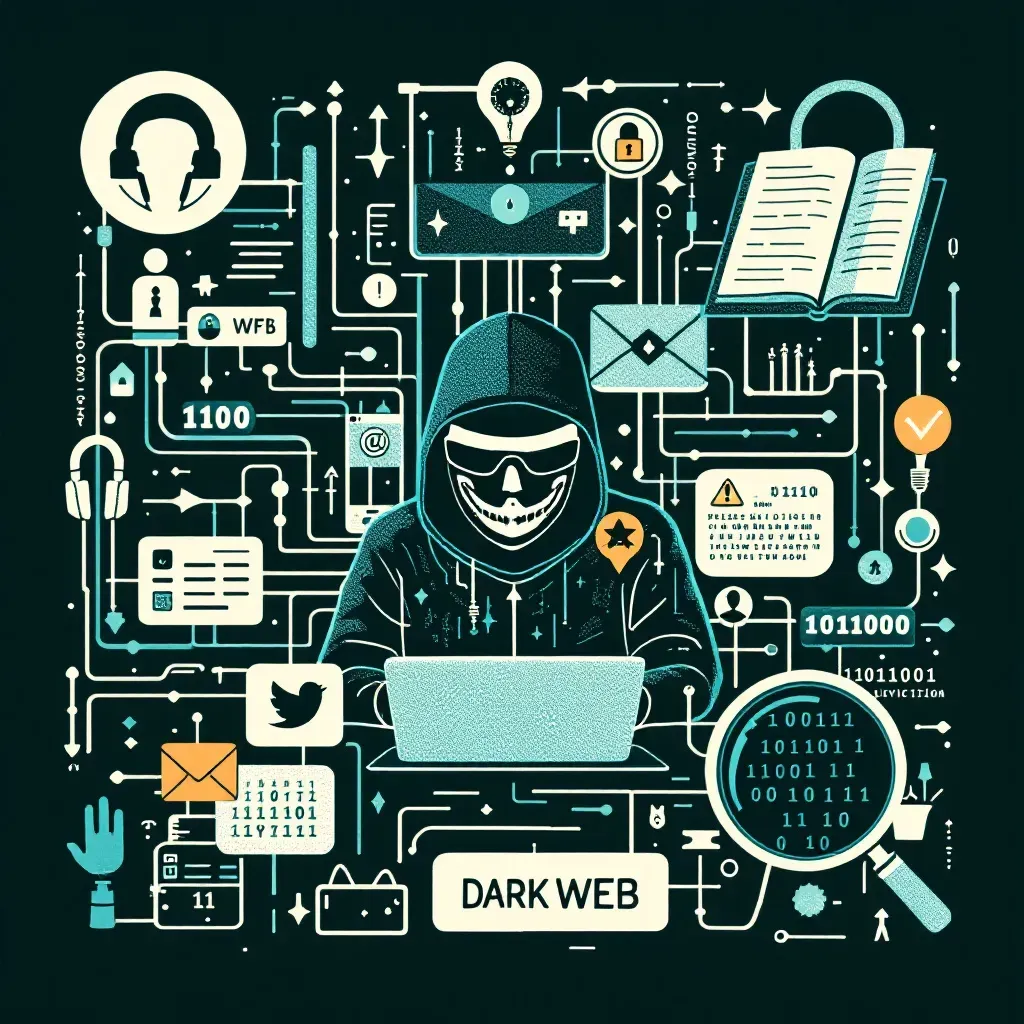
In the realm of true crime, the internet represents a vast digital infrastructure that not only connects the world but also serves as a central arena and a potent tool for criminal activities. Its global reach, combined with opportunities for anonymity and instant communication, has transformed the landscape of crime, enabling new types of offenses and giving traditional criminal methods a digital dimension. Criminals thus exploit the internet's capabilities to plan and coordinate everything from drug trafficking to terrorist attacks, often via encrypted platforms or the so-called dark net (also known as the Dark Web), where illegal goods and services are openly offered.
Internet as a crime scene: Forms of cybercrime explored
At the same time, the internet itself has become a crime scene for a wave of cybercrime and IT-related crime, including widespread hacking, systematic identity theft, and sophisticated online fraud. Similarly, the dissemination of harmful material, child grooming, cyberstalking, and digital extortion take place in this virtual space, creating complex challenges for both individuals and general online security.
Digital investigations: Evidence vs anonymity online
For law enforcement agencies, the internet therefore represents both a goldmine of potential digital evidence and digital footprints – such as IP addresses, communication logs, and online profiles – and a constant source of investigative difficulties. These difficulties are primarily due to the widespread use of encryption, anonymization services, and the cross-border nature of much internet-based crime. The internet's continuous evolution and its deep integration into societal life mean that its role in criminal contexts remains a dynamic and critical focal point for developing effective digital investigation techniques, combating cybercrime in particular, and understanding the modern, digital forms of crime.
The internet opens doors to everything from digital extortion to sophisticated cybercrime. What does this look like in practice? Explore real-life internet cases – find our shocking case studies below.
Read more
Ashley Madison Breach: 37 Million Exposed in 2015 Hack
In July 2015, hackers calling themselves "The Impact Team" breached Ashley Madison, a website marketed for extramarital affairs, stealing personal data from approximately 37 million users across 40 countries. The incident exposed not only intimate details but also widespread corporate deception that defined the scandal.
Celsius Founder Sentenced to 12 Years for Crypto Fraud
Alexander Mashinsky, founder and former CEO of Celsius Network, was sentenced to 12 years in federal prison on December 3, 2024, in New York after pleading guilty to commodities and securities fraud. The sentencing concludes a major prosecution of the crypto lending platform that collapsed in 2022, wiping out billions in customer savings.
Hackers Steal $570 Million in Binance Coin Cyberattack
Unknown hackers exploited a vulnerability in Binance's BSC Token Hub bridge on October 4, 2022, stealing approximately 2 million BNB tokens valued at $570 million. The attack, discovered two days later, marked one of crypto's largest bridge heists but left user funds untouched.
Related articles

Sweden's Hidden Court Murders: How a Podcast Revived Cold Cases
A Swedish audio series is drawing international attention to historical Scandinavian crimes, including unexplained deaths within courthouse walls. But questions about victim sensitivity and journalistic methods have tempered its breakthrough success.

Ashley Madison Breach: 37 Million Exposed in 2015 Hack
In July 2015, hackers calling themselves "The Impact Team" breached Ashley Madison, a website marketed for extramarital affairs, stealing personal data from approximately 37 million users across 40 countries. The incident exposed not only intimate details but also widespread corporate deception that defined the scandal.

Celsius Founder Sentenced to 12 Years for Crypto Fraud
Alexander Mashinsky, founder and former CEO of Celsius Network, was sentenced to 12 years in federal prison on December 3, 2024, in New York after pleading guilty to commodities and securities fraud. The sentencing concludes a major prosecution of the crypto lending platform that collapsed in 2022, wiping out billions in customer savings.

Hackers Steal $570 Million in Binance Coin Cyberattack
Unknown hackers exploited a vulnerability in Binance's BSC Token Hub bridge on October 4, 2022, stealing approximately 2 million BNB tokens valued at $570 million. The attack, discovered two days later, marked one of crypto's largest bridge heists but left user funds untouched.

How Cambridge Analytica Harvested 87 Million Facebook Users
Between 2013 and 2015, a British political consulting firm called Cambridge Analytica systematically harvested personal data from 87 million Facebook users without consent. When exposed in March 2018, the scandal triggered a global reckoning over tech platform accountability that continues today.

Christian Brückner: Prime Suspect in Madeleine McCann Case
Christian Brückner remains the main suspect in the disappearance of Madeleine McCann from Praia da Luz, Portugal in 2007, though he has not been charged in connection with the case.

700 Million LinkedIn Users' Data Sold on Dark Web Forum
In June 2021, a hacker using the username TomLiner posted personal data from approximately 700 million LinkedIn users—roughly 93% of the platform's membership—for sale on the dark web forum RaidForums. LinkedIn disputed the characterization as a breach, arguing the data came from public profiles and external sources rather than a direct hack of its systems.

500 Million Hotel Guests Hit by Massive Marriott Data Breach
A massive data breach at Marriott and its subsidiary Starwood exposed the personal information of up to 500 million hotel guests. Hackers had access to the reservation system from as early as 2014 — and went undetected for years.

Hafnium: How China Hacked Microsoft Exchange in 2021
The 2021 Hafnium attack: Chinese state hackers compromised thousands of Exchange servers globally. From espionage to worldwide ransomware chaos. Read the full story here.

7 Million Robinhood Users Hit by Data Breach
An unknown hacker infiltrated the American trading platform Robinhood on November 3, 2021, stealing data from approximately 7 million users. The attack was carried out by manipulating a customer support employee over the phone.

Hacker Steals $610M in Crypto, Then Returns It All
An unidentified hacker breached Poly Network, a decentralized finance platform, and stole $610 million in cryptocurrencies across multiple blockchain networks in August 2021. Within days, the attacker returned nearly all the funds, leaving investigators puzzled about the motive.

The Sony Hack: North Korea's Cyber Threat to Free Speech
In 2014, entertainment giant Sony was hit by one of the largest cyberattacks ever carried out against a private company, with around 100 terabytes of data stolen. The attack was attributed to North Korea and seen as an attempt to suppress a film's release.