NCAA Basketball Corruption Scandal — Federal Bribery Case
New York City, 2017 federal indictment; convictions secured in 2018
Published June 2, 2026

The case in the media
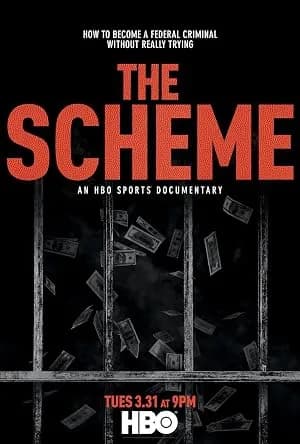
4 documentaries, series, podcasts and books covering this case
Quick Facts
The Case
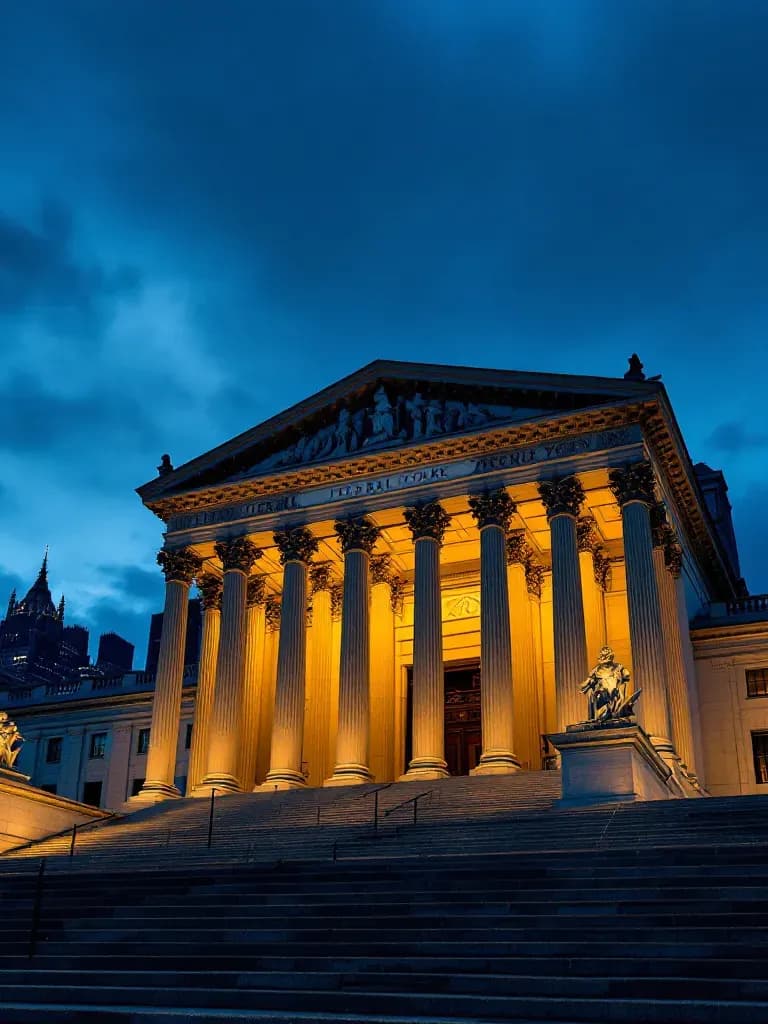
The NCAA Basketball Corruption Scandal is a United States federal criminal case, unsealed in September 2017, in which executives at Adidas, sports agents, financial advisers and assistant coaches at major Division I men's basketball programs were charged with paying bribes to steer top recruits and players toward Adidas-sponsored schools and to specific agents and advisers. The investigation was led by the FBI and prosecuted by the US Attorney's Office for the Southern District of New York, and it became one of the most consequential corruption cases ever brought against the college sports industry.
The Crime
Prosecutors described a sprawling pay-for-play scheme that violated federal wire fraud, bribery and money-laundering statutes. According to the government, Adidas executive James Gatto, consultant Merl Code and middleman Christian Dawkins funneled tens of thousands of dollars to the families of elite high school recruits to influence where they enrolled, and they paid assistant coaches to direct their players toward favored agents and financial managers once they turned professional.
The alleged scheme defrauded universities by causing them to issue scholarships and athletic eligibility to players whose recruitment had been tainted by undisclosed payments — a theory of "honest services" and wire fraud that prosecutors used to convert NCAA rule-breaking into federal crimes. Schools named or implicated in court filings included Arizona, Auburn, Louisville, Miami, Oklahoma State, South Carolina and USC, according to the Wikipedia case summary.
Timeline
Federal investigation begins
According to prosecutors, the U.S. Attorney's Office for SDNY began investigating the bribery scheme in 2015, two years before the public learned of the case.
Arrests and indictment announced in New York
On September 26-27, 2017, federal authorities arrested ten people in New York City and unveiled a detailed indictment on bribery and wire fraud in NCAA basketball.
Federal jury convicts Gatto, Code and Dawkins
In October 2018, a federal jury in Manhattan found James Gatto, Merl Code and Christian Dawkins guilty on all counts of wire fraud and conspiracy to commit wire fraud.
The Victims
Unlike a violent-crime case, the NCAA corruption prosecution had no single human victim. The government's theory cast the universities themselves as the defrauded parties, because they unknowingly admitted athletes who had been paid in violation of NCAA rules and risked sanctions, lost scholarships and reputational damage. Student-athletes, rival recruits who lost roster spots, and the broader integrity of college basketball were also harmed by the scheme. ESPN's reporting on the FBI corruption probe details how programs faced years of NCAA enforcement aftershocks, with coaches fired and championships put under a cloud.
Investigation
The FBI's investigation grew out of an unrelated 2016 Securities and Exchange Commission action against financial adviser Marty Blazer, who was accused of misappropriating money from professional athletes. Facing federal scrutiny, Blazer agreed to cooperate and became a confidential informant. Through Blazer, agents were introduced to financial adviser Munish Sood, agent Christian Dawkins and ultimately to Adidas executives Gatto and Code, as reported in ESPN's deep dive on how the FBI built the case.
Investigators used wiretaps, recorded meetings, undercover agents posing as investors and tracked wire transfers to document payments to coaches and recruits' families. On September 27, 2017, the Southern District of New York unsealed indictments naming ten initial defendants, including Adidas-linked figures and assistant coaches Anthony "Tony" Bland (USC), Chuck Person (Auburn), Emanuel "Book" Richardson (Arizona) and Lamont Evans (Oklahoma State / South Carolina).
Trial and Verdict
In October 2018, after a high-profile trial in Manhattan federal court, James Gatto, Merl Code and Christian Dawkins were convicted of federal wire fraud and conspiracy charges. A second trial in 2019 focused on payments routed to assistant coaches and produced additional convictions. Several of the assistant coaches resolved their cases with guilty pleas rather than going to trial. The exact sentencing terms varied and should be verified against the SDNY criminal docket before republishing specific numbers.
The prosecutions established, for the first time at scale, that NCAA recruiting violations could be charged as federal felonies when bribery and wire fraud were involved — a precedent that reshaped how the college sports industry, shoe companies and agents conduct business.
Today
The 2017–18 federal corruption case is closed, but its consequences have continued. The NCAA pursued enforcement actions against multiple implicated programs for years after the criminal trials concluded, and the case fundamentally changed the legal and regulatory landscape that preceded the eventual collapse of NCAA amateurism rules and the rise of name, image and likeness (NIL) compensation.
A separate, newer scandal — a 2023–2025 college basketball point-shaving and sports-betting investigation — has produced its own indictments and guilty pleas, including a fixer who pleaded guilty in an NCAA point-shaving scheme, and commentators at Sports Illustrated have argued that college basketball's integrity problems are not new. That betting-related case is legally distinct from the 2017 recruiting-bribery prosecution covered above.
Ask about this case
Answers from KrimiNyt's coverage onlyThe case in the media
4 documentaries, series, podcasts and books covering this case

Follow this case
Get an email when a new documentary, podcast or book about NCAA Basketball Corruption Scandal — Federal Bribery Case appears, or when a verdict is reached.