Nine Years in Captivity: The Fusako Sano Case
How a nine-year-old girl survived over a decade of confinement in Japan
Published June 6, 2025
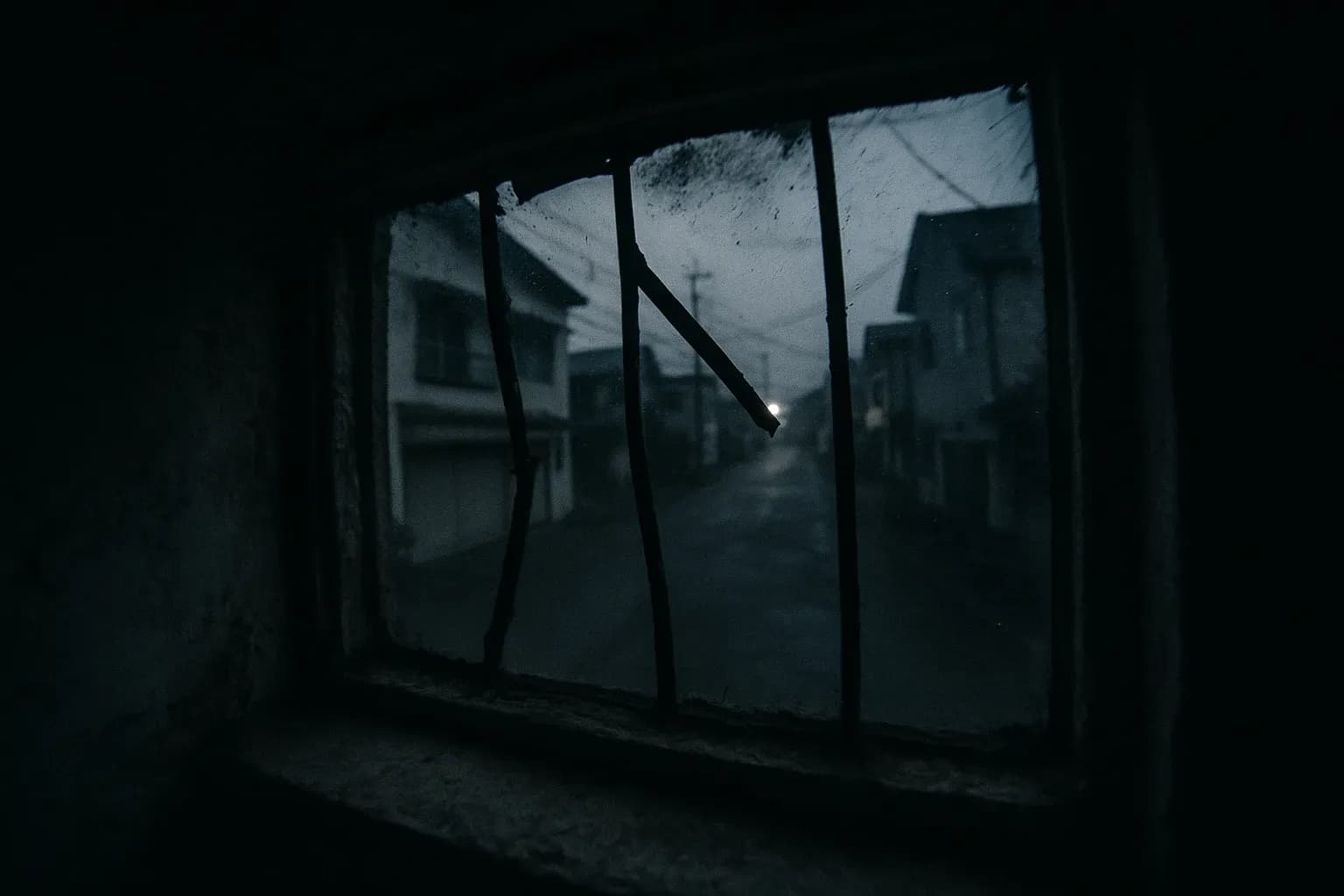
On November 13, 1990, nine-year-old Fusako Sano vanished from a baseball game in the schoolyard of her hometown in Sanjo city, Niigata Prefecture, Japan. She would not see freedom again for nine years and two months.
The day began like any other for the fourth-grader. While watching a baseball game at school, Nobuyuki Satō, a 28-year-old unemployed man with a history of violence and mental disturbance, spotted Sano and forced her into his vehicle. He drove her away from Sanjo toward Kashiwazaki, a city approximately 55 kilometers away, where he kept her imprisoned in the upstairs apartment of his home.
Satō had a troubling background. Just a year before Sano's abduction, he had been arrested for attempting to kidnap another girl and was on probation at the time of her disappearance. His behavior deteriorated sharply following his father's death in 1989, becoming increasingly violent—breaking doors and windows, and on one occasion giving his own mother a black eye.
Timeline
9-year-old Fusako Sano abducted
On November 13, 1990, 9-year-old Fusako Sano disappears in Niigata Prefecture, Japan. She is subsequently held captive in Nobuyuki Satō's residence in Kashiwazaki.
Fusako Sano found – Satō arrested
On January 28, 2000, after 9 years and 2 months in captivity, Fusako Sano is found alive in Satō's apartment in Kashiwazaki. Satō is arrested the same day.
Charges filed against Nobuyuki Satō
In February 2000, Nobuyuki Satō is charged and indicted at the Niigata District Court for abduction and unlawful confinement.
Satō found guilty – sentenced to 14 years
The Niigata District Court finds Nobuyuki Satō guilty. He pleaded guilty at the first hearing. The sentence is set at 14 years in prison.
Japan's Supreme Court upholds 14-year sentence
On July 10, 2003, Japan's Supreme Court rejects the appeals from both parties and upholds the original sentence of 14 years in prison against Nobuyuki Satō.
Once inside his apartment, Satō restrained the terrified girl. According to reports and Sano's own statements after her rescue, she was tied up with tape during the first several months of her captivity. Satō wielded a stun gun as punishment—using it on her, for example, if she refused to videotape horse races for him. He also threatened her with a knife and beat her regularly.
Sano's conditions deteriorated over the decade. She was malnourished and weakened, bearing burn marks on her body from the stun gun abuse. Satō allowed her to listen to radio broadcasts for most of her captivity but restricted her access to television until the final year. Throughout those nine years, the door to her room was never locked—yet she never attempted to leave.
When questioned after her rescue, Sano explained the psychology of her captivity with striking clarity: she had been too frightened to escape and had gradually lost all energy and hope to do so. The initial terror had calcified into resignation. She had simply given up.
Satō's mother lived in the apartment below her son's quarters. Police later believed she was aware of her son's captive, citing evidence such as purchases of feminine hygiene products. However, Satō's violent behavior—particularly the threats he made whenever his mother tried to go upstairs—created a barrier to any intervention she might have considered.
The captivity ended on January 28, 2000, when police responded to a disturbance call at a hospital. During the incident, the now-19-year-old Sano approached the officers and revealed her extraordinary story. She had finally escaped her psychological prison.
Satō was arrested after being released from the hospital, once he was deemed mentally competent to stand trial. He admitted to most of the charges against him. On January 22, 2002—more than a decade after Sano's abduction—Niigata District Court sentenced him to 14 years in prison for kidnapping and unlawful imprisonment.
The case shocked Japan and highlighted the vulnerability of children, the dangers posed by individuals with violent histories, and the complex psychological mechanisms that can keep captives bound to their captors without physical chains.
Sources
https://en.wikipedia.org/wiki/Fusako_Sano https://www.latimes.com/archives/la-xpm-2000-feb-12-mn-63737-story.html https://vocal.media/criminal/breaking-down-the-niigata-girl-confinement-incident https://bajanews.mx/noticias/10781/Fusako-Sano-Kidnapped-from-9-to-19-years-old
Ask about this case
Answers from KrimiNyt's coverage onlyFollow this case
Get an email when a new documentary, podcast or book about Nine Years in Captivity: The Fusako Sano Case appears, or when a verdict is reached.