Freeway Phantom: Six Young Girls Murdered in Washington D.C.
Between April 1971 and September 1972, an unidentified killer abducted and murdered six young Black girls in the Washington D.C. area. The case has never been solved.
Published June 6, 2025
Classification:
Quick Facts
The Case in Brief
The Freeway Phantom case is an unsolved serial murder investigation from the early 1970s, in which six young African American girls were abducted and killed in Washington D.C. and the adjacent Prince George's County, Maryland. The bodies were found along or near major roads and highways in the area — a geographical pattern that led investigators and the media to conclude the crimes were linked to a single perpetrator, whom the press dubbed the "Freeway Phantom." The case remains open as a cold case with the Metropolitan Police Department of Washington D.C., and no one has ever been held accountable for the murders.
The six victims deserve to be remembered by name: Carol Denise Spinks, Darlenia Denise Johnson, Brenda Faye Crockett, Nenomoshia Yates, Brenda Denise Woodard, and Diane Denise Williams — individuals with lives, families, and futures ahead of them, not merely statistics in an unsolved case.
The Crimes
The crimes took place over a period of roughly eighteen months, from April 1971 to September 1972. The first known abduction occurred on April 25, 1971, when Carol Denise Spinks disappeared. Over the following months, four more young girls vanished: Darlenia Denise Johnson on July 8, 1971; Brenda Faye Crockett on July 27, 1971; Nenomoshia Yates on October 1, 1971; and Brenda Denise Woodard on November 15, 1971. The sixth and final known victim, Diane Denise Williams, was killed on September 5, 1972.
Timeline
Carol Denise Spinks abducted
On April 25, 1971, Carol Denise Spinks disappears in the Washington D.C. area. Her case is considered the first in the series of Freeway Phantom killings.
Darlenia Denise Johnson abducted
On July 8, 1971, Darlenia Denise Johnson disappears. She is the second known victim linked to the Freeway Phantom case.
Brenda Faye Crockett abducted
On July 27, 1971, Brenda Faye Crockett disappears — just under three weeks after the previous victim. The third known killing in the series.
Nenomoshia Yates abducted
On October 1, 1971, Nenomoshia Yates disappears. Her case is the fourth known instance in the series of Freeway Phantom crimes.
Brenda Denise Woodard abducted
On November 15, 1971, Brenda Denise Woodard disappears. She is the fifth known victim and the last one in the calendar year 1971.
Diane Denise Williams killed — the sixth victim
On September 5, 1972, Diane Denise Williams is killed. She is the sixth and last known victim in the Freeway Phantom case.
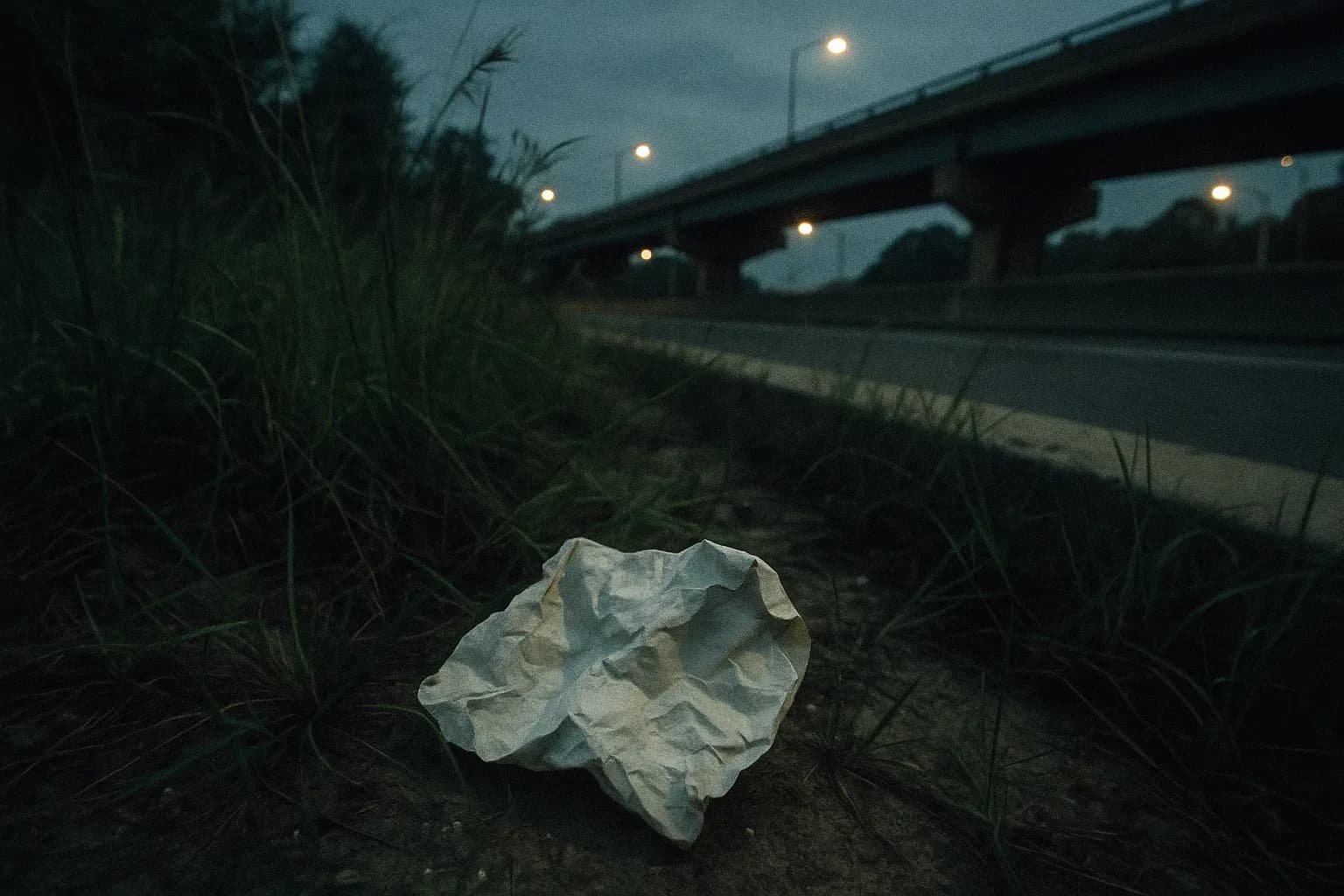
In every case, the bodies were discovered along or near major roads and highways in the Washington D.C. area and Prince George's County, Maryland. It was this consistent geographical pattern that led both investigators and the media to treat the six cases as connected and attribute them to one and the same perpetrator.
As People Magazine has documented in a detailed account of the case, the murders deeply shook Washington D.C.'s African American community. Fear spread through neighborhoods, parents were afraid to let their children go out alone, and the killings cast a shadow over daily life in the capital throughout the months the crimes were occurring.
The Investigation
The investigation into the Freeway Phantom case primarily involved the Metropolitan Police Department of Washington D.C. and authorities in Maryland, given that the crimes crossed jurisdictional boundaries. That cross-jurisdictional dimension complicated matters significantly at a time when coordination between law enforcement agencies was far less systematic than it is today.
Investigators never succeeded in identifying a perpetrator with sufficient certainty to bring charges. The case remained open, and over time it became one of the most well-known unsolved serial killings in American criminal history.
Crime and Investigation has described the Freeway Phantom case as an example of the challenges that serial murder investigations posed to law enforcement in the early 1970s — including limited forensic techniques and the absence of any national system for coordinating information about similar crimes across different jurisdictions.
It is also worth noting that the case unfolded during a period when missing and murdered African American children routinely received far less media coverage and political attention than missing white children. This disparity in public attention has since been discussed as a contributing factor in how the cases were handled.
Trial and Verdict
No trial has ever taken place in connection with the Freeway Phantom case. No perpetrator has ever been identified, arrested, charged, indicted, or convicted. There is no verdict, no acquittal, and no appeal associated with these six murders. The courts of the District of Columbia and Maryland have never had the opportunity to hear the case, because the investigation has never produced a concrete suspect who could be brought before a judge.
The Case Today
The Freeway Phantom case remains officially open as a cold case with the Metropolitan Police Department of Washington D.C., meaning it has never been formally abandoned and new information can still be received and acted upon.
Over the decades, the case has attracted renewed attention from journalists, true crime researchers, and the victims' families, who have not given up hope that the perpetrator may one day be identified. Advances in forensic technology — including DNA analysis and digital investigative methods — have shed new light on decades-old crimes in other cold cases, and those same tools offer hope in the Freeway Phantom investigation as well.
Carol Denise Spinks, Darlenia Denise Johnson, Brenda Faye Crockett, Nenomoshia Yates, Brenda Denise Woodard, and Diane Denise Williams were all young African American girls with lives, families, and futures ahead of them. That the case remains unsolved more than half a century later is a reminder that justice for them and their families is still waiting.
Ask about this case
Answers from KrimiNyt's coverage onlyFollow this case
Get an email when a new documentary, podcast or book about Freeway Phantom: Six Young Girls Murdered in Washington D.C. appears, or when a verdict is reached.