Unprotected: Murder in Galicia
Netflix true-crime documentary (2026) on Isabel Fuentes' killing in Pazos, Verín, Galicia, Spain
Quick facts
What is the series about?
"Murder in Galicia" is the title under which two separate Netflix productions have circulated: a three-part fictional miniseries called El crimen de Pazos, and the true-crime documentary that inspired this page, [Unprotected: Murder in Galicia](https://about.netflix.com/en/news/netflix-premieres-the-documentary-unprotected-murder-in-galicia-on-november-6) (Desprotexida: El crimen de Pazos). Both cover the same real case: the 2015 killing of Isabel Fuentes, a 66-year-old woman from Pazos, in the municipality of Verín, Ourense province, Galicia, Spain. The documentary is a stand-alone film rather than a multi-episode series, and reconstructs the case through interviews and reporting rather than dramatization.
The Case
In April 2015, Isabel Fuentes was attacked in her own home, reportedly suffering three blows with a hammer in what was initially presented to investigators as a burglary gone wrong. Weeks later, on 8 May 2015, Fuentes was fatally stabbed while recovering at the Complexo Hospitalario Universitario de Ourense, turning what looked like a failed robbery into a homicide investigation inside a hospital.
Attention eventually turned away from unknown intruders and toward people in Fuentes's close circle, centering on her husband, Aniceto Rodríguez, who was 74 at the time. Reporting on the case identifies Rodríguez as the central suspect in the hospital killing. However, no available public source confirms a formal verdict, sentencing outcome, or the current legal status of the case, and claims about his guilt should be treated as allegations tied to the investigation rather than an established legal conclusion.
The documentary's framing emphasizes a broader question raised by the case: how a known vulnerable woman could be killed despite warning signs, and whether institutional or protective failures played a role in the outcome.
Production
[Unprotected: Murder in Galicia](https://www.netflix.com/title/82112156) was directed by Jorge Laplace and produced by True Crime Factory, with Carles Porta and Pablo Fernández reported as executive producers. It was released on Netflix on 6 November 2026, one week ahead of its fictional companion series.
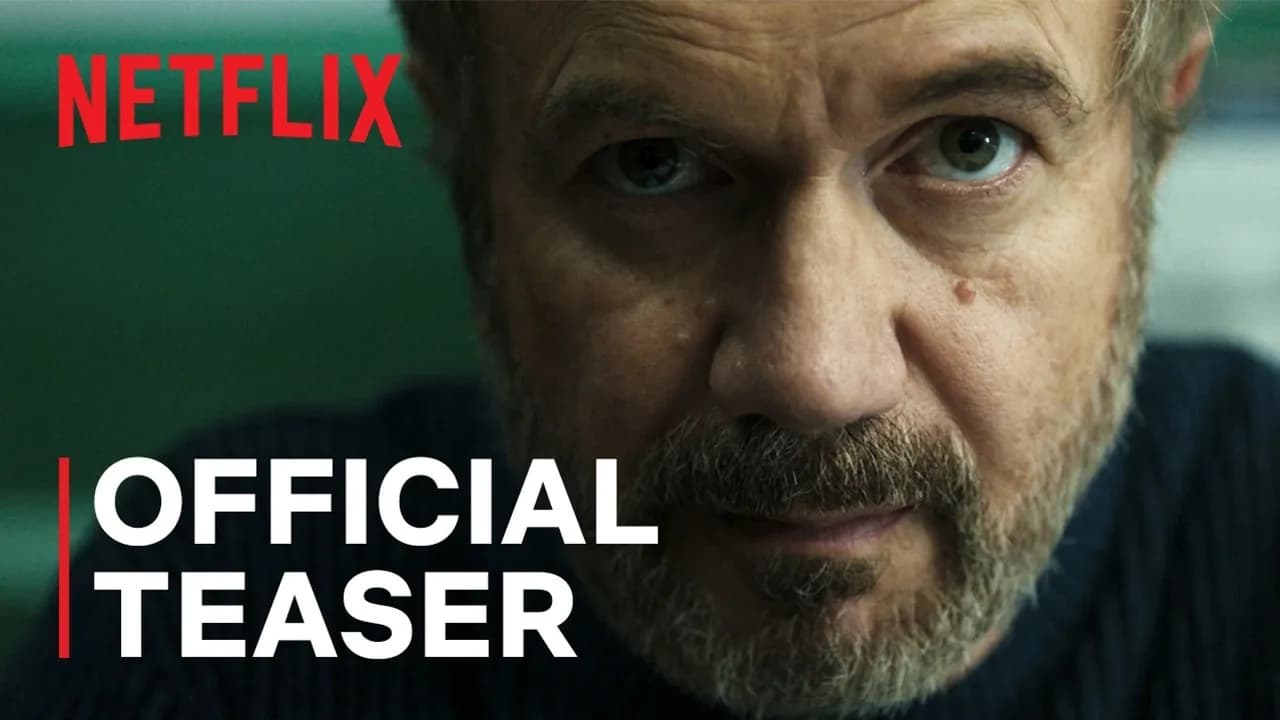
That companion piece, El crimen de Pazos — released internationally as [Murder in Galicia](https://about.netflix.com/en/news/murder-in-galicia-comes-to-netflix-on-13-november) — is a three-episode dramatization produced by Bambú Producciones and directed by Carlos Sedes, premiering 13 November 2026. It stars Tristán Ulloa as a Civil Guard investigator, referred to in coverage as Elías, who suspects Aniceto but faces resistance within the justice system. This narrative device belongs to the dramatized fiction and should not be treated as a documented record of the actual investigation.
Netflix's own coverage, including a Netherlands announcement, explicitly distinguishes the two titles as separate releases built around the same real case, a strategy increasingly used by the platform to pair scripted drama with documentary context.
Reception
Because both titles are scheduled for November 2026 release, no verified post-release reviews, audience scores, or critical consensus are available at the time of writing. IMDbPro lists the fictional series under the identifier tt38707741, but no dependable user rating has been published for either production. Early media coverage, such as reporting from El Correo Gallego, has focused on the factual background of the case rather than critical reception, and no documented controversy around the dramatization itself has surfaced in available sources. The most substantive public debate tied to the case concerns Isabel Fuentes's vulnerability and whether protective systems failed her before her death, rather than any dispute over how the productions were received.
The Case Today
Public reporting reviewed for this article does not confirm a trial date, verdict, sentence, or the current status of Aniceto Rodríguez. No source available establishes whether charges were formally filed, whether a trial took place, or what became of the case after the initial investigation. Readers should treat Rodríguez's role as alleged pending confirmation from a verified court record or reputable Spanish news outlet documenting a legal outcome. As both the documentary and the dramatized series approach release, further reporting tied to their premiere may clarify these outstanding details.