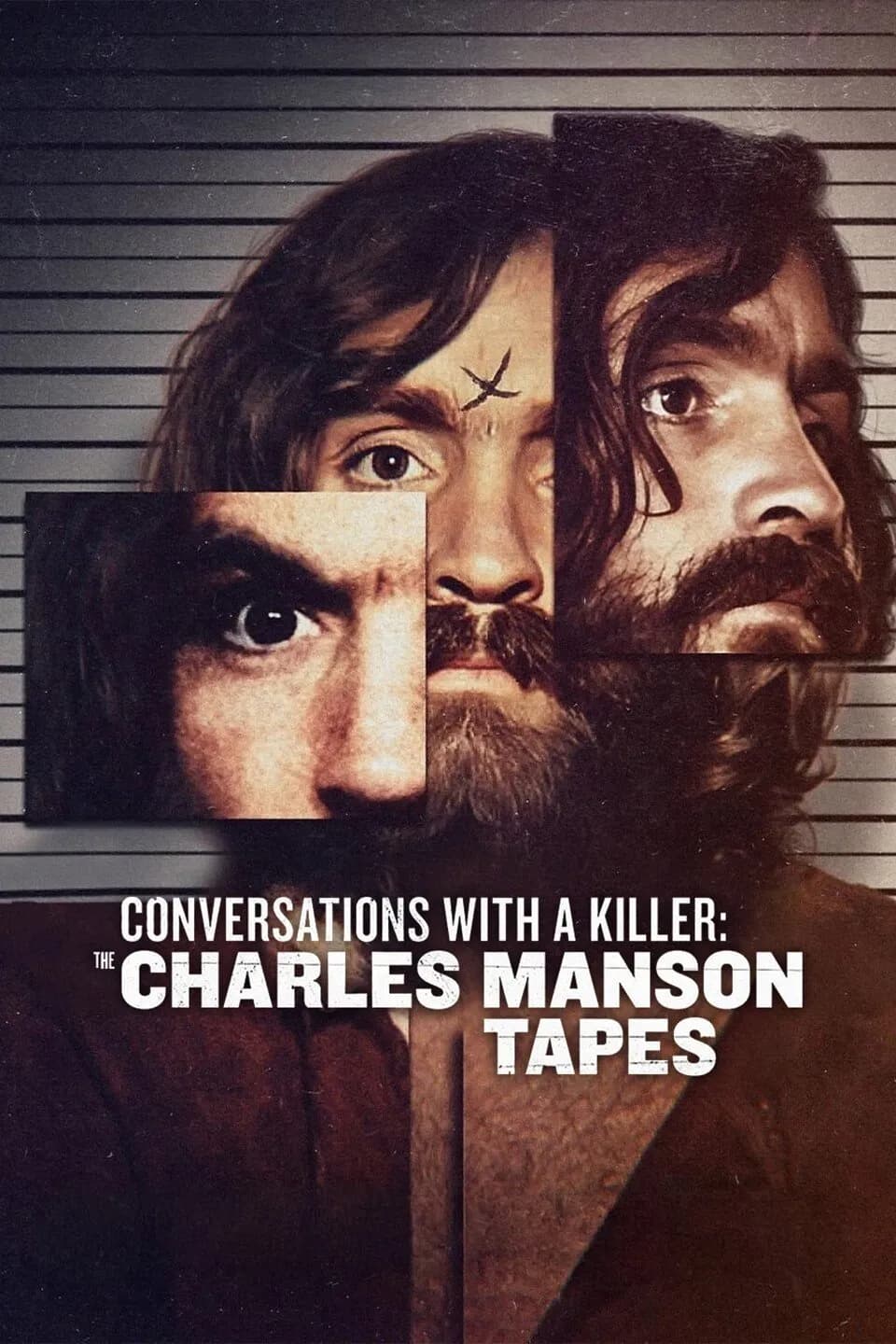
Conversations with a Killer: The Charles Manson Tapes
Netflix, 2026 — The Manson Family murders and the trial that shocked America
What Is the Series About?
*Conversations with a Killer: The Charles Manson Tapes* is a three-episode Netflix documentary series released on August 12, 2026, that revisits one of the most infamous criminal cases in American history: the Tate-LaBianca murders carried out by the Manson Family in Los Angeles in August 1969. The series is built around previously unreleased prison recordings of Charles Manson himself, combined with firsthand accounts from people connected to the case and extensive archival footage. It is the latest entry in Netflix's Conversations with a Killer documentary franchise, which has previously examined figures such as Ted Bundy and Jeffrey Dahmer.
According to Netflix's Tudum page for the series, the documentary aims to explore how Manson — a small-time criminal with a magnetic, manipulative personality — assembled a devoted commune of followers in late-1960s California and ultimately directed them to commit a series of brutal murders that left the nation in shock.
---
The Case
The Manson Family
Charles Manson was a cult leader who gathered a group of mostly young, disillusioned followers — known as the Manson Family — at Spahn Ranch outside Los Angeles. Manson preached an apocalyptic racial war he called "Helter Skelter," a term borrowed from a Beatles song, and believed the murders could help ignite that conflict. Although Manson did not physically carry out the killings himself, he was the architect of the conspiracy and was convicted as such.
The Tate Murders — August 8–9, 1969
On the night of August 8–9, 1969, Manson Family members broke into the Benedict Canyon home of actress Sharon Tate and murdered five people in what became one of the most shocking crime scenes in California history. The victims were:
- Sharon Tate, 26 — actress and wife of director Roman Polanski, eight months pregnant at the time of her death
- Abigail Folger, 25 — coffee heiress
- Voytek Frykowski, 32 — friend of Polanski
- Jay Sebring, 35 — celebrity hairstylist
- Steven Parent, 18 — a visitor who had the misfortune of being at the property that night
The LaBianca Murders — August 9–10, 1969
The following night, the killing continued. Manson Family members entered the home of Leno LaBianca, 44, a supermarket chain executive, and his wife Rosemary LaBianca, 38, in Los Angeles and murdered them both. The total death toll from the two-night spree stood at seven victims.
The Trial and Convictions
The case became one of the longest and most sensational criminal trials in American legal history. According to AP coverage of the convictions, on January 26, 1971, Charles Manson — then 36 years old — along with three female followers was convicted of first-degree murder and conspiracy for the murders of all seven victims.
The three key followers convicted alongside Manson were:
- Susan Atkins — convicted of first-degree murder and conspiracy; sentenced to death, later commuted; died in prison.
- Patricia Krenwinkel — convicted of first-degree murder and conspiracy; sentenced to death, later commuted; remained imprisoned for decades.
- Leslie Van Houten — convicted of murder and conspiracy; sentenced to death, later commuted; was ultimately released from California prison after serving more than 50 years.
All four defendants initially received death sentences, but those sentences were commuted after California abolished the death penalty. Manson himself spent nearly five decades behind bars and died in November 2017 at the age of 83, never having been released.
---
Production
The series continues Netflix's Conversations with a Killer documentary format, which is characterized by its use of recorded audio from the perpetrator's own voice as a narrative spine. In this installment, Netflix describes the series as incorporating previously unreleased prison calls recorded with Manson, alongside firsthand accounts and archival footage that bring the case — and the social climate of late-1960s California — into fresh focus.
No director has been officially confirmed in publicly available materials at the time of this writing. The series spans three episodes, consistent with the compact, binge-friendly format that has defined the Conversations with a Killer franchise on Netflix.
The timing of the release — August 12, 2026 — places it close to the 57th anniversary of the Tate-LaBianca murders, a scheduling choice that appears deliberate given the subject matter.
---
Reception
Early viewer response to the series has been mixed-to-positive. Third-party listings report an IMDb rating of approximately 6.6 out of 10, suggesting a moderate reception among true crime audiences. The series is listed on Rotten Tomatoes, though a consolidated critical score was not available at publication.
The subject matter itself remains inherently controversial. Critics of Manson-focused media frequently raise concerns about the ethics of platforming a manipulative cult leader — even posthumously — and the potential for documentaries to sensationalize crimes that left real families devastated. These concerns are not unique to this series; they have followed virtually every major Manson-related film, book, and documentary for more than five decades. Whether The Charles Manson Tapes offers genuinely new insight through its prison recordings, or whether it largely repackages familiar material for a streaming audience, has been a central point of debate among early viewers.
No major new controversy specific to this series — such as factual disputes or protests from victims' families — had emerged in publicly available coverage at the time of this writing.
---
The Case Today
The legacy of the Manson Family murders continues to reverberate across American culture, law, and criminal justice discourse more than five decades after the killings. Charles Manson died in November 2017, leaving behind no possibility of parole hearings to captivate the press. Susan Atkins died in prison. Patricia Krenwinkel has remained one of the longest-serving female inmates in California's history. Leslie Van Houten, after repeated denials, was eventually released from California prison, a decision that drew both support and fierce opposition from advocates for the victims' families.
The Tate-LaBianca murders fundamentally altered the cultural memory of the 1960s counterculture, becoming a dark endpoint to the Summer of Love mythology. Sharon Tate's family — particularly her mother Doris Tate, who became a pioneering victims' rights advocate — helped reshape California law around victim participation in parole hearings.
With Conversations with a Killer: The Charles Manson Tapes, Netflix enters a crowded field of Manson-related media. Whether the previously unreleased prison recordings at the heart of the series add meaningfully to the historical record remains the central question for audiences and critics alike.