Elizabeth Báthory: Mass Murderer or Victim of a Frame-Up?
New scholarship challenges the legend of Hungary's 'Blood Countess' and raises questions about one of history's most sensational criminal cases
Published June 6, 2025
Quick Facts
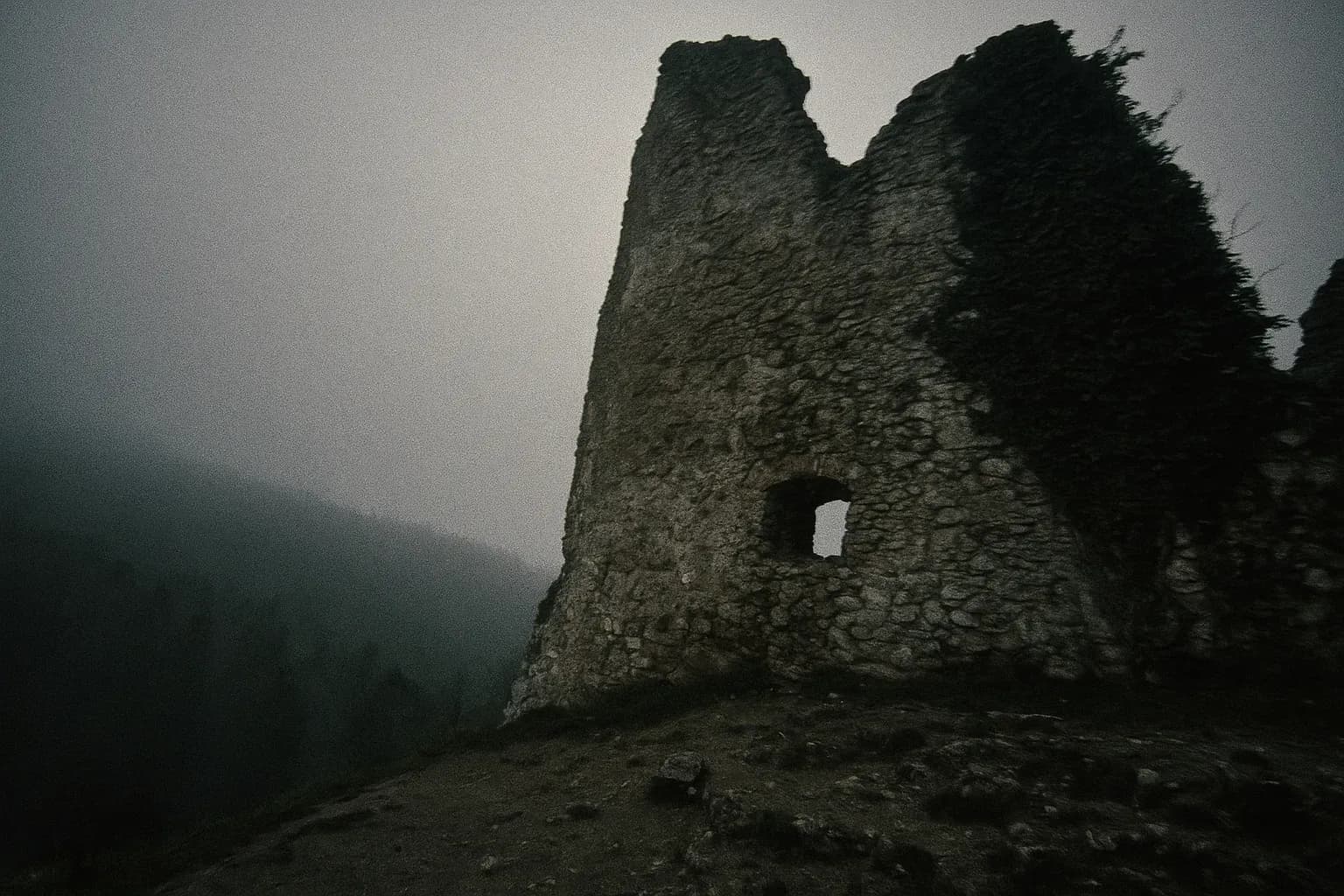
Countess Elizabeth Báthory de Ecsed was arrested on December 29, 1610, at Čachtice Castle in Hungary (now Slovakia) following an investigation ordered by King Matthias II. The charges were extraordinary: torture and murder of young women and girls, potentially numbering in the hundreds. Yet to this day, historians debate whether Báthory was a serial killer or the victim of an elaborate false accusation.
Born on August 7, 1560, Báthory came from one of Hungary's most powerful noble families. She married Ferenc Nádasdy, a prominent military figure, and managed vast estates. According to official accounts, her alleged crimes—beatings, burning, mutilation, starvation, freezing, and other brutal methods—intensified after her husband's death, occurring primarily between 1590 and 1610. The victims were predominantly servant girls aged 10 to 14, lured to the castle under false pretenses of employment.
The investigation that would define Báthory's legacy was led by György Thurzó, the Count Palatine of Hungary and Báthory's own cousin. On December 29, 1610, Thurzó raided the castle and placed Báthory under house arrest. Over the following months, investigators collected depositions from more than 300 witnesses. Physical evidence was reportedly found at the scene—mutilated, dying, and dead victims. One secondhand account claims Báthory herself had listed 650 victims in her papers, though this remains unverified.
Timeline
Alleged crimes begin at Čachtice Castle
According to the accusations, the alleged torture and murder cases began at Čachtice Castle in the Kingdom of Hungary around the year 1590. The date is given as an approximate year.
Alleged crimes cease — investigation launched
The alleged crime period is stated to end around 1610, coinciding with Count Palatine György Thurzó's investigation culminating and leading to intervention at Čachtice Castle.
Trial of servants held in Bytča
In January 1611, Dorottya Szentes, Ilona Jó, János Újváry and Katalin Benicka were prosecuted and convicted in Bytča under the legal authority of the Kingdom of Hungary.
Elizabeth Báthory dies in captivity
Elizabeth Báthory died in 1614 during her lifelong house arrest at Čachtice Castle, without ever having been formally prosecuted. The exact date of death is not known with certainty.
Four of Báthory's servants were tried in 1611. Three were executed: Ilona Jó, János Ficzkó, and Dorottya Szentes. A fourth, Katalin Beneczky, received a life sentence, though she was later released. The servants were convicted on 80 counts of murder. Báthory herself, however, was never formally tried or convicted. Due to her noble status, she was instead confined to bricked-in rooms within the castle, where she died on August 21, 1614, at age 54.
But serious problems with the case have emerged in recent decades. Of the 289 witness statements collected, many were hearsay. More troublingly, the servants were tortured to extract confessions—a common and highly unreliable investigative method of the era. Additionally, many witnesses had financial or political ties to Thurzó, raising questions about their impartiality.
Since the 1980s, some scholars have challenged the official narrative. Historians including László Nagy and Irma Szádeczky-Kardoss have suggested the accusations may have been politically motivated—a means for the Habsburg establishment and Báthory's relatives to seize her vast lands and wealth. Contemporary complaints about Báthory's cruelty, they note, predate the formal investigation and may have originated with rivals like the Lutheran minister István Magyari.
Other scholars, such as Michael Farin, argue the evidence—contemporary testimonies and physical findings at the castle—supports the murder charges. The legend of Báthory bathing in her victims' blood, however, has no verified historical basis and was added to her story long after her death.
The truth remains elusive. What is certain is that Báthory was confined without trial, that her servants were likely tortured, and that the investigation was conducted by a relative with potential motives beyond justice. Whether she was a prolific killer or a convenient scapegoat for powerful men seeking to consolidate power remains one of history's most contested questions.
Sources
https://www.historyhit.com/the-blood-countess-facts-about-elizabeth-bathory/
https://www.britannica.com/biography/Elizabeth-Bathory
https://en.wikipedia.org/wiki/Elizabeth_B%C3%A1thory
https://www.historyextra.com/period/early-modern/elizabeth-bathory-who-crimes-serial-killer/
https://www.biography.com/crime/elizabeth-bathory
Ask about this case
Answers from KrimiNyt's coverage onlyFollow this case
Get an email when a new documentary, podcast or book about Elizabeth Báthory: Mass Murderer or Victim of a Frame-Up? appears, or when a verdict is reached.