Ed Gein: America's Most Depraved Death Cult Criminal
How a Wisconsin grave robber became the blueprint for cinema's greatest killers
Published June 6, 2025
Case Details
Quick Facts
Classification:
Quick facts
Edward Theodore Gein, born August 27, 1906, in Plainfield, Wisconsin, became one of America's most grotesque killers—a man so obsessed with reconstructing his dead mother that he turned to murder and desecration of corpses. Between 1947 and 1952, he made approximately 40 nocturnal visits to three local graveyards, exhuming recently buried bodies and removing human remains with calculated precision.
Gein's grave-robbing spree targeted at least 15 women from incomplete graves, their bodies stripped of skin and bones for a sinister purpose: crafting a "woman suit" to wear. Police later discovered the full extent of his macabre collection—masks fashioned from human skin, belts and vests made from flesh, chair upholstery stuffed with tissue, bedpost skull mounts, and boxes containing noses and nipples preserved in his farmhouse. Remarkably, Gein confessed to these crimes, and investigators corroborated his account by exhuming graves, finding empty caskets and the tools he'd left behind. He denied engaging in necrophilia, claiming the bodies had already decomposed too far.
But grave robbing soon gave way to murder. On December 8, 1954, Gein shot 51-year-old tavern owner Mary Hogan in the head. Her severed head was found in his house. Police notes indicate Gein admitted to the shooting but claimed not to remember the details. Both his victims physically resembled his mother, Augusta Gein, who had died in 1945—the very year his crimes began. Obsessed with "becoming his mother," Gein's delusions had morphed into lethal violence.
Timeline
Edward Gein's birth
Edward Theodore Gein is born in La Crosse, Wisconsin.
Mother's death
Gein's mother Augusta dies. Her death becomes the trigger for his mental breakdown.
Murder of Mary Hogan
Gein shoots tavern owner Mary Hogan in Plainfield. Her disappearance initially remains unsolved.
Murder of Bernice Worden
Gein kills hardware store owner Bernice Worden. This murder leads to his arrest.
Arrest and discovery
Gein is arrested. During the search of his house, investigators discover the full extent of his gruesome deeds.
Conviction
Gein is found guilty of the murder of Bernice Worden, but is judged insane and committed to a psychiatric institution.
Ed Gein's death
Ed Gein dies at the age of 77 at the Mendota Mental Health Institute psychiatric institution in Madison, Wisconsin.
The second murder came three years later. On November 16, 1957, Gein shot hardware store clerk Bernice Worden, 41, with a .32-caliber rifle. Her body was discovered hanging in a shed on his rural farm during the police investigation into her disappearance. Post-mortem mutilations included decapitation, disembowelment, and organ removal.
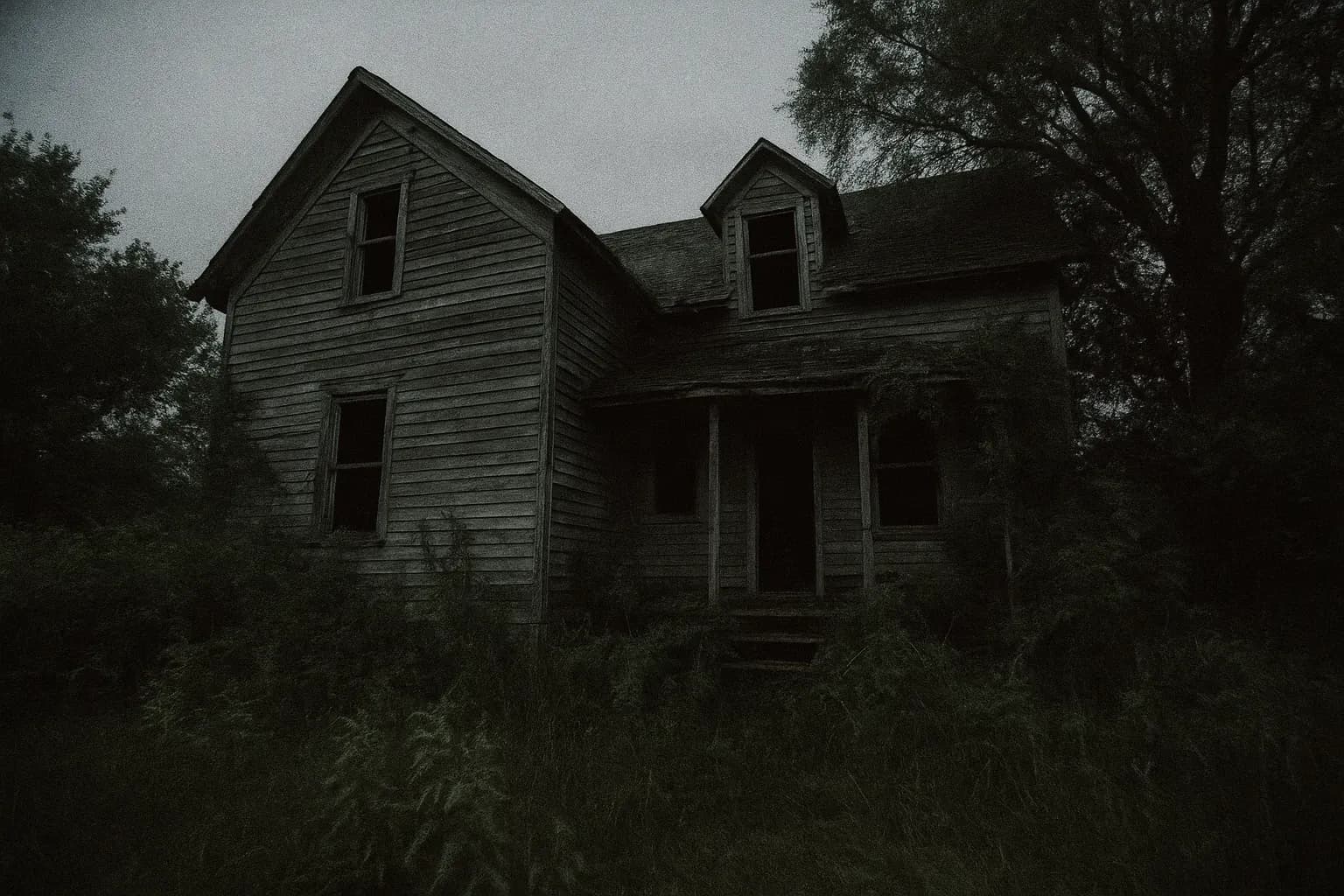
When authorities searched Gein's property that same November day, they entered what would become known as the "house of horrors." The discovery horrified even seasoned investigators: human skulls, body parts preserved in containers, lampshades and furniture constructed from human skin, and Mary Hogan's head among numerous other remains. The farmhouse itself was destroyed by fire of unclear origin in 1958; artifacts were photographed and disposed of by Wisconsin's state crime lab.
Gein was arrested on November 16, 1957, and initially found incompetent to stand trial. He was eventually charged with first-degree murder in the Worden case and stood trial in 1968. Though convicted, he was found not guilty by reason of insanity and committed to Central State Hospital for the Criminally Insane in Waupun, Wisconsin. He was later transferred to Mendota Mental Health Institute in Madison, where he remained institutionalized until his death on July 26, 1984, at age 77.
Gein's crimes transcended local notoriety—they became a cultural touchstone for filmmakers exploring the psychology of serial murder. His case directly inspired some of cinema's most iconic killers: Norman Bates in *Psycho*, Buffalo Bill in *The Silence of the Lambs*, and Leatherface in *The Texas Chain Saw Massacre*. Each character echoed aspects of Gein's pathology: isolation, maternal obsession, and the transformation of human bodies into objects.
Even in death, Gein could not escape public fascination. His grave in a Plainfield-area county cemetery became a macabre tourist attraction, with visitors chipping away at his gravestone. In 2000, it was stolen entirely; it was recovered a year later, and the site now remains unmarked.
Sources: https://www.aetv.com/articles/ed-gein-facts https://en.wikipedia.org/wiki/Ed_Gein https://www.britannica.com/biography/Ed-Gein https://www.alcatrazeast.com/crime-library/serial-killers/edward-theodore-gein/ https://www.ebsco.com/research-starters/history/ed-gein
Ask about this case
Answers from KrimiNyt's coverage onlyFollow this case
Get an email when a new documentary, podcast or book about Ed Gein: America's Most Depraved Death Cult Criminal appears, or when a verdict is reached.