Podcast
•May 8, 2026
Historical crimes become podcast sensation
A new podcast combines spectacular criminal cases with historical analysis, showing how crimes reflect their era
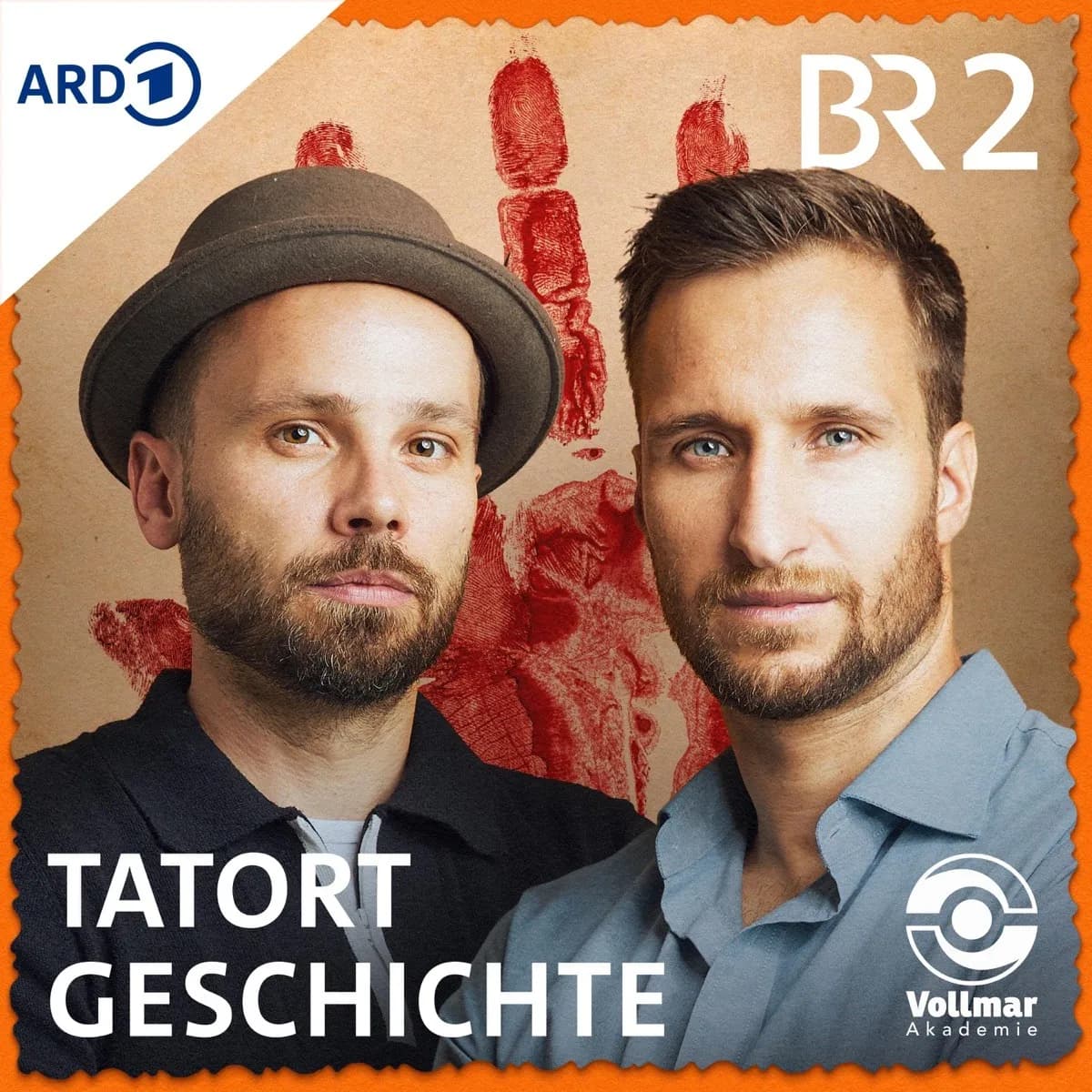
A new podcast series blends classic true crime storytelling with historical analysis, demonstrating how crimes both reflect and shape society. "Tatort Geschichte" explores spectacular criminal cases from German history—from the imperial era through the Weimar period and Nazi era to the post-war period—but not as isolated case descriptions.
The format differs markedly from typical true crime podcasts through its historical-scientific approach. Rather than focusing on current cases like "Tatort Deutschland," this podcast turns its attention to historical epochs. Each crime is examined as both a product and catalyst of its time, making it possible to study social structures, legal systems, and mentalities through dramatic criminal cases.
A murder in the imperial era thus reveals class society and codes of honor, Nazi-era crimes document state terror, while post-war cases uncover breaks and continuities in German history.
The strength lies in combining two booming podcast categories. History podcasts enjoy growing audiences, just as true crime formats regularly dominate podcast charts. "Tatort Geschichte" unites both worlds: the compelling narrative of crimes, investigations, and court cases meets historical contextualization and source work.
Similar projects already exist—for example, "Tatort Baden-Württemberg," which investigates political radicalization as a form of societal violence, or "Tatort Manching," which shows how a current crime—the theft of Celtic gold treasures—acquires historical dimensions.
Episodes range from spectacular murder cases to political assassinations to financial crime. Each period offers characteristic cases: the imperial era with class restrictions and honor codes, the Weimar period with political violence and femicides, the Nazi era with systematic state crime. The Federal Republic provides cases documenting the process of dealing with the past, social liberalization, and organized crime.
A typical episode connects criminal reconstruction with insights into the legal system, investigative methods, and societal responses of the time.
Historical true crime formats contribute both entertainment and education. While current cases like "Tatort Deutschland" engage audiences more emotionally, historical formats offer the advantage of distance and complete resolution—listeners experience not only who the perpetrator was, but also how the case affected legal history and sparked societal debate.
Moreover, these podcasts convey history without dry dates, but through human fates and dramatic turns. Simultaneously, awareness sharpens regarding how much crime and its prosecution depend on societal conditions. "Tatort Geschichte" exemplifies a trend connecting historical learning with entertainment, using fascination with criminal cases to provide deeper insight into the past.
Get an email when a new episode of Historical crimes become podcast sensation is released.