Assassination
From political motive to societal shock – what defines the targeted killing?
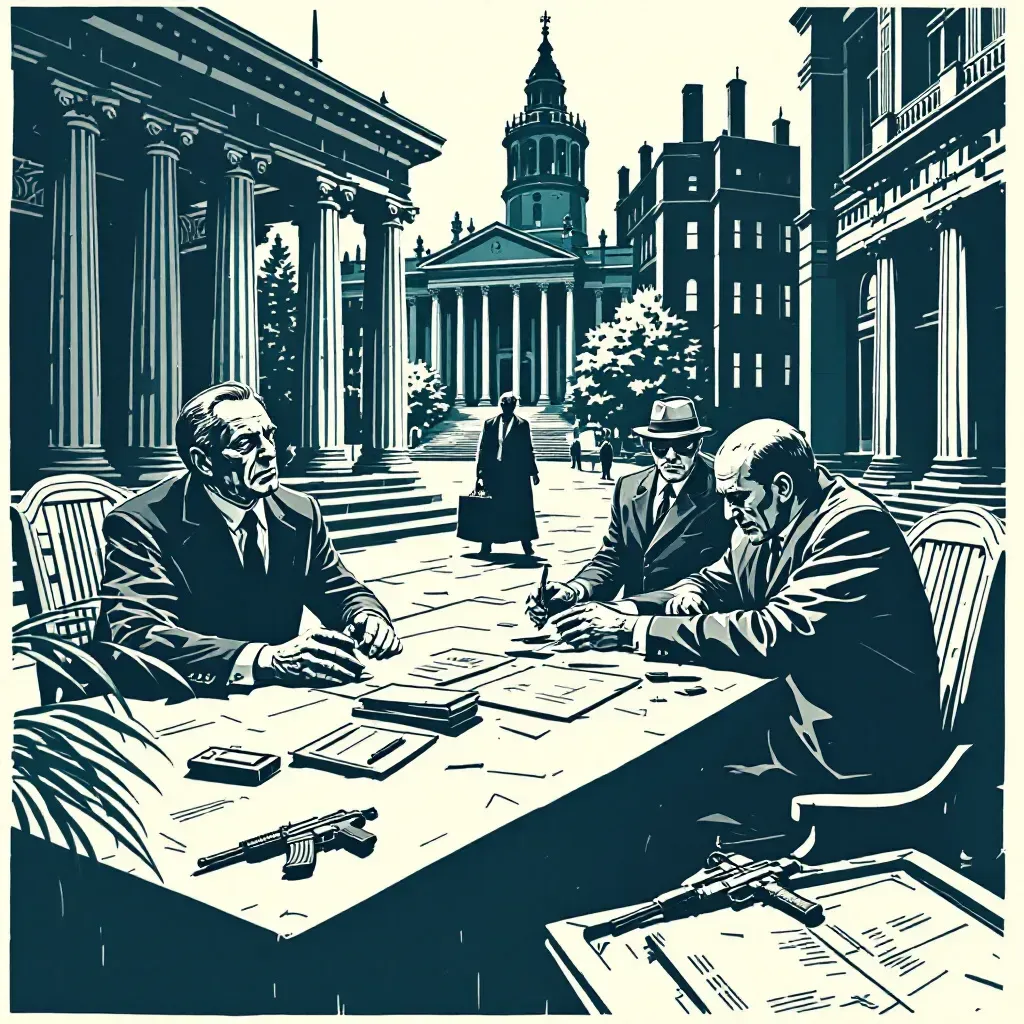
Definition
What distinguishes an assassination from murder? Delve into the political motives, meticulous planning, and society-shattering consequences in true crime.
From political motive to societal shock – what defines the targeted killing?
Planning: What sets an assassination apart from murder?
In true crime and criminology, an assassination is defined as a targeted and typically violent attack, often fatal, directed against a carefully selected individual. The victim is usually a public or prominent figure, targeted because of their status, office, or symbolic value. An assassination differs significantly from ordinary homicide or murder in its meticulous planning and motive. The motives are typically political, ideological, or stem from personal revenge directly related to the victim's public role. This type of attack extends beyond the individual victim and often aims to destabilize society, create fear, or send a strong political message.
Who is behind? Assassination probes reveal more than guilty
Carrying out an assassination usually requires extensive preparation. This can include everything from surveillance of the target and acquisition of weapons or other means, to meticulous planning of the attack itself and a possible escape route. The motives behind an assassination vary widely. It can be driven by a single perpetrator's fanatical conviction, a deeply personal motive of revenge presented as a political act, or it can be the result of a well-organized conspiracy. The purpose may be to eliminate a key figure, intimidate specific groups, or provoke a desired political or social reaction. The subsequent investigation of an assassination, or an attempt thereof, is typically very extensive. The investigation aims not only to identify the individual perpetrator but also to uncover any masterminds, networks, and the underlying motive. This process can often reveal complex societal or political tensions and conflicts.
Assassination impact: Fear, unrest, and consequences
A successful or attempted assassination always leaves a deep impact, not only on those directly involved, but on society as a whole. Such violent acts can shake public order, create widespread fear, lead to political upheaval, and raise fundamental questions about national security, personal protection, and the vulnerability of democracy. This is why understanding assassination as a phenomenon is central to true crime. These cases illuminate one of the most dramatic and potentially history-altering forms of crime, where an individual perpetrator's violent actions take on collective significance and often have far-reaching consequences for society.
How does an assassination unfold in reality? Explore shocking cases of politically motivated attacks and conspiracies – read our in-depth case studies on assassinations below.
Related entries
Read more
The Assassination of Malcolm X — Shooting at the Audubon Ballroom
The assassination of Malcolm X is a 1965 American political murder case in which civil rights leader Malcolm X was shot dead on stage in Manhattan at age 39.
The Georgi Markov Assassination — Cold War Umbrella Murder
Georgi Markov was a Bulgarian dissident writer assassinated in London on 7 September 1978 using a ricin-laced pellet fired from a modified umbrella. He died four days later. No one has been convicted.
The Assassination of Martin Luther King Jr. — Memphis 1968
The assassination of Martin Luther King Jr. is a 1968 American murder case in which civil rights leader King was shot dead at the Lorraine Motel in Memphis by fugitive James Earl Ray.
Related articles
The Assassination of Malcolm X — Shooting at the Audubon Ballroom
The assassination of Malcolm X is a 1965 American political murder case in which civil rights leader Malcolm X was shot dead on stage in Manhattan at age 39.
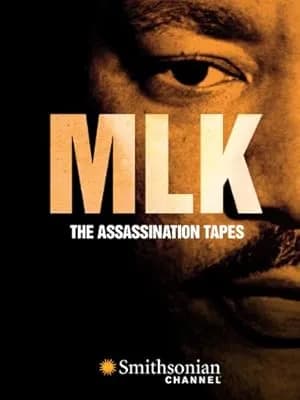
MLK: The Assassination Tapes
MLK: The Assassination Tapes is a 2012 documentary TV movie about the assassination of Dr. Martin Luther King Jr. in Memphis, Tennessee, streaming on Pluto TV.

The Georgi Markov Assassination — Cold War Umbrella Murder
Georgi Markov was a Bulgarian dissident writer assassinated in London on 7 September 1978 using a ricin-laced pellet fired from a modified umbrella. He died four days later. No one has been convicted.

The Assassination of Martin Luther King Jr. — Memphis 1968
The assassination of Martin Luther King Jr. is a 1968 American murder case in which civil rights leader King was shot dead at the Lorraine Motel in Memphis by fugitive James Earl Ray.

Grigori Rasputin
The episode covers Grigori Rasputin, the Russian mystic and faith healer who gained influence over the imperial family before enemies moved to kill him.
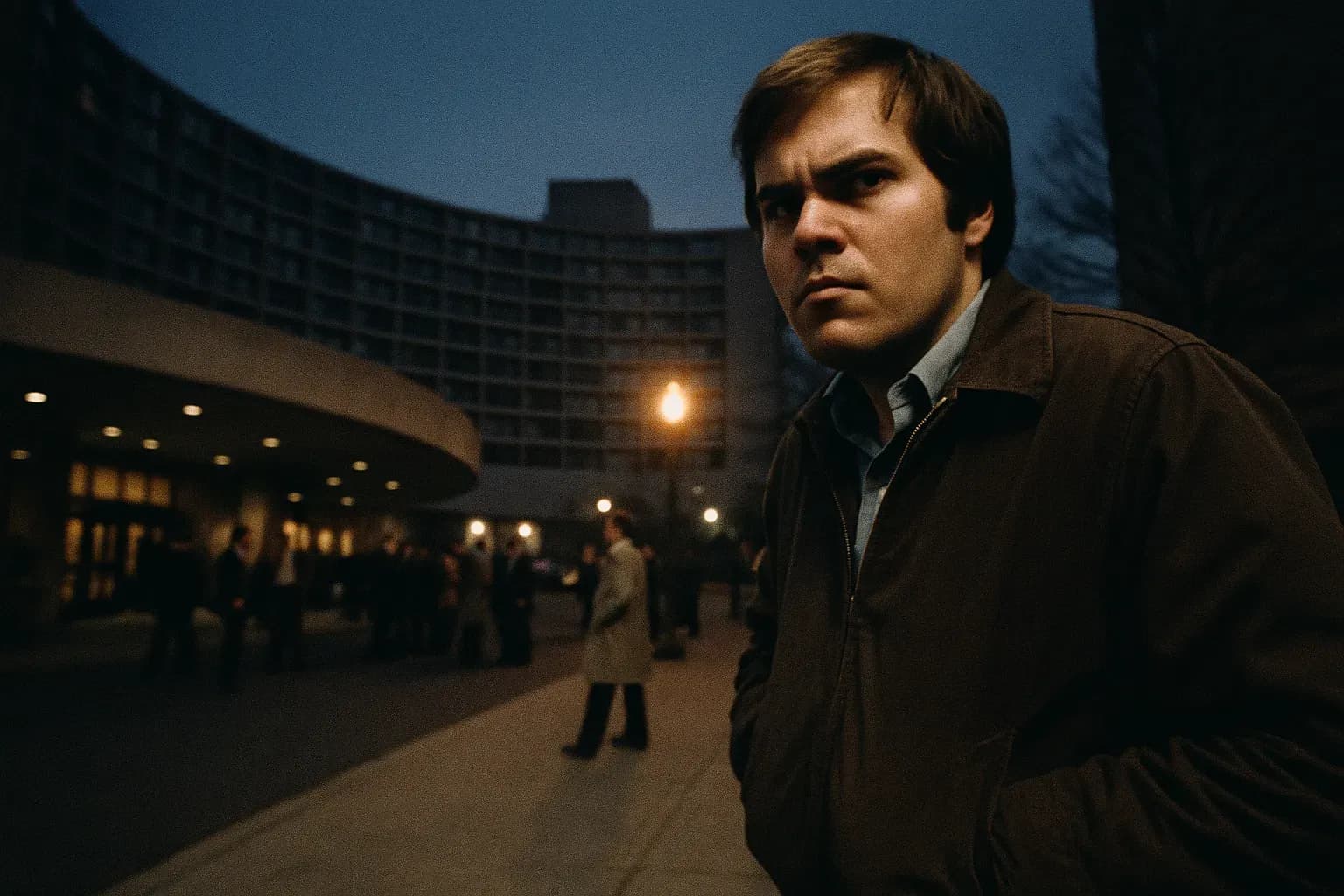
The Shot That Nearly Killed a President
On March 30, 1981, outside the Washington Hilton Hotel, a 25-year-old man fired six shots at President Ronald Reagan. The assassination attempt wounded the president and three others, and set in motion events that would reshape U.S. law and national security policy.
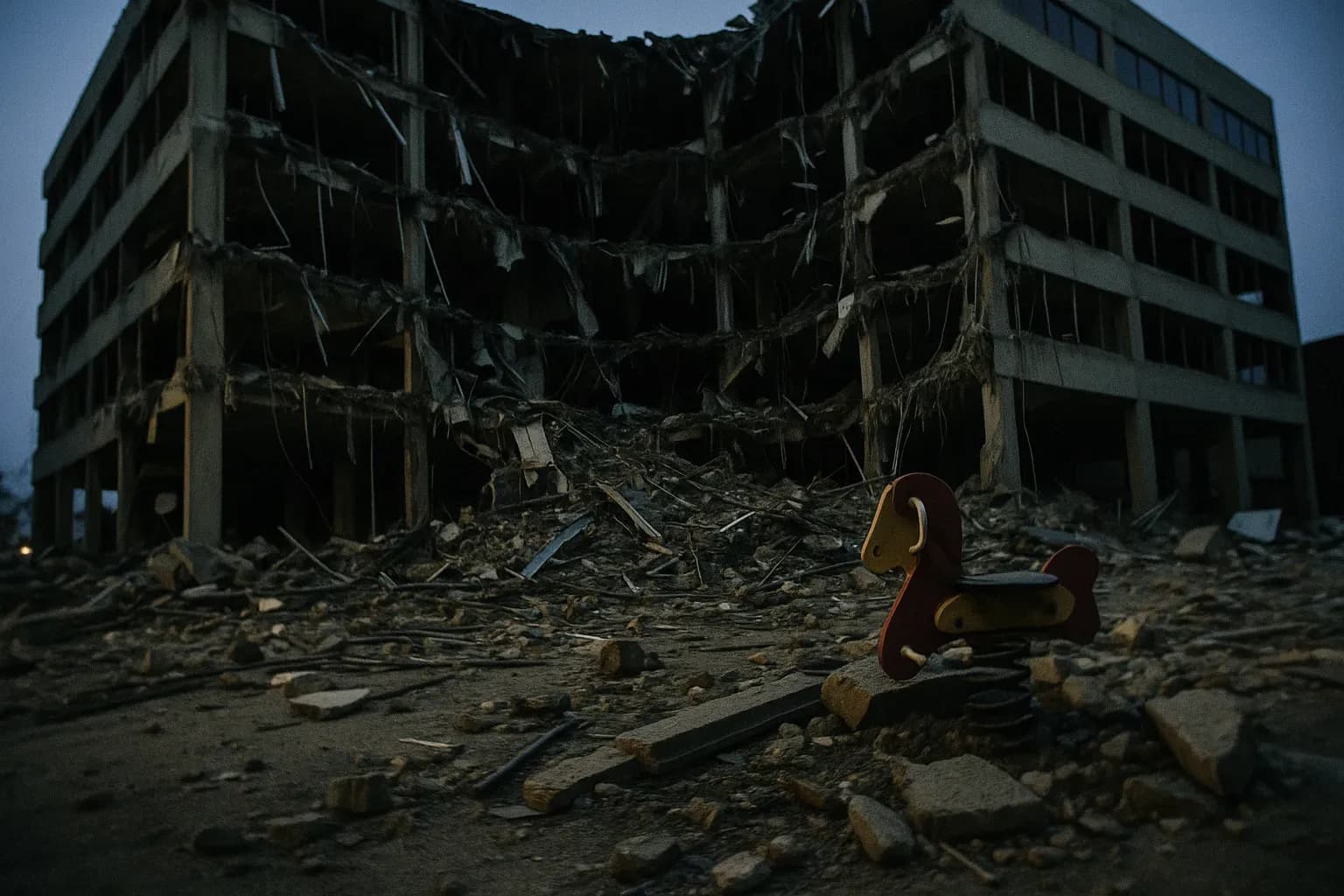
Oklahoma City Bombing: Timothy McVeigh's Deadly Revenge
On April 19, 1995, Timothy McVeigh detonated a truck bomb outside the Alfred P. Murrah Federal Building in Oklahoma City, killing 168 people including 19 children in the deadliest act of domestic terrorism in United States history.

The Sony Hack: North Korea's Cyber Threat to Free Speech
In 2014, entertainment giant Sony was hit by one of the largest cyberattacks ever carried out against a private company, with around 100 terabytes of data stolen. The attack was attributed to North Korea and seen as an attempt to suppress a film's release.