Radicalization
The process leading to violent extremism and terror

Definition
Radicalization: The gradual path to violent extremism. Understand the process, online dangers, and its profound consequences for society and victims.
The process leading to violent extremism and terror
What is radicalization and why a path to violence?
Radicalization, a key concept in true crime, describes the often gradual process by which a person or group adopts and internalizes extreme ideologies. These ideologies can legitimize and motivate violent acts, serious crime, and, in the most extreme cases, terrorism. It is rarely a sudden transformation but rather a development where an individual's worldview narrows significantly, and the distance to society's common norms and values increases dramatically. Understanding this dynamic is crucial in many true crime cases, as it sheds light on how seemingly ordinary people can end up committing heinous crimes in service of a cause they perceive as just or necessary.
Propaganda: What ignites and sustains radicalization?
The process can be fueled by a complex cocktail of personal vulnerabilities, social factors such as isolation or intense group pressure, and strong influence from extremist propaganda. This propaganda is often spread effectively via online platforms, increasing the risk of online radicalization. Once an individual is caught in a radicalized environment, it can be extremely difficult to break free, as echo chambers and like-minded individuals constantly confirm and reinforce extreme beliefs. The consequences of radicalization extend far beyond the direct victims of the violence or terror that may follow; they also inflict deep scars on families and local communities and create widespread fear and mistrust in society as a whole.
From thought to terror: Radicalization's big challenge
Investigating crimes rooted in radicalization poses an enormous challenge for authorities. It requires a delicate balance between identifying potential threats to society and respecting fundamental individual rights. Predicting who will cross the line from extreme thinking to actual violent action is notoriously difficult. A thorough understanding of the complex mechanisms of radicalization is therefore not only crucial for effective investigation and solving committed crimes, including violence and terrorism, but is also essential for long-term efforts to prevent extremism and the tragic consequences it entails.
How does radicalization lead to terror and violence? Delve into real-life cases of Radicalization – find our compelling cases below.
Read more
Mannheim Attack 2024
On May 31, 2024, a knife attack occurred at Marktplatz in Mannheim, Germany, during a demonstration by the right-wing extremist group Die Basis and pro-Palestinian activists. A 25-year-old man of Afghan origin wounded six people, including five police officers present to maintain order at the demonstration.
The Halle Attack 2019
On October 9, 2019, Stephan Balliet, a 27-year-old German right-wing extremist, attacked a synagogue and kebab restaurant in Halle an der Saale with the aim of killing as many people as possible. The attack was stopped by police, but resulted in two deaths and several wounded.
Oklahoma City Bombing: Timothy McVeigh's Deadly Revenge
On April 19, 1995, Timothy McVeigh detonated a truck bomb outside the Alfred P. Murrah Federal Building in Oklahoma City, killing 168 people including 19 children in the deadliest act of domestic terrorism in United States history.
Related articles

Podcast Exposed Ken Jebsen's Radicalization
The prize-winning ARD podcast 'Cui Bono' follows Ken Jebsen's shocking transformation from respected Berlin radio host to conspiracy theory spreader. The series became a bestseller and set new standards for audio journalism.

Mannheim Attack 2024
On May 31, 2024, a knife attack occurred at Marktplatz in Mannheim, Germany, during a demonstration by the right-wing extremist group Die Basis and pro-Palestinian activists. A 25-year-old man of Afghan origin wounded six people, including five police officers present to maintain order at the demonstration.
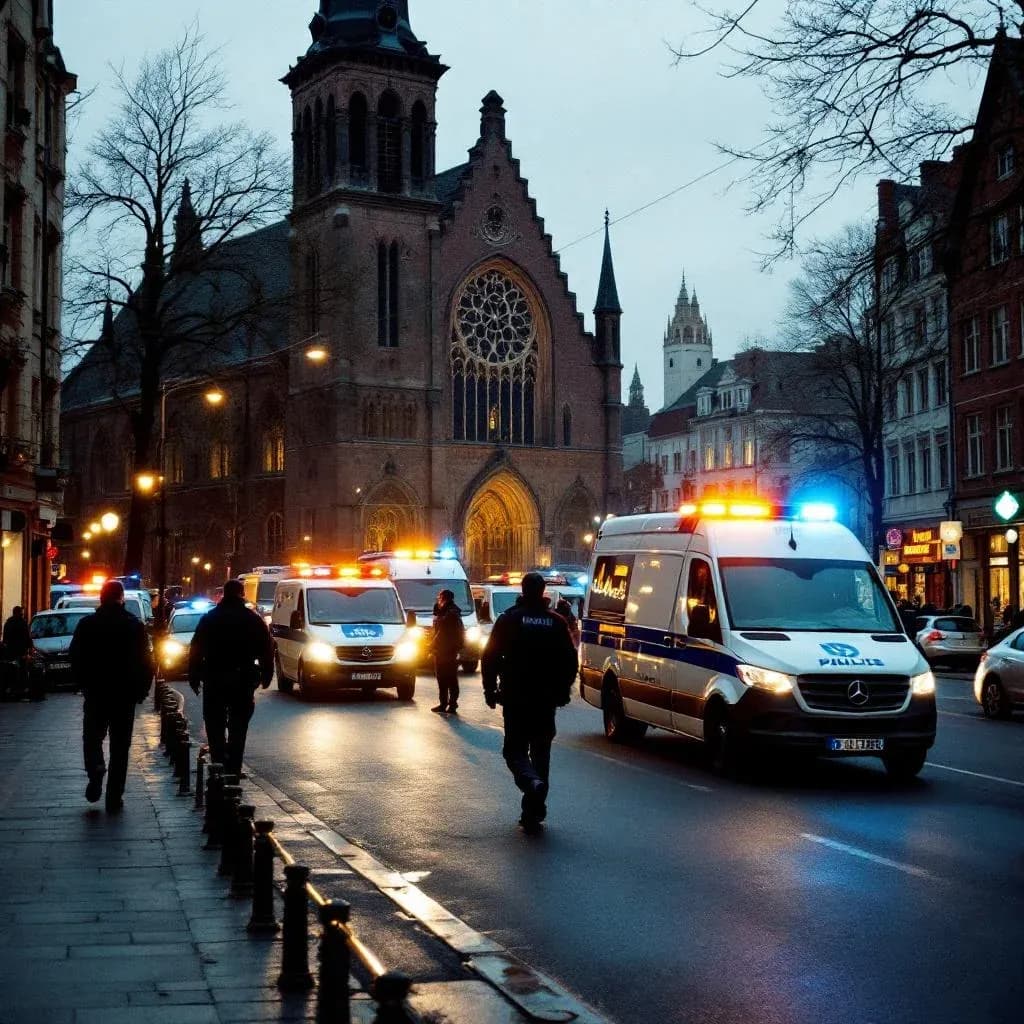
The Halle Attack 2019
On October 9, 2019, Stephan Balliet, a 27-year-old German right-wing extremist, attacked a synagogue and kebab restaurant in Halle an der Saale with the aim of killing as many people as possible. The attack was stopped by police, but resulted in two deaths and several wounded.

The Threat Within: Denmark's Hidden Terror Patterns Exposed
In 2009, journalist Morten Skjoldager published 'The Threat Within', a systematic investigation into how Islamist terror established itself in Denmark. Drawing on rare access to intelligence reports and insider interviews, the book maps radicalization networks among young Muslim men across four landmark Danish terror cases.

War Trauma and Double Murder: New Book on Lars Kragh
In the summer of 2016, 37-year-old Lars Kragh, a veteran of the Balkan Wars, murdered both of his parents in East Jutland, Denmark. A new book by Christensen and Mistrati analyzes how war trauma and PTSD can lead to catastrophic consequences.
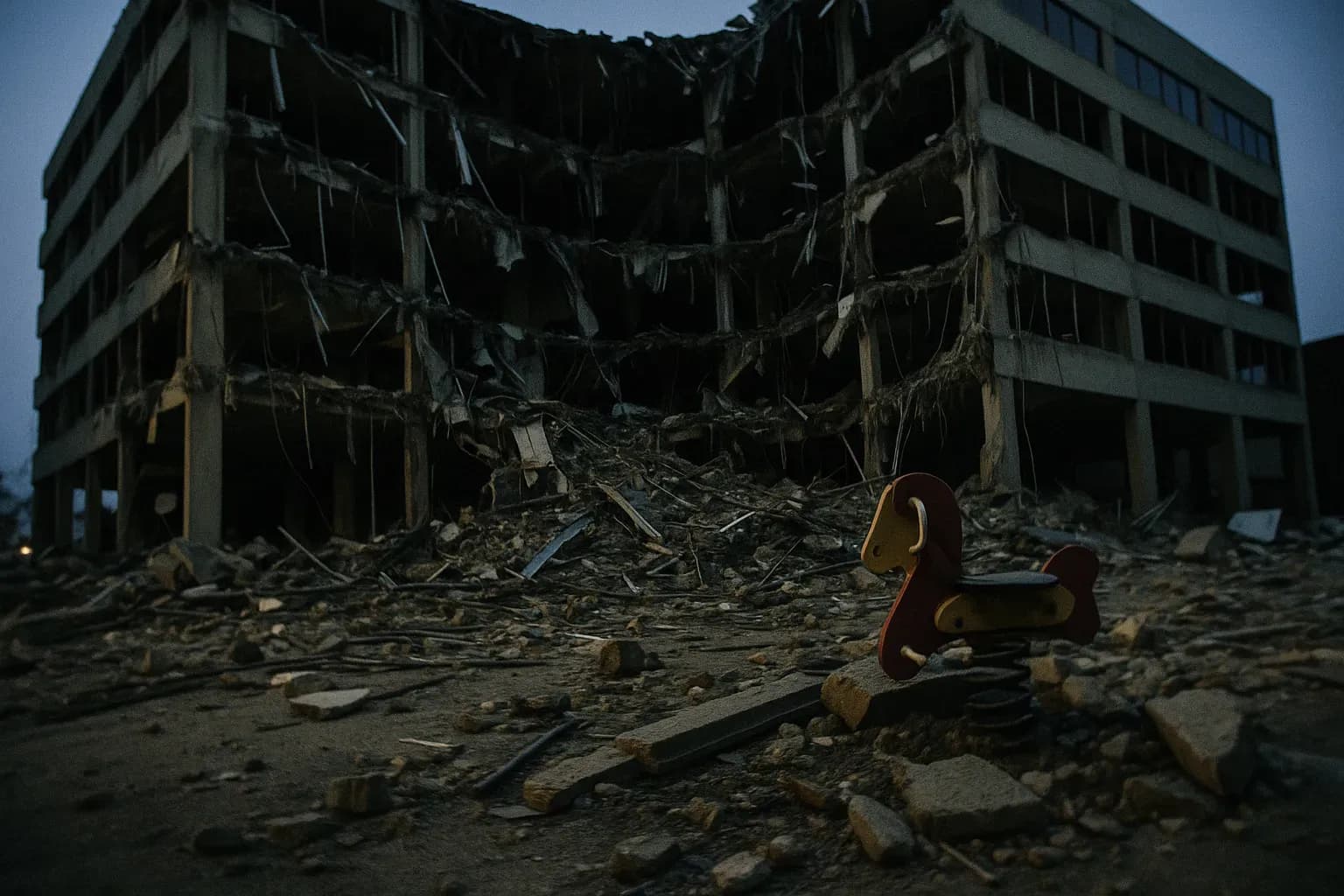
Oklahoma City Bombing: Timothy McVeigh's Deadly Revenge
On April 19, 1995, Timothy McVeigh detonated a truck bomb outside the Alfred P. Murrah Federal Building in Oklahoma City, killing 168 people including 19 children in the deadliest act of domestic terrorism in United States history.