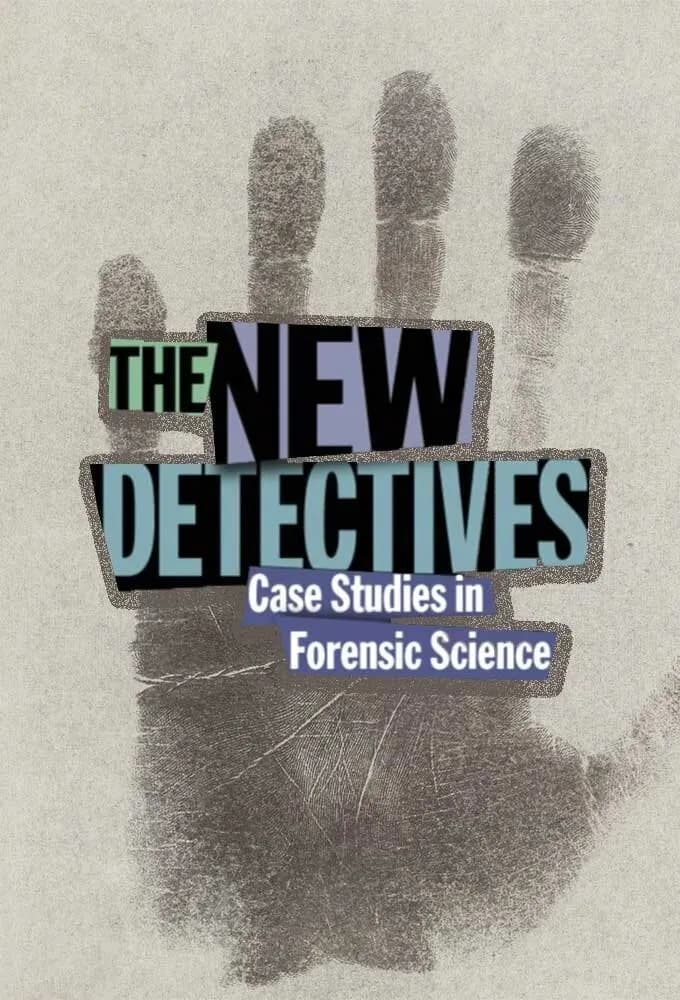
The New Detectives: Case Studies in Forensic Science
Pluto TV / Tubi / Roku, 1996–2005 — real forensic cases solved by science
Quick facts
What Is the Series About?
The New Detectives: Case Studies in Forensic Science is an American episodic docudrama series that premiered on September 15, 1996, and ran for nine seasons and 118 episodes until May 16, 2005. Rather than following a single criminal case, each episode presents a distinct real-life investigation in which forensic science — DNA analysis, bite mark examination, autopsy reconstruction, and crime scene pattern analysis — played a decisive role in identifying perpetrators and securing convictions. The series is widely regarded as one of the foundational true crime programs that brought forensic methodology into mainstream American television culture.
The show is currently available to stream free on platforms including Pluto TV, The Roku Channel, Tubi, Plex, and Samsung TV Plus, making it one of the most accessible long-form forensic documentary series in the current streaming landscape. Full episode marathons can also be found on YouTube.
---
The Cases
Because The New Detectives covers dozens of distinct real criminal investigations across its run, no single perpetrator or victim defines the entire series. Two of the most notable cases featured are detailed below.
Case A: The Hillside Stranglers (Season 4)
Perhaps the most notorious case featured in Season 4 of the series, the Hillside Stranglers murders remain one of Los Angeles' most chilling serial killing sprees. Between October 1977 and February 1978, cousins Kenneth Bianchi (born 1951) and Angelo Buono Jr. (born 1934) abducted, raped, and murdered 10 women and girls ranging in age from 14 to 42 across the Hillside area of Los Angeles, California. Victims included Karen Spence, Lisa Levy, and Margaret Hall, among others.
The investigation was a landmark in American forensic history. Detectives linked the killings through crime pattern reconstruction, forensic DNA evidence, and bite mark analysis — techniques that were still relatively novel at the time. The case broke when Bianchi was arrested in Washington State in 1979 for two additional murders. He ultimately confessed and agreed to testify against Buono in exchange for a reduced sentence.
In 1983, both men were convicted of 10 counts of murder. Each received 10 consecutive life sentences. Angelo Buono died at Mule Creek State Prison, California, on September 16, 2002, before his parole eligibility date of 2024. Kenneth Bianchi remains incarcerated at Folsom State Prison and is not eligible for parole until 2034.
Case B: The Death of Aby Nibauer (Season 7, Episode 9)
The second prominently verified case covered in the series is that of Aby Nibauer, a 42-year-old poet who died on April 14, 1996, in California. Her husband, James Nibauer — a former detective himself — staged her death to appear accidental, exploiting his insider knowledge of law enforcement procedures in an attempt to evade suspicion.
The case unraveled when inconsistencies in the accident report were flagged during follow-up investigation. Forensic DNA evidence and a re-examined autopsy ultimately proved that Aby had been killed by blunt force trauma, not an accident. James Nibauer confessed after the evidence was presented at trial.
In 1999, James Nibauer was sentenced to 25 years to life for murder. He was released from prison in 2022 after serving 23 years, and reportedly resides in California.
---
Production
The New Detectives was produced under the executive direction of David G. Brown, who served as the primary guiding force behind the series across its nine-season run. The format combined real case files with dramatic reenactments, expert interviews, and narration designed to walk viewers through the forensic process step by step — from crime scene discovery through laboratory analysis and courtroom conviction.
The series leaned heavily on access to world-renowned forensics experts, whose on-camera explanations gave the show a sense of scientific credibility that distinguished it from more sensationalized true crime programming of the era. Some scenes were reenacted due to the sensitive nature of the crimes depicted, a production choice noted in viewer advisories throughout the series' run.
The show's longitudinal format — covering cases spanning decades of American criminal history — allowed producers to revisit cases where new forensic technologies had recently unlocked stalled investigations, giving the series both historical depth and contemporary urgency. For broader context on how forensic case studies operate, resources like the NIJ's Just Science podcast illustrate the kind of expert-driven methodology the show championed.
---
Reception
The New Detectives holds an IMDB rating of 7.6/10 based on more than 1,200 user reviews, reflecting sustained appreciation from true crime audiences well beyond the show's original broadcast run. Critics and viewers alike praised the series for its "excellent forensic storytelling" and its commitment to presenting real cases solved through verifiable scientific methods rather than dramatized speculation.
The use of reenactments drew some criticism from viewers who felt certain scenes required stronger content advisories, particularly in episodes depicting sexual violence or crimes against minors. However, no significant public controversy emerged around the series, and its reputation among forensic science enthusiasts remains strong.
The show is frequently cited as one of the programs that helped legitimize forensic science as compelling television subject matter — paving the way for later blockbuster franchises such as CSI and Forensic Files. Its nine-season run and 118-episode catalogue attest to an audience appetite that never waned throughout its broadcast life.
---
The Cases Today
The real-world afterlives of the cases featured in The New Detectives vary considerably. In the Hillside Stranglers case, Kenneth Bianchi remains behind bars at Folsom State Prison with no parole eligibility until 2034. Angelo Buono died in custody in 2002, meaning neither man lived to see meaningful freedom restored.
In the Aby Nibauer case, James Nibauer — despite receiving a 25-years-to-life sentence — was released in 2022 after serving 23 years. His release has drawn renewed attention to the case online, particularly among true crime communities rediscovering the episode through streaming platforms.
More broadly, the forensic techniques showcased throughout the series have continued to evolve dramatically since the show's final episode in 2005. DNA analysis methods, digital forensics, and cold case review units have together resolved hundreds of cases that once appeared unsolvable — a legacy consistent with the educational mission The New Detectives set out to fulfill nearly three decades ago. For a broader look at how modern DNA methods continue to crack cold cases, Forensics Colleges' overview of 10 cold cases solved provides useful context on the field the series helped popularize.