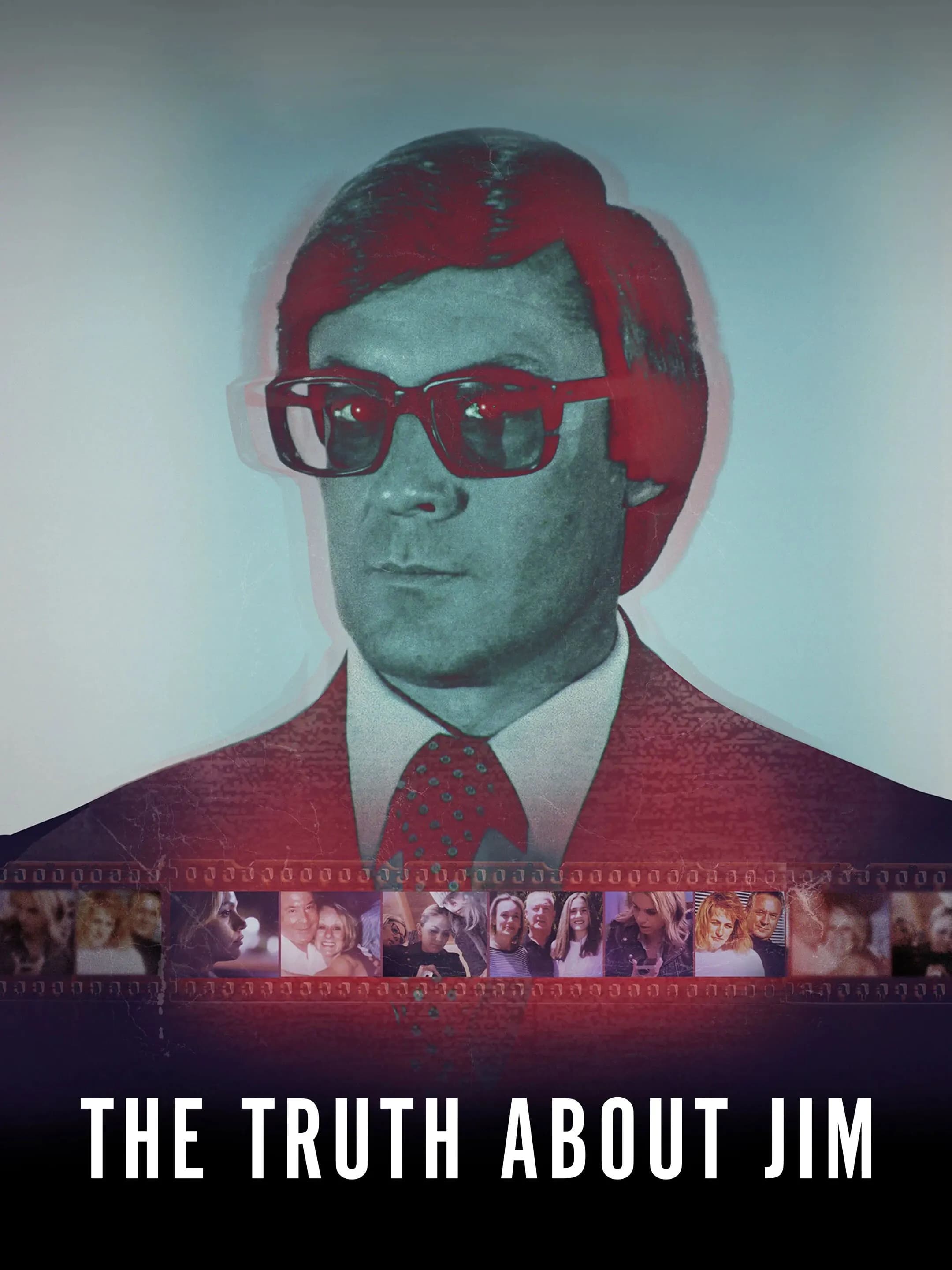
The Truth About Jim
HBO Max, 2024 — investigating whether Jim Mordecai was the Santa Rosa Hitchhiker Killer
Quick facts
What Is the Series About?
*The Truth About Jim* is a four-episode Max original documentary series that investigates one of the most unsettling questions a family member can face: could someone you loved be a serial killer? Released on February 15, 2024, and directed by Skye Borgman, the series follows Sierra Barter as she digs into the history of her step-grandfather, Jim Mordecai — a man once regarded as a respected teacher and community figure in the San Francisco Bay Area — and asks whether he may have been responsible for the notorious Santa Rosa Hitchhiker Murders in California.
The series is not simply a cold-case investigation. It is also a deeply personal reckoning. As Barter peels back layers of family history, the series surfaces allegations of physical abuse, sexual assault, and rape connected to Mordecai, turning what begins as a murder mystery into a broader examination of how predatory behavior can hide in plain sight behind a respectable public facade.
The Case
The Santa Rosa Hitchhiker Murders refer to a series of killings of young women and girls in Sonoma County, California, primarily during the early 1970s. The victims were found in remote areas around Santa Rosa, and despite decades of law enforcement effort, the cases have never been officially solved, nor has any perpetrator been formally charged or convicted in connection with all of the murders.
According to Wikipedia's overview of the series, The Truth About Jim centers on the question of whether Jim Mordecai — Sierra Barter's step-grandfather — was the man responsible for these killings. Mordecai had presented himself publicly as a model citizen: a teacher and community member in the Bay Area. But the documentary argues that behind that image lay a history of violence and sexual predation that Barter and others in her family experienced firsthand.
The series does not present a courtroom resolution. According to available sources, Mordecai was never convicted of the Santa Rosa murders, and the documentary frames the central question as an open investigation rather than a proven conclusion. Mordecai is noted in coverage as deceased, meaning he can no longer face criminal prosecution even if new evidence were to emerge. The documentary therefore functions as both a personal truth-seeking exercise and a public act of accountability — naming a man who, according to the filmmakers and Barter, may have escaped justice entirely.
The allegations of abuse and sexual violence documented in the series add another dimension to the case. Even setting aside the murder allegations, the portrait of Mordecai that emerges from The Truth About Jim is one of a man who caused serious, documented harm to people within his own family and social circle over many years.
Production
The series was announced and released by Max as a Max Original Documentary, produced for HBO Max and debuting on February 15, 2024. The director, Skye Borgman, is a filmmaker with experience in the true-crime documentary space, known for blending emotional intimacy with rigorous investigative structure.
Reviewers at Bloody Disgusting noted that the series sits squarely in Borgman's wheelhouse, combining a serial-killer cold-case investigation with a family self-discovery narrative — a format that allows the documentary to function simultaneously as a crime investigation and a character study of both the alleged perpetrator and the family members he left behind. The four-episode structure gives the series room to develop both the personal and investigative threads without feeling rushed, though it also means the audience must sit with the discomfort of an unresolved conclusion.
Sierra Barter is the documentary's central on-screen presence, serving as both subject and investigator. Her position as a family insider gives the series an unusual intimacy — she is not a journalist parachuting into someone else's trauma, but a person working through her own.
Reception
*The Truth About Jim* holds an IMDb rating of **5.0/10**, suggesting a divided audience response. The middling score likely reflects the tension inherent in the series' structure: it raises serious allegations against a deceased man who cannot respond or defend himself, and it ultimately does not deliver the definitive courtroom resolution that many true-crime viewers expect.
Critical reception was more nuanced. Heaven of Horror reviewed the series as a four-part true-crime docuseries that effectively investigates both the abuse history and the possible serial-killer connection, noting the emotional weight the subject matter carries. Bloody Disgusting positioned the series as ambitious work in the true-crime genre, praising Borgman's ability to hold together both the investigative and personal strands of the story.
The central controversy surrounding The Truth About Jim is, inevitably, the core allegation itself. Naming a deceased man as a possible serial killer — without a conviction, and in the absence of a trial — raises ethical questions about documentary filmmaking, the rights of the accused, and the responsibilities of platforms like Max when amplifying such claims. Supporters of the series argue that Sierra Barter's firsthand testimony and the investigative work presented give the allegations credibility and that public accountability for alleged predators should not end at death. Critics may argue that the absence of a conviction demands more epistemic caution than the series consistently demonstrates.
The Case Today
As of the series' release in early 2024, the Santa Rosa Hitchhiker Murders remain officially unsolved. No charges were ever filed against Jim Mordecai in connection with the killings, and his death forecloses the possibility of a criminal proceeding. Whether law enforcement agencies in Sonoma County have re-examined Mordecai as a suspect in light of the documentary's claims is not confirmed in available sources.
What the series has unquestionably accomplished is placing Mordecai's name in the public record alongside both the abuse allegations and the murder investigation, ensuring that his story — and the questions it raises — will remain part of the ongoing public conversation about the Santa Rosa Hitchhiker Murders and about how communities fail to protect people from abusers hiding behind respectable identities.