Fake Doctor's pH 'Miracle' Cure Left Global Trail of Deaths
How Robert O. Young Built a Million-Dollar Fraud Preying on Cancer Patients
Quick facts
Robert O. Young never attended medical school. He held no licenses, no certifications, and no legitimate credentials of any kind. Yet for years, the self-proclaimed "Dr." Young built a multimillion-dollar international business selling treatments he claimed could cure cancer, diabetes, and virtually any serious illness—all centered around the pseudoscientific concept of alkaline pH balance.
A new Investigation Discovery documentary series, 'Death by Detox?', premiering January 12, 2026, exposes how Young's fraudulent operation preyed on some of society's most vulnerable people: patients with terminal diagnoses who had exhausted conventional medical options and were willing to try anything for hope.
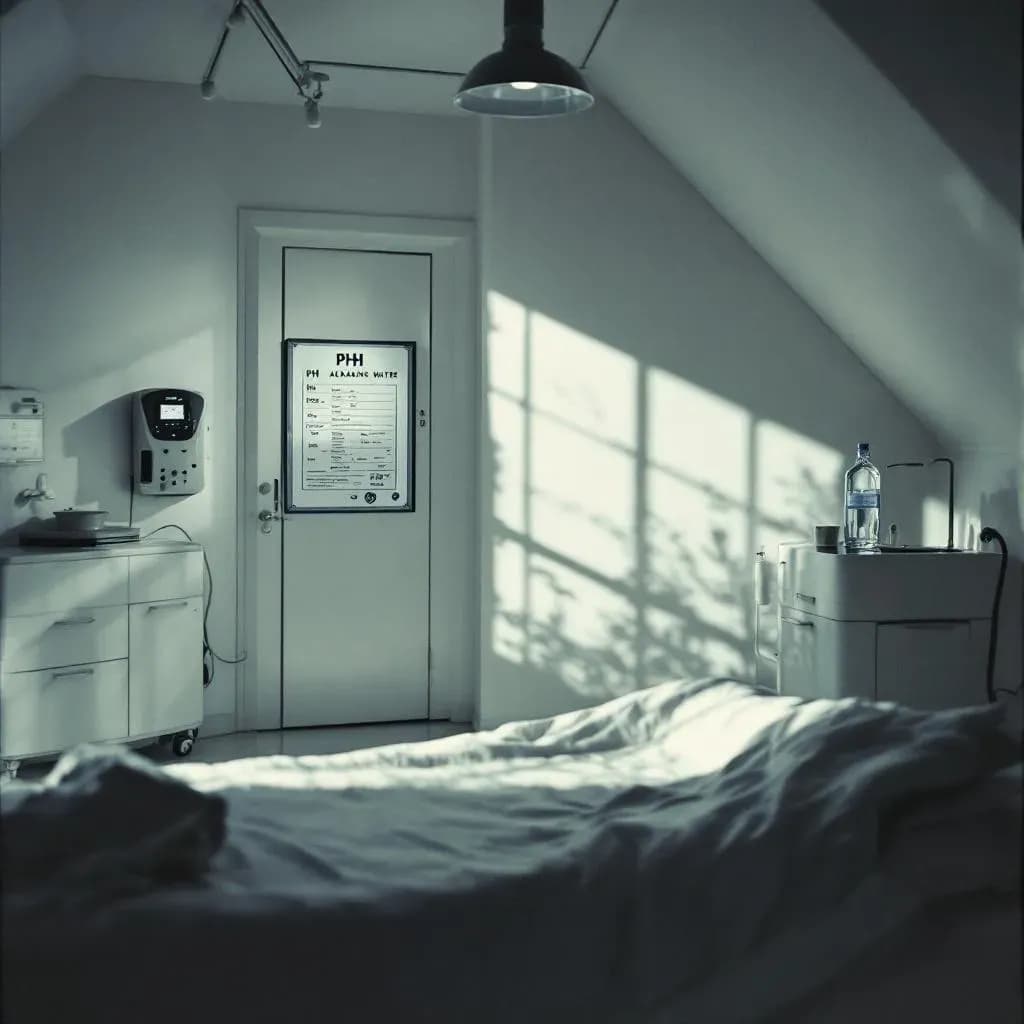
Young's scheme was deceptively simple. He marketed treatments under the brand "pH Miracle," offering extreme dietary protocols, intravenous infusions, and other interventions with no scientific basis. Patients paid thousands of dollars for these services, traveling internationally to clinics where Young and his associates administered treatments that had never undergone rigorous medical testing. Young's use of celebrity endorsements—a common tactic in medical fraud—lent false credibility to his operations, making vulnerable patients believe they were accessing cutting-edge wellness therapy rather than dangerous pseudoscience.
The consequences proved catastrophic. Patients' conditions deteriorated. Some died. Families discovered too late that their loved ones had not only been financially exploited but physically harmed by Young's interventions. The documentary series features interviews with bereaved relatives confronting the reality that they lost their family members to a con artist masquerading as a healer.
Young's case reflects a broader global problem: the exploitation of patients at their most desperate. Unlike scandals confined to a single country, his operation spanned continents, demonstrating how the internet and international travel have enabled medical fraudsters to cast wider nets than ever before. Patients from Europe, North America, and beyond were drawn into his orbit, each believing they had found salvation.
The case raises uncomfortable questions about medical regulation and consumer vulnerability. How did one unqualified individual manage to operate clinics, treat patients, and accumulate millions without facing swift legal intervention? The answer lies partly in the jurisdictional complexity of modern fraud—Young's operations crossed borders, involved multiple clinics, and leveraged digital marketing, making it difficult for any single regulatory body to shut him down quickly.
For Scandinavian audiences, the Young case carries particular resonance. While Nordic countries maintain rigorous medical oversight and public trust in healthcare systems remains strong, the case demonstrates that even sophisticated, educated populations can fall victim to medical fraud when facing desperate health circumstances. The documentary's investigation into how Young gained traction in a world of evidence-based medicine offers cautionary lessons about the seductive power of false hope.
The 'Death by Detox?' series arrives at a time of heightened awareness around wellness fraud and alternative medicine's role in delaying legitimate treatment. Medical organizations worldwide have warned that patients who abandon proven therapies for unproven alternatives often experience worse outcomes—a reality the documentary lays bare through the testimony of those who suffered its consequences.
As criminal justice and healthcare systems grapple with how to prevent similar schemes, the investigation into Young's operation underscores a critical truth: desperation is a powerful marketing tool, and those willing to exploit it can build empires—at least temporarily—on the backs of the dying.