Hostages
From bargaining chip to victim – understand the dynamics of hostage-taking

Definition
Who are hostages in true crime? Understand the definition, the desperate motives behind these acts, and why these cases push police and victims to their limits.
From bargaining chip to victim – understand the dynamics of hostage-taking
What does it mean to be a hostage in crime?
Within true crime, the term 'hostages' refers to individuals held against their will, often to compel a third party—such as police, authorities, or relatives—to meet the perpetrator's specific demands. These individuals involuntarily become the center of a desperate and often life-threatening situation, where their freedom and safety are used as direct bargaining chips or pressure tactics during their captivity. A hostage situation is characterized by extreme psychological pressure on all parties involved, especially the hostages themselves, who must endure constant fear and uncertainty about their fate.
Ransom to pressure: What drives hostage drama actor?
The motives behind a hostage-taking can vary significantly. They can include demands for ransom, an attempt to secure escape after another crime, political demonstrations, sheer extortion, or even a desperate cry for attention. Regardless of the underlying motive, hostage-taking ranks among the most tense and unpredictable scenarios in serious crime, often referred to as a hostage drama. For police investigators and specialized tactical units, these situations pose an extremely complex challenge. The primary goal is always to secure the safe release of the hostages, which often requires intense police negotiations under immense time pressure and high risk. True crime stories involving hostages and hostage-takings often focus precisely on this nerve-wracking balancing act, the victims' survival instincts during their captivity, and the difficult ethical and tactical dilemmas faced by authorities during an investigation.
More than crime: Understand the gravity of hostage-taking
Understanding the dynamics of a hostage situation is crucial to grasping the depth of human tragedy and serious criminality that a hostage drama represents. The act of taking hostages itself is a heinous crime that places innocent lives in imminent danger. The consequences often leave deep psychological scars on the direct victims of this form of captivity and affect society as a whole. This underscores the phenomenon's enduring relevance and gravity within both criminology and the true crime genre.
From bank robberies to political dramas: How does hostage-taking unfold in reality? Delve into the most gripping hostage cases below.
Read more
Four Americans Kidnapped by Gulf Cartel in Mexico
Four Americans were kidnapped in Matamoros, Mexico on March 3, 2023, after being mistaken for Haitian drug smugglers by members of the Gulf Cartel. Two of the victims were killed, while two survived. The Gulf Cartel itself moved to apprehend five of its own suspected members.
The Shot That Nearly Killed a President
On March 30, 1981, outside the Washington Hilton Hotel, a 25-year-old man fired six shots at President Ronald Reagan. The assassination attempt wounded the president and three others, and set in motion events that would reshape U.S. law and national security policy.
America's $500M Art Heist Remains Unsolved After 36 Years
On March 18, 1990, two men posing as police officers executed what the FBI calls history's largest known art theft at Boston's Isabella Stewart Gardner Museum. Thirteen masterpieces worth approximately $500 million vanished in a single night—and have never been recovered.
Related articles
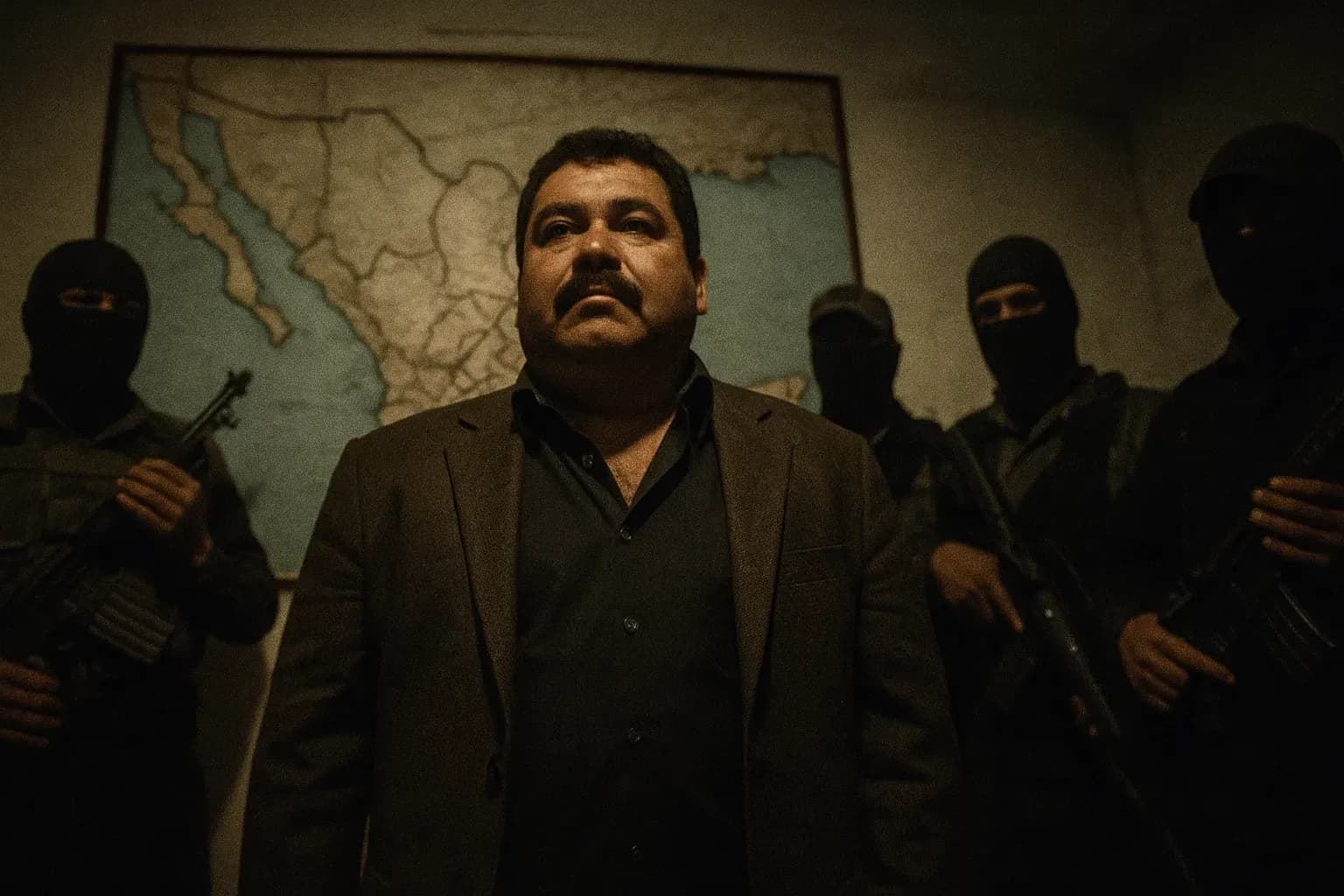
Four Americans Kidnapped by Gulf Cartel in Mexico
Four Americans were kidnapped in Matamoros, Mexico on March 3, 2023, after being mistaken for Haitian drug smugglers by members of the Gulf Cartel. Two of the victims were killed, while two survived. The Gulf Cartel itself moved to apprehend five of its own suspected members.
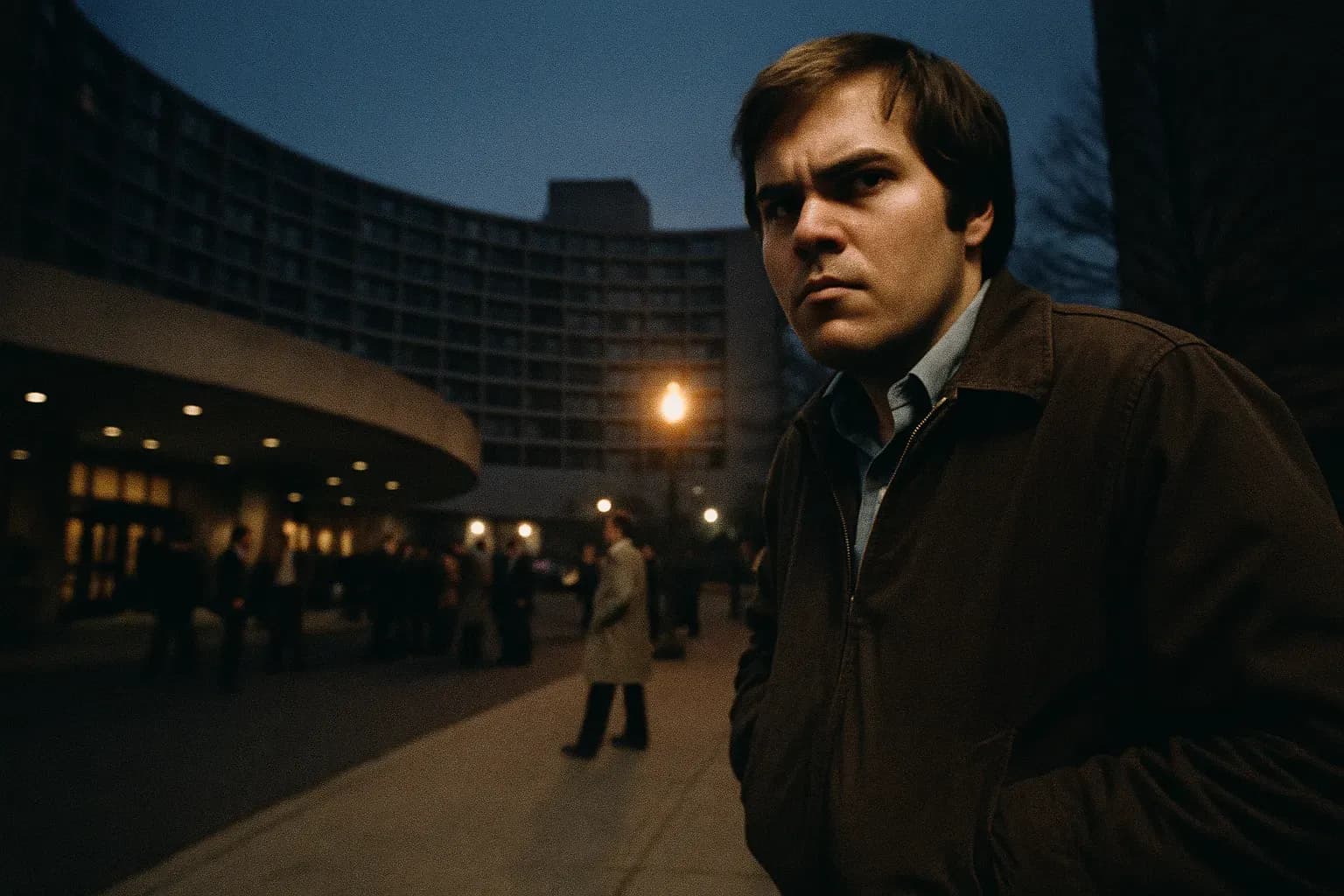
The Shot That Nearly Killed a President
On March 30, 1981, outside the Washington Hilton Hotel, a 25-year-old man fired six shots at President Ronald Reagan. The assassination attempt wounded the president and three others, and set in motion events that would reshape U.S. law and national security policy.

America's $500M Art Heist Remains Unsolved After 36 Years
On March 18, 1990, two men posing as police officers executed what the FBI calls history's largest known art theft at Boston's Isabella Stewart Gardner Museum. Thirteen masterpieces worth approximately $500 million vanished in a single night—and have never been recovered.

Five robbers attacked Kim Kardashian in Paris
Kim Kardashian was attacked and robbed at a luxury apartment in Paris in the early hours of October 3, 2016. Five men, some disguised as police officers, stormed her room and stole jewelry worth around nine million euros.
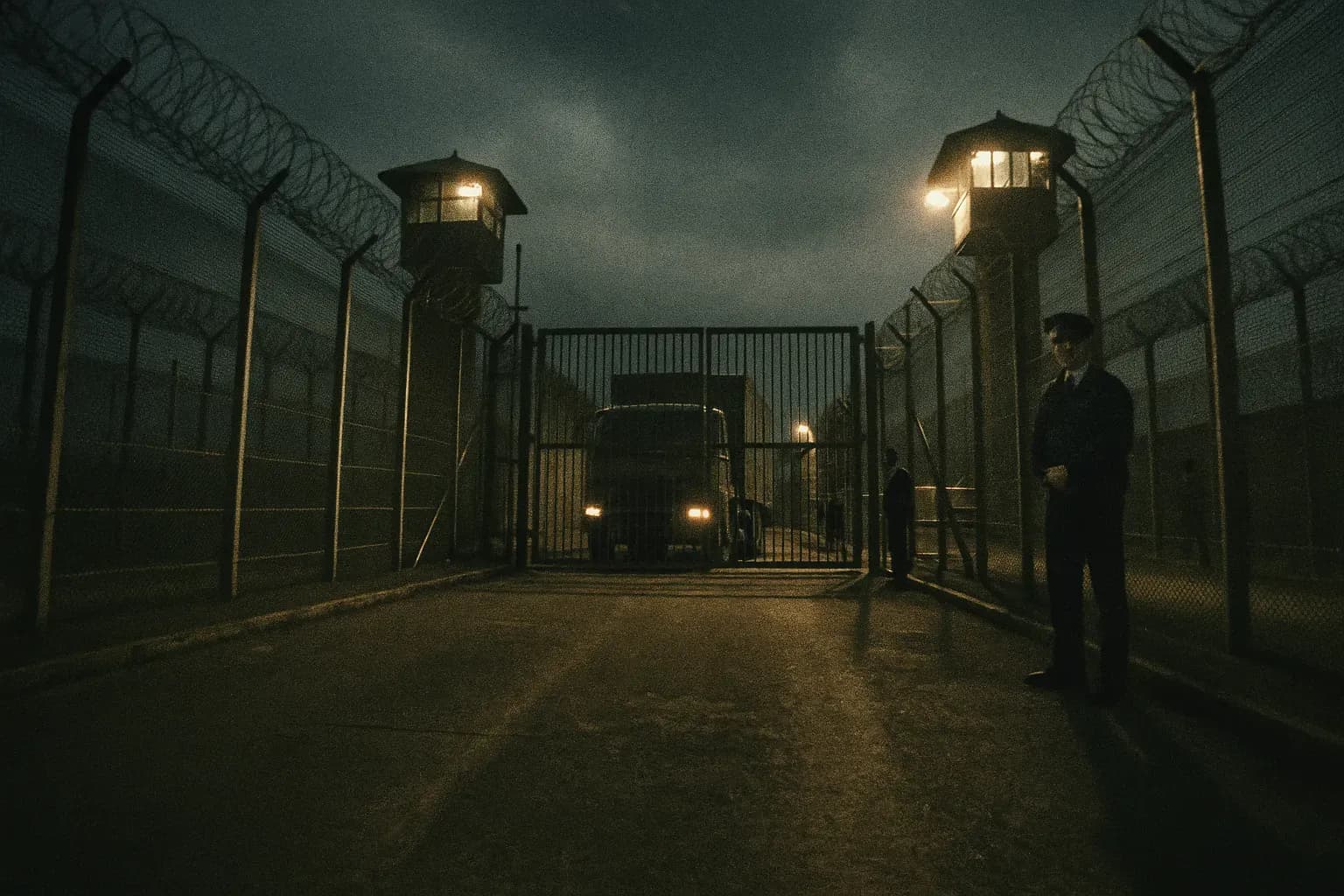
The Maze Prison Escape: Europe's Largest Jailbreak
On September 25, 1983, 38 Provisional IRA prisoners executed a coordinated escape from HM Prison Maze in Lisburn, Northern Ireland—the largest prison breakout in British and Irish history and the biggest in Europe since World War II.
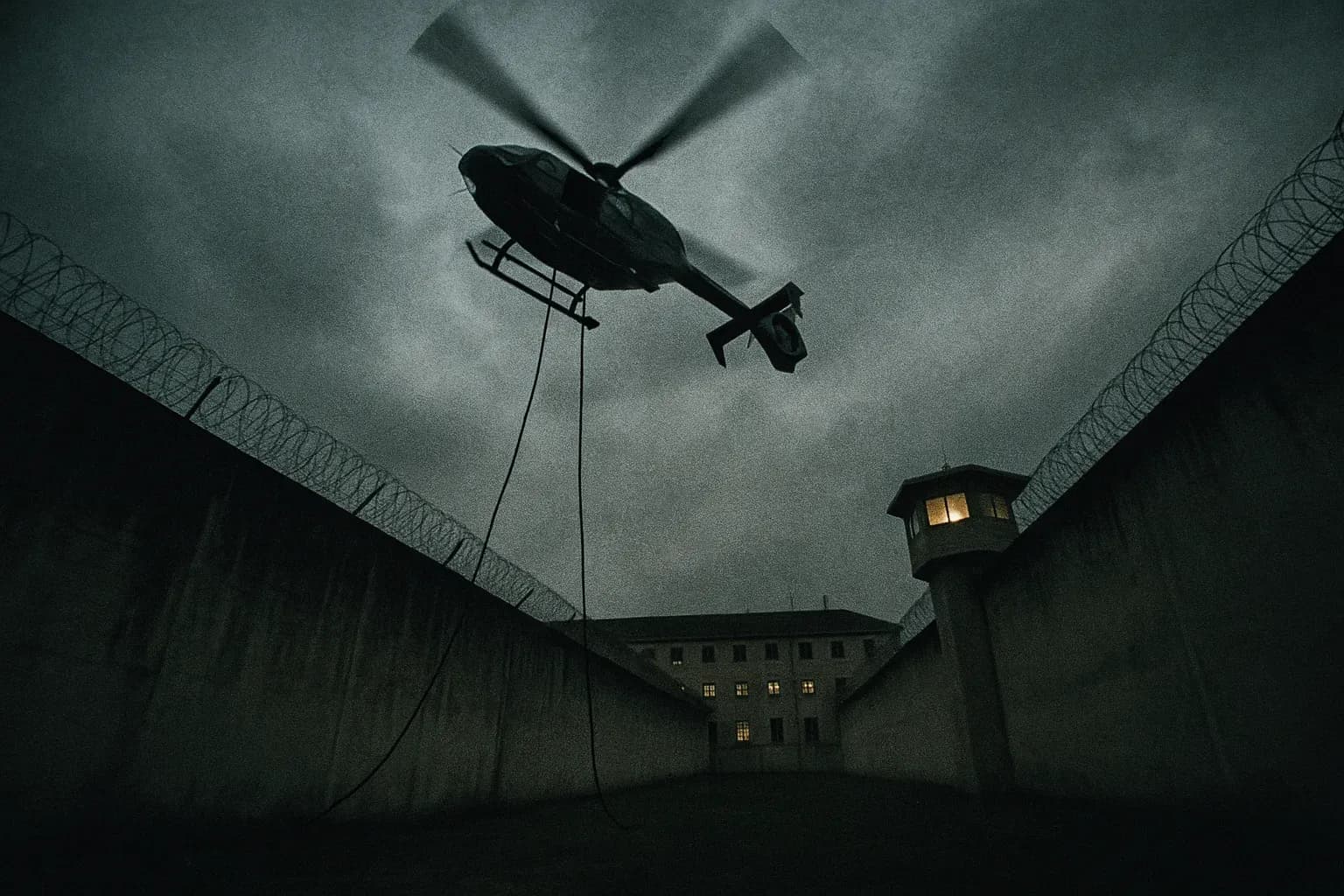
Rédoine Faïd: Two Spectacular Prison Escapes in France
Rédoine Faïd, born 1972, blasted his way out of a French prison in 2013 and escaped another by helicopter in 2018. He has since been sentenced to a combined term that keeps him behind bars until at least 2060.