Inside Danish Justice: The Nordic True Crime Series Breaking New Ground
Station 2 gives international audiences rare access to Scandinavian crime investigations and courtroom drama
Quick facts
Denmark's crime rate ranks among the lowest in Europe, yet the Nordic nation has produced some of the continent's most high-profile criminal cases. Now, a Danish documentary series is bringing those investigations to international audiences with unprecedented access to the machinery of Scandinavian justice.
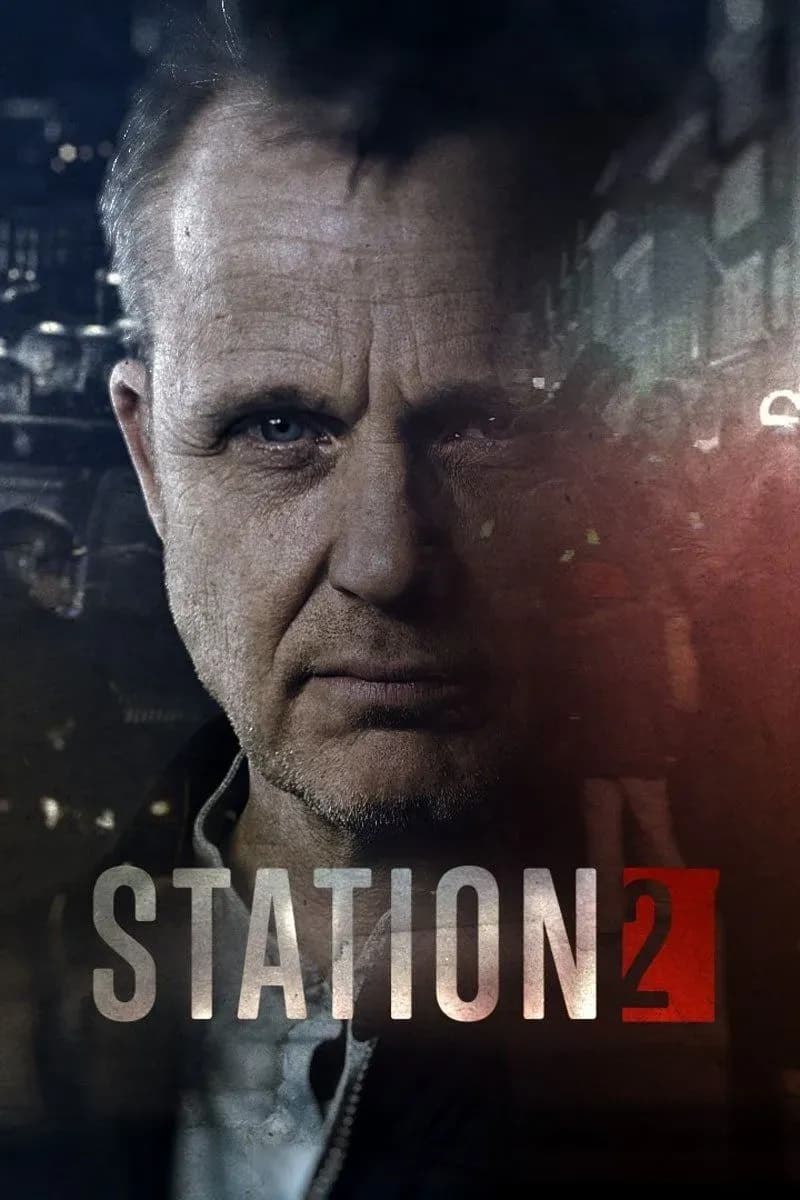
Station 2, available on streaming platform TV 2 Play, follows presenter Anders Lomholt into active police investigations, crime scenes, and secured forensic psychiatric facilities—access rarely granted to documentary filmmakers anywhere. The series represents a distinctly Scandinavian approach to public accountability: giving citizens transparent insight into how the state prosecutes crime.
**From Submarines to Smuggling Rings**
Among the cases featured is the internationally notorious submarine murder—the 2017 killing of British journalist Kim Wall aboard an improvised submarine built by Danish engineer Peter Madsen. The case captivated global media and resulted in a life sentence, yet Station 2 provides the investigative detail often lost in international headlines.
Beyond the headline cases, the series examines the infrastructure of Nordic crime: professional car theft rings, Eastern European organized crime networks operating across borders, and border drug smuggling operations. These investigations reveal how Scandinavian law enforcement tackles organized crime—a region historically known for relatively low violent crime but increasing transnational criminal activity.
One of the series' more controversial episodes examines "the Girl from Kundby," a case that shocked Denmark and raised international questions about terrorism prosecution of minors. The 15-year-old was charged with terrorism offenses, bringing defense attorney Mette Grith Stage into the narrative to explore the legal and ethical dimensions of prosecuting children in extremism cases.
**The Forensic Transparency Model**
What distinguishes Station 2 from typical true crime content is its access to Denmark's psychiatric forensic wards—facilities where convicted criminals deemed psychologically unfit for regular prisons undergo assessment and rehabilitation. Few democracies permit cameras into these spaces, making the series a rare window into how Scandinavian justice systems balance punishment with mental health treatment.
This reflects a broader Nordic criminal justice philosophy that emphasizes rehabilitation over retribution. While American and British true crime documentaries often focus on the sensational elements of cases, Station 2 examines the institutional response: how police investigate, how courts adjudicate, and how prisons attempt to reform.
**Beyond Borders**
The series has expanded beyond Danish cases. Recent episodes investigate international crimes including child sexual exploitation networks in the Philippines, partnering with international investigators like British detective Jo Walker. This reflects a growing reality: Scandinavian crime increasingly transcends national boundaries, with Danish law enforcement collaborating across Europe and beyond.
The program sits at an interesting intersection for international audiences. Scandinavian countries, particularly Denmark and Sweden, have become focal points in global true crime discourse—partly due to high-profile cases, partly due to the region's distinctive legal culture. For viewers accustomed to American forensic procedurals or British crime dramas, Station 2 offers something structurally different: documentary access to actual cases within a justice system emphasizing transparency and rehabilitation.
**Why This Matters Internationally**
For true crime audiences, Station 2 fills a gap in English-language coverage of Northern European crime. While cases like the Madsen submarine murder received international attention, the systematic investigation processes remain largely unexplored in English media. For criminology students and law professionals, the series documents how one of the world's most effective justice systems actually operates.
The Danish approach—allowing documentary filmmakers into police investigations and forensic facilities—would be unthinkable in many Western democracies. It reflects cultural confidence in both the justice system's competence and the public's maturity in consuming such material.
Station 2 represents the intersection of Scandinavian transparency, true crime's global appeal, and the evolving documentary form. For international viewers seeking insight into how Nordic justice systems investigate and prosecute crime, it offers access rarely granted anywhere else.