False report
What it is, why it happens, and the serious consequences for everyone involved
Definition
What drives someone to file a false report? Delve into the definition, the hidden motives, and the devastating consequences for victims and the justice system.
What it is, why it happens, and the serious consequences for everyone involved
What is a false report, and why is it harmful?
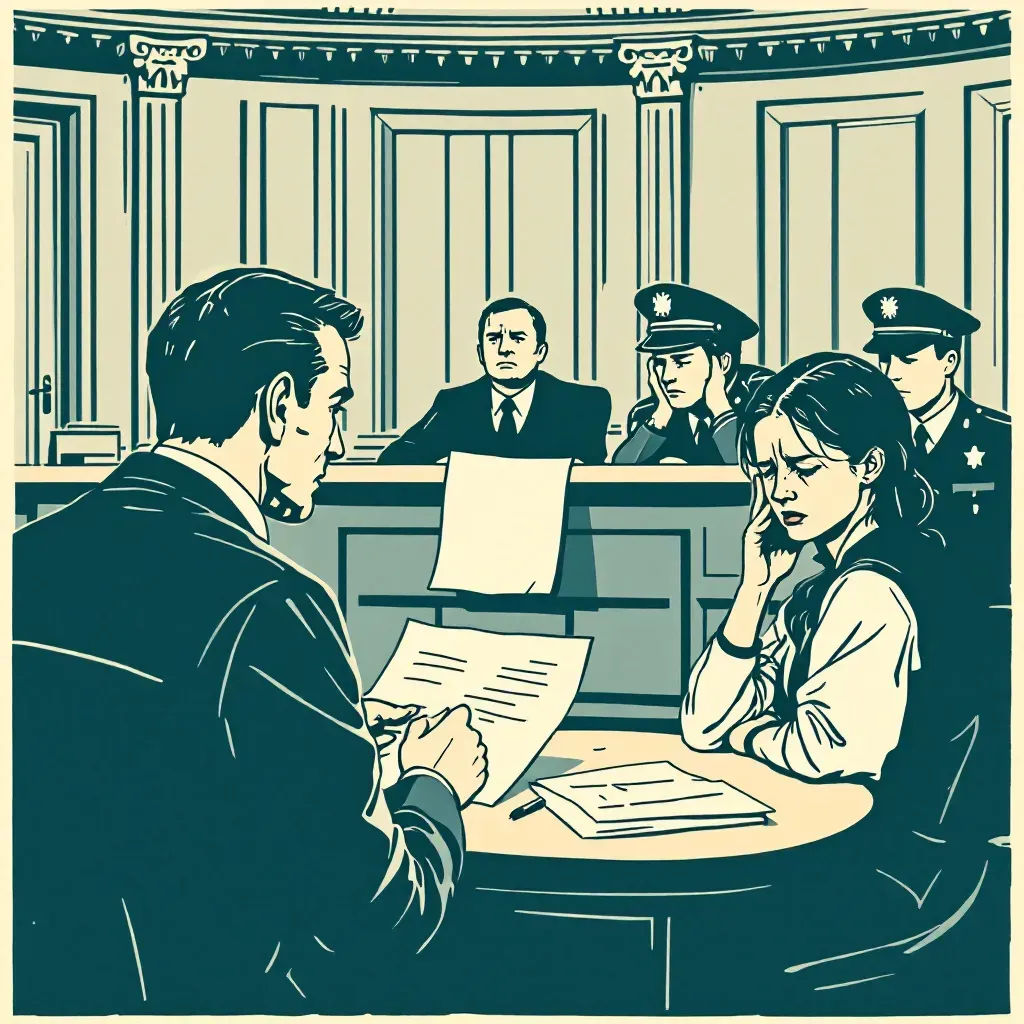
Within true crime, a false report refers to the deliberate and incorrect filing of a crime report with the police or other relevant authorities. It is a criminal act where the reporter, with full premeditation, presents a fabricated scenario or makes false accusations, knowing full well that the alleged crime either never occurred or that the information provided is fabricated. Such false accusations pose a serious problem, as they can not only lead to innocent individuals being unjustly suspected, charged, or, in the worst-case scenario, subjected to an unwarranted trial, but also unnecessarily strain the resources of the justice system.
From revenge to despair: Who suffers from a false report?
The motivations behind a false report can be complex and varied. They range from a desire for personal gain, revenge against another person, an attempt to cover up one's own criminal behavior, to a cry for attention or a symptom of underlying psychological problems. Regardless of the motive, a false report diverts police focus and precious investigative resources from real crimes, which can mean that a serious, unsolved case does not receive the necessary attention. For the person who becomes the victim of a false accusation, the consequences can be deeply personal and devastating. This includes damage to reputation, loss of relationships, and severe psychological distress, even if the false accusation later proves to be baseless.
The art of uncovering: How are false reports investigated?
Identifying and proving that a report is false, and that it is based on a false account, often requires careful and nuanced police investigation. Here, investigators must navigate a field of potentially conflicting statements and scarce evidence. The phenomenon of false reporting highlights the delicate balance between the justice system's duty to take all reports seriously to protect real victims, while simultaneously being vigilant about the risk of abuse. It is therefore a persistent challenge for the legal system to handle these cases effectively, which may include subsequent legal proceedings against the false reporter to ensure justice for all parties and maintain public trust in the police and the judiciary.
What does a false report look like in practice? Explore cases where lies have misled the police or destroyed innocent lives. Read our shocking cases on the subject below.
Read more
How Cambridge Analytica Harvested 87 Million Facebook Users
Between 2013 and 2015, a British political consulting firm called Cambridge Analytica systematically harvested personal data from 87 million Facebook users without consent. When exposed in March 2018, the scandal triggered a global reckoning over tech platform accountability that continues today.
Actor Jussie Smollett Convicted in Staged Hate Crime Hoax
On January 29, 2019, actor Jussie Smollett reported being attacked in Chicago's Streeterville neighborhood in what he claimed was a hate crime. Two years later, he was convicted of orchestrating the entire incident himself, enlisting accomplices to stage the assault for publicity.
DeLorean: From Auto Visionary to Cocaine Defendant
John Z. DeLorean, the former General Motors executive who became famous for designing the iconic DMC-12 sports car, faced two separate federal criminal trials in the mid-1980s—one alleging drug trafficking, the other accusing him of defrauding investors of $8.5 million. He was acquitted in both cases.
Related articles

Sherri Papini: Caught in the Lie
HBO Max docuseries about Sherri Papini, a California mother who faked her own kidnapping in 2016, pleaded guilty to lying to the FBI, and now claims it was all real.

How Cambridge Analytica Harvested 87 Million Facebook Users
Between 2013 and 2015, a British political consulting firm called Cambridge Analytica systematically harvested personal data from 87 million Facebook users without consent. When exposed in March 2018, the scandal triggered a global reckoning over tech platform accountability that continues today.
Actor Jussie Smollett Convicted in Staged Hate Crime Hoax
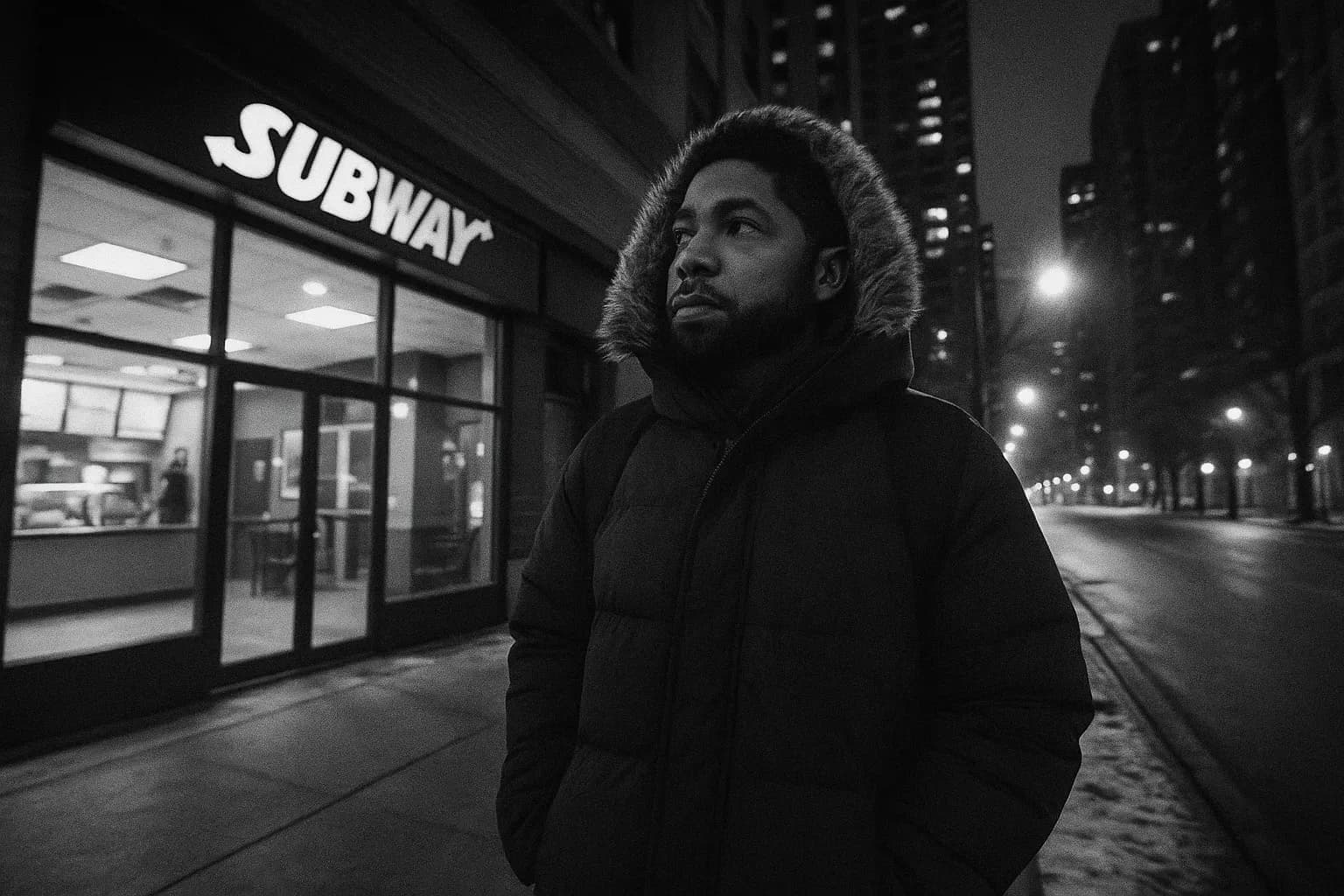
On January 29, 2019, actor Jussie Smollett reported being attacked in Chicago's Streeterville neighborhood in what he claimed was a hate crime. Two years later, he was convicted of orchestrating the entire incident himself, enlisting accomplices to stage the assault for publicity.

DeLorean: From Auto Visionary to Cocaine Defendant
John Z. DeLorean, the former General Motors executive who became famous for designing the iconic DMC-12 sports car, faced two separate federal criminal trials in the mid-1980s—one alleging drug trafficking, the other accusing him of defrauding investors of $8.5 million. He was acquitted in both cases.
500 Million Hotel Guests Hit by Massive Marriott Data Breach
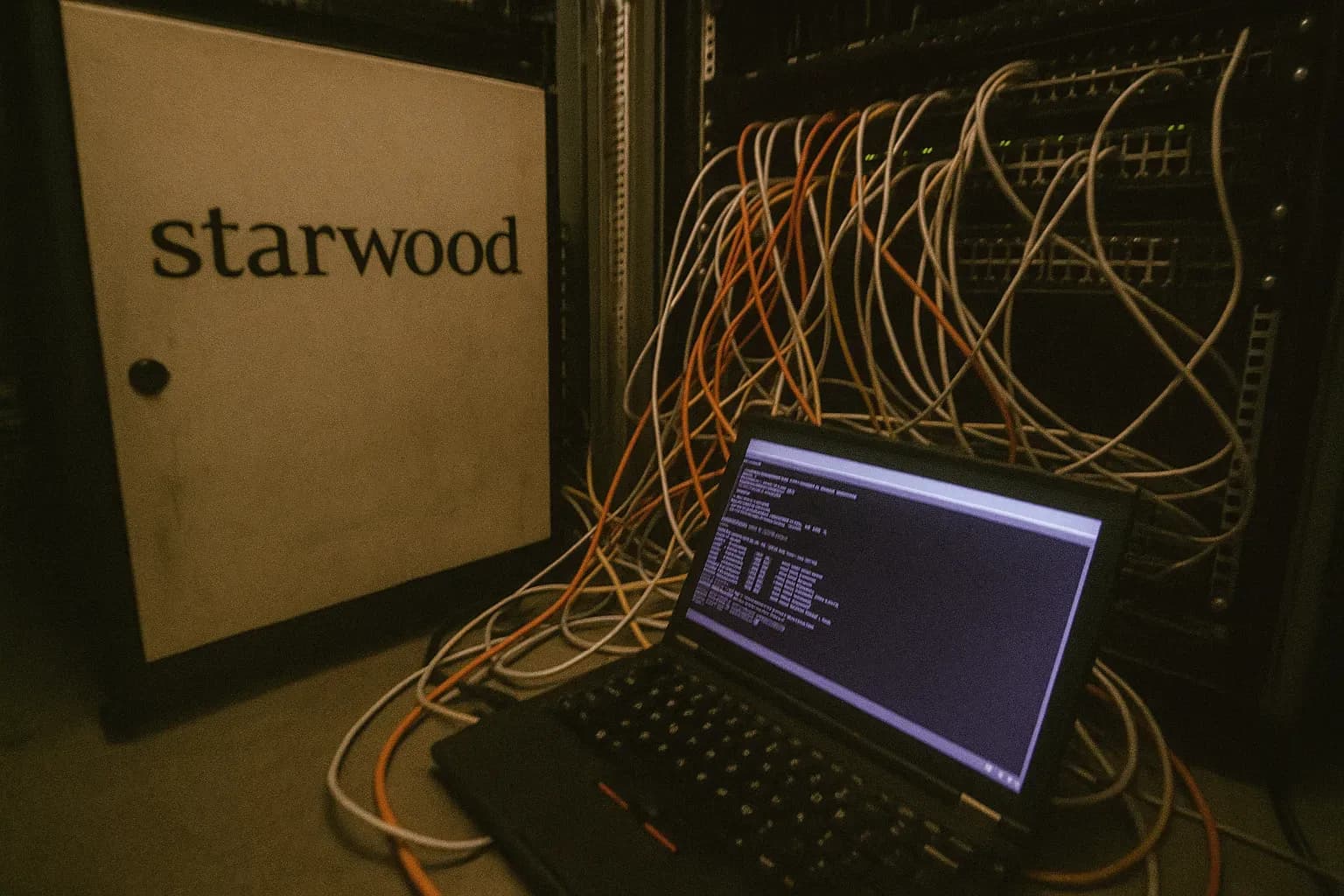
A massive data breach at Marriott and its subsidiary Starwood exposed the personal information of up to 500 million hotel guests. Hackers had access to the reservation system from as early as 2014 — and went undetected for years.

The Doctor Who Vanished Hours Before 9/11
Dr. Sneha Anne Philip, an internal medicine resident living near New York's World Trade Center, disappeared on the night of September 10, 2001—hours before the attacks that would reshape global security. Despite circumstantial details that point to a more complex narrative, she was officially declared a 9/11 victim. The case remains one of the least examined mysteries connected to that day.

Norway's Unsolved Crimes Examined in Deep-Dive Podcast Series
A Norwegian-language podcast titled "Norske Uløste Saker" offers in-depth investigation into some of Norway's most perplexing unsolved cases. The series examines decades-old mysteries and criminal injustices, drawing on official crime records and archival research to shed light on cases that remain closed.