The Thorne Kidnapping: Australia's First Modern Crime
How the 1960 murder of eight-year-old Graeme Thorne shocked a nation and pioneered forensic investigation
Published June 6, 2025
Classification:
Quick Facts
On July 7, 1960, eight-year-old Graeme Thorne disappeared while walking to a corner store near his modest rented flat in Bondi, Sydney. Within hours, police received threatening phone calls demanding £25,000 ransom, with the caller—speaking in a foreign accent—warning that "the boy will be fed to the sharks." What followed was Australia's biggest manhunt and a case that would revolutionize forensic investigation.
The timing of Graeme's kidnapping was no coincidence. Just one month earlier, on June 1, 1960, his parents Bazil and Freda Thorne had won £100,000 in the Sydney Opera House Lottery, designed to fund the construction of Sydney's iconic opera house. The lottery drew widespread media attention, and crucially, the winners' names and addresses were published in newspapers—details that would prove fateful.
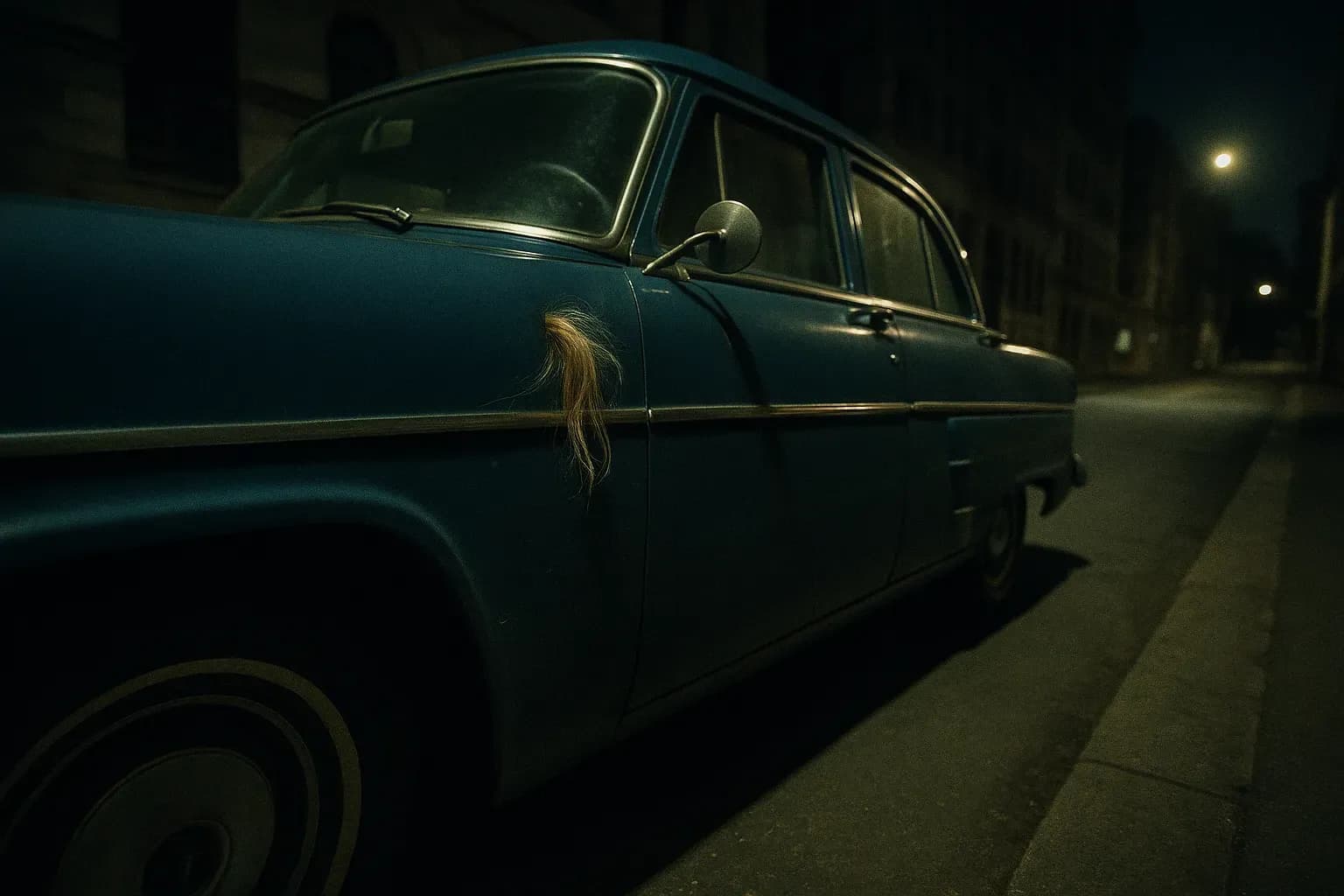
On that July afternoon, a man posing as a driver approached Graeme with a fabricated story and lured him into an iridescent blue car. According to later court admissions, the perpetrator drove the boy to Centennial Park, assaulted him, rendered him unconscious, and wrapped him in a picnic blanket before placing him in the car boot. He then drove north across Sydney Harbour Bridge and made the first ransom call.
Timeline
Graeme Thorne kidnapped in Bondi
On 7 July 1960, 8-year-old Graeme Thorne disappeared on his way to school near Wellington Street in Bondi, Sydney. A ransom demand of £25,000 was made.
Body found in Seaforth
On 16 August 1960, Graeme Thorne's body was found on Grandview Grove in Seaforth, New South Wales – just under six weeks after the kidnapping.
Trial at the Central Criminal Court in Sydney
In March 1961, Stephen Leslie Bradley appeared before the Central Criminal Court in Sydney, charged with the murder of Graeme Thorne.
Bradley found guilty – sentenced to life imprisonment
The Central Criminal Court in Sydney found Bradley guilty of murder. He was sentenced to penal servitude for life, in accordance with applicable Australian law.
Appeal unanimously dismissed
On 22 May 1961, the New South Wales Court of Criminal Appeal unanimously dismissed Bradley's appeal. The verdict stood.
Bradley died in prison
Stephen Leslie Bradley died in prison in 1968 while serving his life sentence for the murder of Graeme Thorne.
Graeme's body was discovered on August 16, 1960, in the Northern beaches area, wrapped in the same picnic blanket. The condition of the remains and surrounding evidence would prove crucial to solving the case.
The investigation that followed became a landmark in forensic science. Detectives identified several key pieces of evidence: witnesses had seen the distinctive iridescent blue car in the Bondi area on the day of the kidnapping. When the car's owner was traced, investigators discovered he owned a Pekingese dog. Crucially, the blanket covering Graeme's body was matted with Pekingese fur and leaves. Plant samples collected from the blanket and the boy's clothing matched vegetation found at the suspect's home in Clontarf. By 1960 standards, this coordinated forensic approach was considered pioneering work in advanced modern investigation techniques.
The perpetrator was identified as Stephen Leslie Bradley, a Hungarian immigrant. Facing imminent arrest, Bradley fled Australia aboard the ship *Himalaya*. However, the vessel was intercepted in Colombo, Ceylon (now Sri Lanka), on October 10, 1960. After legal proceedings, Bradley was extradited to Australia, arriving on November 18, 1960. Before the aircraft landed in Sydney, he made an oral confession to Sergeants Brian Doyle and Jack Bateman, which he later signed in written form on November 19, 1960—though he subsequently retracted it.
At trial in March 1961, Bradley pleaded not guilty to murder but admitted to the kidnapping. However, eyewitness testimony—including identification by Freda Thorne herself—and the compelling forensic evidence proved overwhelming. The court convicted him of both kidnapping and murder.
The case made headlines internationally and remains significant in Australian criminal history as the nation's first well-known kidnapping for ransom. The public shock reverberated across the country, and the investigation methods employed by police demonstrated how modern forensic science could solve even the most heinous crimes. The Thorne case established precedents for investigative technique that would influence Australian law enforcement for decades to come.
A grim footnote: during the trial proceedings, eccentric Sydney figure Bea Miles shouted from the public gallery, "Feed him to the sharks at Bondi"—chillingly echoing the killer's own threats made months earlier.
Sources
https://celebrating.waverley.nsw.gov.au/nodes/view/73080
https://en.wikipedia.org/wiki/Murder_of_Graeme_Thorne
https://podcasts.apple.com/za/podcast/the-kidnapping-of-eight-year-old-graeme-thorne/id1469153910?i=1000568161595
https://casefilepodcast.com/case-75-graeme-thorne/
Ask about this case
Answers from KrimiNyt's coverage onlyFollow this case
Get an email when a new documentary, podcast or book about The Thorne Kidnapping: Australia's First Modern Crime appears, or when a verdict is reached.