The Ghent Altarpiece Theft: Europe's Unsolved Art Heist
How a Belgian insurance agent's 1934 crime sparked decades of mystery—and Nazi conspiracy theories
Published June 6, 2025
Classification:
Quick Facts
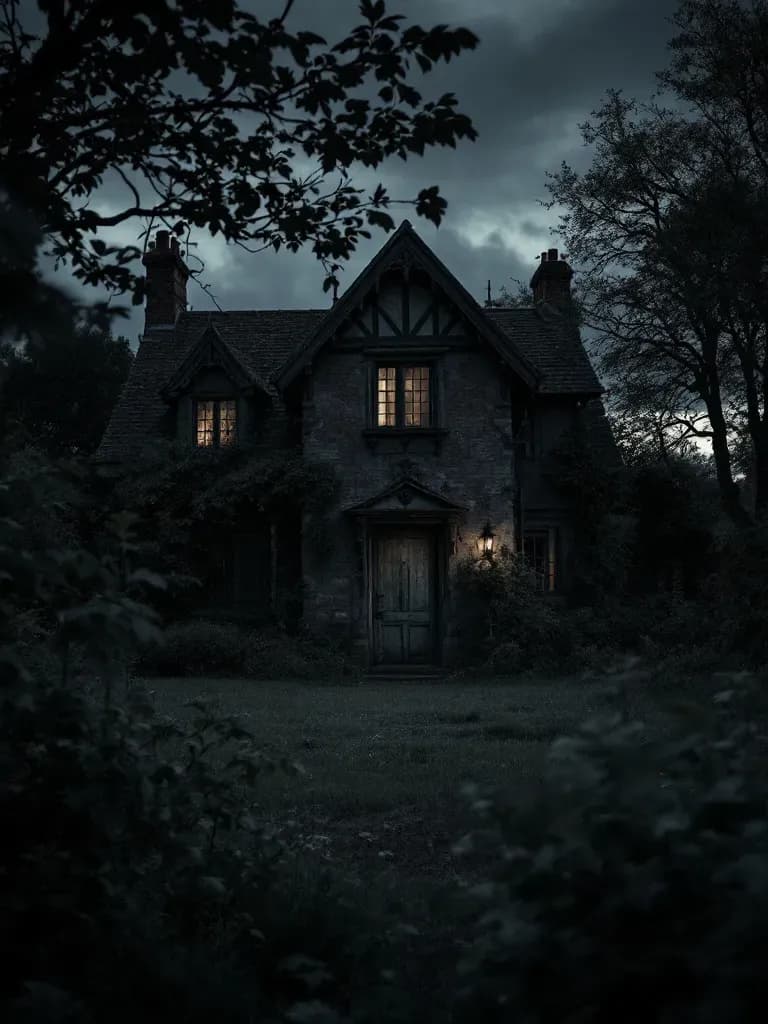
On April 10, 1934, a panel from the renowned Ghent Altarpiece—a 15th-century masterpiece housed in Sint-Baafs Cathedral in Gent, Belgium—vanished without trace. The stolen work, "The Just Judges," became the subject of one of Europe's most perplexing art heists, combining elements of blackmail, psychiatric detention, and Cold War-era conspiracy theories that persist to this day.
The thief was quickly identified: Arsène Goedertier, a 29-year-old insurance agent from Gent, acted alone in removing the panel from the cathedral. His arrest came swiftly, but his crime would outlive him—and the artwork would not.
Goedertier's motive appeared financial. Letters demanding ransom emerged after the theft, and a middleman—British art dealer Louisa Grey—attempted to negotiate the panel's return. Those efforts failed. Goedertier was committed to a psychiatric ward at Sint-Amandsberg Hospital in Gent pending trial, raising questions about his mental state that would complicate the case's resolution.
Timeline
'The Just Judges' panel stolen from the cathedral
On the night of 11 April 1934, the panel disappears from Saint Bavo's Cathedral in Ghent. The investigation finds no usable fingerprints or trace evidence.
Extortion letter received by the bishops
On 30 April 1934, the bishops receive a letter written in French demanding 1 million Belgian francs for the panel's return.
Arsène Goedertier named prime suspect
Stockbroker Arsène Goedertier from Wetteren becomes the prime suspect in the search. On his deathbed he reportedly states that he knows the panel's hiding place, but dies without disclosing it.
Tried in 1935, Goedertier was found guilty with mitigating circumstances. He received a 15-month sentence, but imprisonment never came: his deteriorating health prevented execution of the judgment. On November 28, 1935—just weeks after his conviction—Goedertier died in the psychiatric facility, carrying the painting's location to his grave.
What happened next transformed a straightforward theft into an international mystery. Multiple theories emerged, each more speculative than the last.
The blackmail hypothesis seemed logical: Goedertier had demanded money, negotiations had stalled, and perhaps he destroyed the work in frustration—a form of leverage gone wrong. Yet no evidence of destruction surfaced, and no ransom was ever paid.
A darker theory gained traction during and after World War II. Some researchers speculated that "The Just Judges" panel fell into the hands of Nazi art plunderers, who systematically looted European cultural treasures. Nazi Germany's extensive art theft operations—including the notorious activities of the Einsatzstab Reichsleiter Rosenberg (ERR)—made this hypothesis plausible within historical context. However, no credible documentation has ever confirmed that the panel reached Nazi collections, either in Germany or in the repositories where looted artworks were eventually discovered.
Other theories suggested the panel was hidden and remains undiscovered somewhere in Belgium or continental Europe. Some speculated it was sold to a private collector who kept it hidden to avoid legal liability. These remain unproven possibilities.
The Ghent Altarpiece itself is no ordinary artwork. Completed in 1432 by the Van Eyck brothers—Hubert and Jan—it stands as a cornerstone of Northern Renaissance art and Flemish cultural identity. The multi-panel composition depicts religious scenes rendered with revolutionary technical detail. "The Just Judges," the bottom left exterior panel, shows robed judicial figures on horseback, a representation of divine justice that resonated across medieval European consciousness.
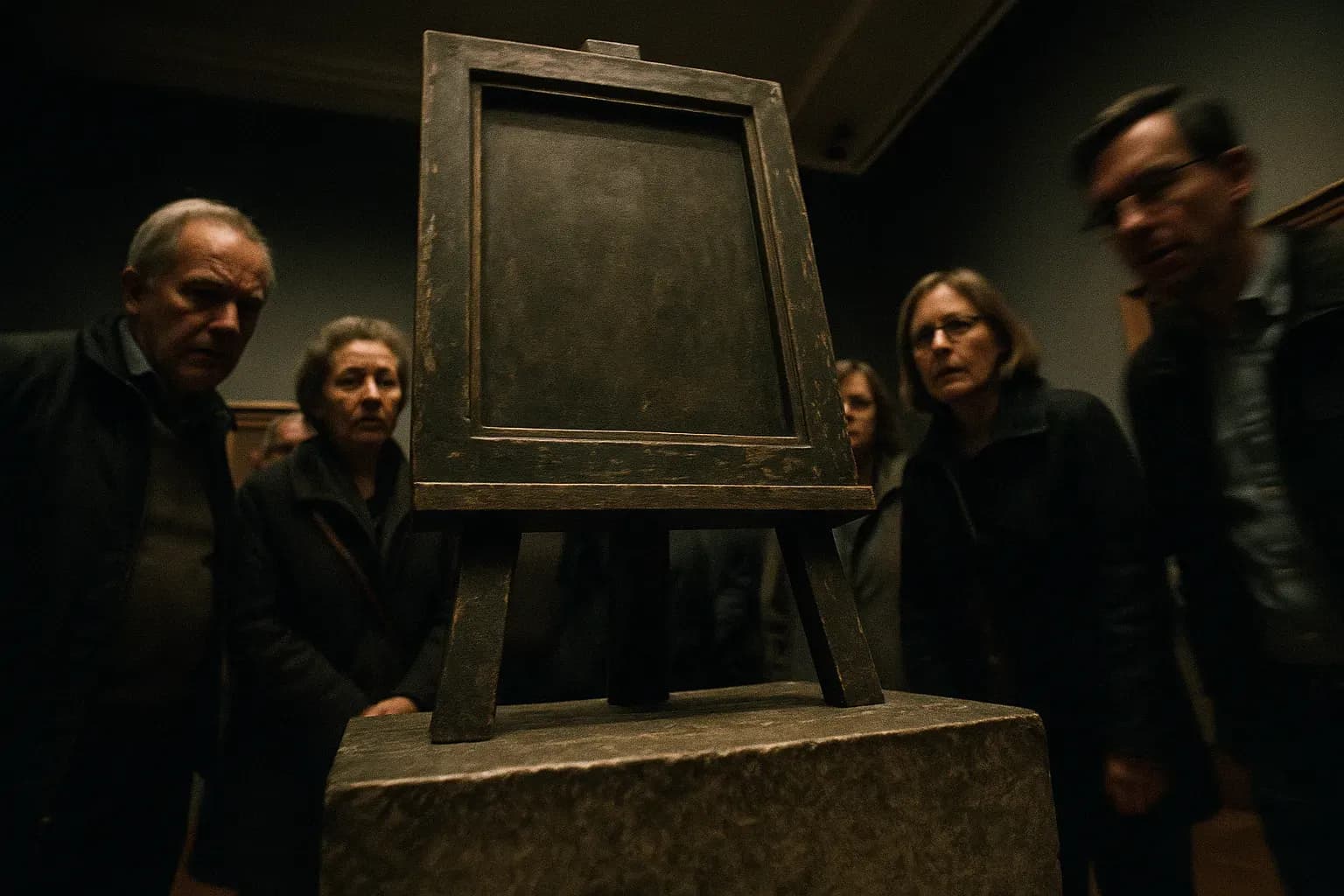
The loss of this panel did more than remove a masterpiece from public view; it fractured one of Europe's most important artistic ensembles. Today, a reproduction occupies the empty space in Sint-Baafs Cathedral—a visual reminder of absence.
The case reflects a broader pattern in 20th-century art crime. Unlike many stolen masterpieces—which resurface decades later at auctions or through inheritance—"The Just Judges" vanished completely. No authenticated sightings have emerged. No deathbed confessions from Goedertier's associates revealed its location. No Nazi records documented its seizure.
For international true crime audiences, the Ghent Altarpiece theft exemplifies how cultural crimes transcend simple larceny. The case intersects psychology, wartime atrocities, blackmail, and institutional silence. It demonstrates how a single individual's actions can create generational uncertainty about priceless heritage.
Nearly 90 years later, "The Just Judges" remains missing. Investigations have closed. Goedertier is long dead. The cathedral displays a facsimile. And one of Europe's most significant medieval artworks exists now only in reproduction and historical documentation—a permanent gap in Western cultural patrimony.
Ask about this case
Answers from KrimiNyt's coverage onlyFollow this case
Get an email when a new documentary, podcast or book about The Ghent Altarpiece Theft: Europe's Unsolved Art Heist appears, or when a verdict is reached.