The Phantom Killer: Texarkana's Unsolved 1946 Murder Spree
Ten weeks of terror along the Arkansas-Texas border left five dead and a mystery that endures nearly 80 years later
Published June 6, 2025
Quick Facts
Between February and May 1946, the twin cities of Texarkana—straddling the Arkansas-Texas border—fell under the shadow of a serial killer. Operating over just ten weeks, the assailant attacked eight people, killing five and leaving three survivors with trauma that would follow them for life. The perpetrator, who wore a burlap sack mask with crude eye slits, became known as the Phantom Killer after the *Texarkana Daily News* coined the nickname on April 16, 1946.
The terror began on February 22 when a couple parked on a secluded Bowie County road became the Phantom's first known victims. Jimmy Hollis and Mary Jeanne Larey were forced from their car. The assailant brutally beat Hollis with a gun, cracking his skull in two places, then sexually assaulted Larey before fleeing when approaching headlights threatened discovery. Both survived, but their ordeal signaled the start of a dark chapter.
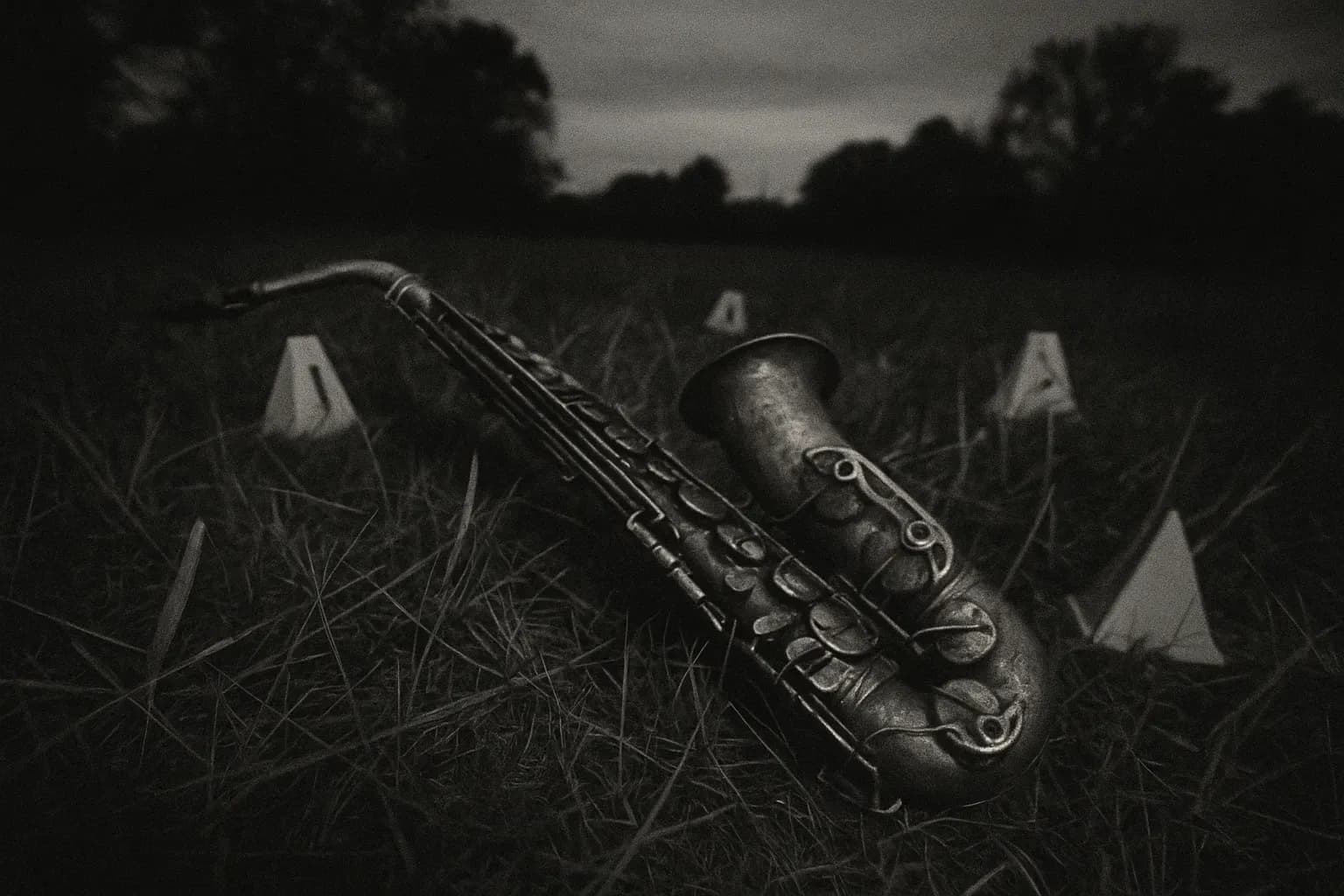
One month later, on March 23-24, the attacks escalated fatally. Richard Griffin, 29, and 17-year-old Polly Ann Moore were found shot on Rich Road in Texarkana. Both had been shot in the back of the head with what investigators believed was a .32 caliber pistol. Three weeks after that, on April 14, Paul Martin and Betty Jo Booker met the same fate near Spring Lake Park. The bodies showed signs of torture and sexual assault. Betty Jo's saxophone was discovered separately, a haunting artifact left behind.
Timeline
First attack: Hollis and Larey attacked
On February 22, 1946, James 'Jimmy' Hollis and Mary Jeanne Larey are attacked in the Texarkana area. Both survive.
Second attack: Griffin and Moore killed
On March 24, 1946, police find Richard L. Griffin and Polly Ann Moore shot dead. The case escalates to murder.
Third attack: Martin and Booker killed
On April 14, 1946, Paul Martin and Betty Jo Booker are killed. Fear among the local population intensifies markedly.
Fourth attack: Virgil Starks killed, Katie Starks survives
On May 3, 1946, the Starks couple is attacked in their home. Virgil Starks is killed; Katie Starks is wounded but survives.
The final confirmed attack came on May 3 at the Starks farmhouse. Farmer Virgil Starks was killed; his wife was shot but survived. Witnesses reported seeing strange lights near the property beforehand. The incident drew the attention of Texas Ranger Captain Manuel "Lone Wolf" Gonzaullas, a legendary investigator who became the public face of the hunt.
The killer's pattern was methodical and chilling. He targeted couples on isolated "lovers' lanes" during weekend nights, striking at intervals of three to four weeks. The burlap mask became his signature, along with the .32 caliber weapon. Whether the first attack in February was connected to the later killings remains debated by historians; the timing gap and method differences raise questions about whether one killer or two were responsible.
Texarkana descended into panic. Police intensified patrols of known lovers' lanes. The Texas Rangers presence became routine. One potential lead emerged in early May when a hitchhiker carjacked a man and claimed credit for five Texarkana murders, even naming victims Martin and Booker. Gonzaullas dismissed the claim, reasoning that a genuine killer operating in such secrecy would be unlikely to boast to strangers.
By October 1946, the Texas Rangers quietly withdrew, a tactical decision designed to lower the killer's guard and encourage a resumption of attacks—which might yield new leads. The strategy failed. The murders ceased, and no arrest ever followed. No one was ever convicted in connection with the crimes.
The case inspired the 1976 semi-fictionalized film *The Town That Dreaded Sundown*, which brought the story to national attention decades later. A 2014 meta-sequel revisited the legend. Yet the true identity of the Phantom Killer remains one of American true crime's most enduring mysteries, the burlap mask and .32 caliber the only concrete signatures of a killer who vanished into history.
Sources:
https://en.wikipedia.org/wiki/Texarkana_Moonlight_Murders
https://encyclopediaofarkansas.net/entries/texarkana-moonlight-murders-4478/
https://experiencetexarkana.com/history/the-phantom-killer-texarkanas-chilling-true-crime-legend/
https://criminalminds.fandom.com/wiki/The_Phantom_Killer
Media coverage
Documentaries
- Killer Legends: The True Crimes Behind Urban Legends(2026)
- The Town That Dreaded Sundown: The Texarkana Moonlight Murders(2026)
Books
- The Phantom Killer: James Presley on the Texarkana Murders(2026)
Ask about this case
Answers from KrimiNyt's coverage onlyFollow this case
Get an email when a new documentary, podcast or book about The Phantom Killer: Texarkana's Unsolved 1946 Murder Spree appears, or when a verdict is reached.