Jürgen Bartsch: The Child Killer of the Ruhr Valley
Langenberg-Neviges, Vesttyskland, 1962–1966 – afsluttet retssag
Published May 4, 2026
Quick Facts
Jürgen Bartsch was born Karl-Heinz Sadrozinski on November 6, 1946, in Essen, Germany. Abandoned by his biological mother shortly after birth, he spent his early years in a tuberculosis ward before being adopted at eleven months by the Bartsch family, a butcher and his wife in Langenberg. His adoptive mother, Gertrud Bartsch, was described as cold and obsessively controlling, forbidding normal childhood activities and keeping him isolated from peers. Bartsch later claimed he suffered sexual abuse at a Catholic boarding school he attended between ages ten and twelve, experiences that profoundly shaped his disturbed psychology.
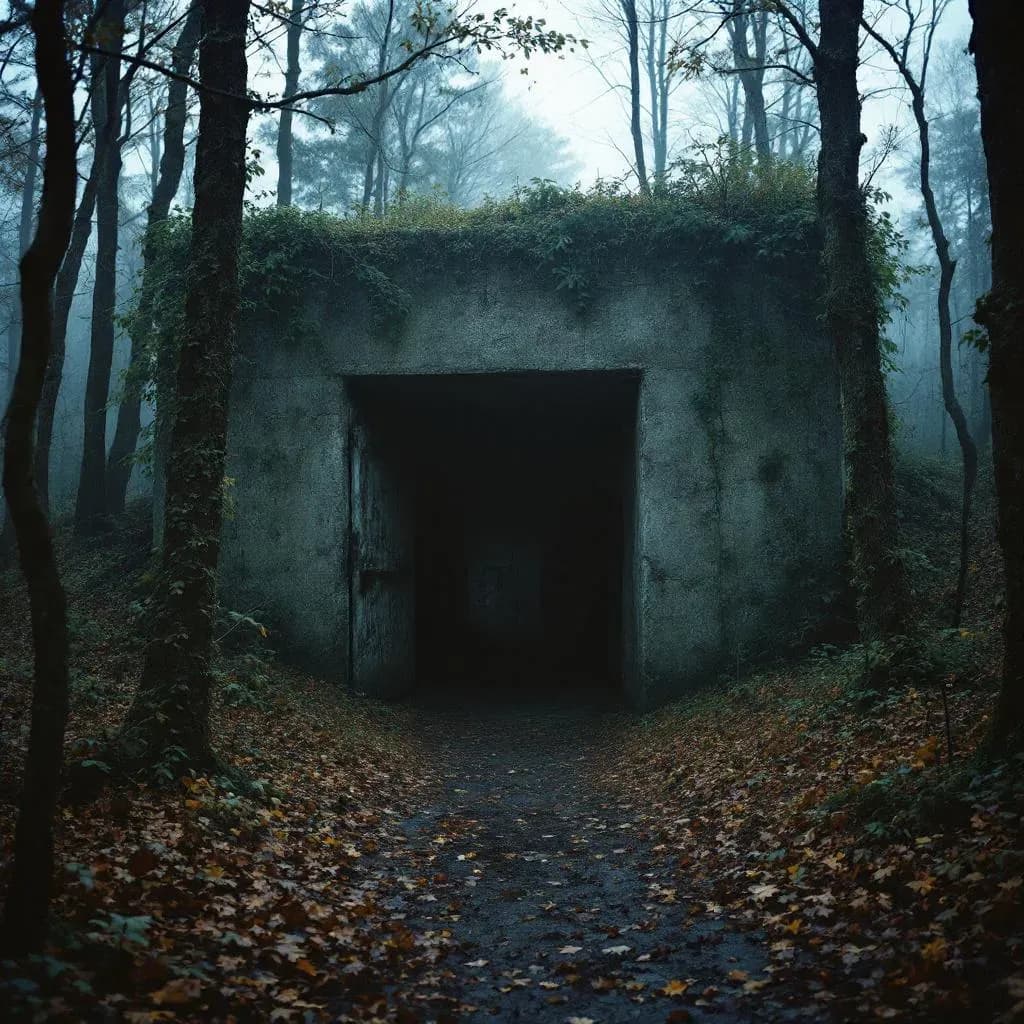
Bartsch's victims were four boys aged between eight and thirteen: Klaus Jung (age 8, killed in 1962), Peter Fuchs (age 13, killed in 1965), Ulrich Kahlweiss (age 12, killed in 1965), and Manfred Grassmann (age 12, killed in 1966). The young killer lured his victims to an abandoned air-raid shelter in a former mine near Langenberg with promises of exploring the tunnels. Once inside, he subjected them to horrific sexual torture before killing them. He dismembered some of the bodies, displaying a level of brutality that investigators found deeply disturbing given his young age.
Bartsch was apprehended on June 18, 1966, when his fifth intended victim, fifteen-year-old Peter Frese, managed to escape from the mine shaft and alert a nearby fairground worker. Police arrested the nineteen-year-old Bartsch, who quickly confessed to all four murders. During extensive psychiatric evaluations, Bartsch spoke candidly about his compulsions, his troubled childhood, and his awareness that his actions were wrong yet feeling unable to stop himself. His confessions were detailed and showed no apparent remorse, though he expressed a desire to understand his own psychology.
Timeline
First murder – Klaus Jung, age 8
On March 31, 1962, 15-year-old Jürgen Bartsch commits his first murder. The victim is Klaus Jung, eight years old, in the Langenberg-Neviges area.
Last murder – Manfred Grassmann, age 11
On May 6, 1966, Bartsch commits his fourth and last documented murder. The victim is Manfred Grassmann, eleven years old.
Bartsch arrested in June 1966
Bartsch is arrested by police in June 1966 following an intensified investigation in the Ruhr area. The exact date in June has not been clearly verified.
Verdict: life imprisonment by Landgericht Wuppertal
On December 15, 1967, the Landgericht Wuppertal sentences Jürgen Bartsch to life imprisonment for the murders of the four boys.
Appeal reduces sentence in 1971
In an appeal ruling in 1971, Bartsch's sentence is reduced to 10 years in youth detention along with committal to a psychiatric institution following a forensic psychiatric assessment.
Bartsch dies in 1976
Jürgen Bartsch dies in 1976 during an attempted surgical castration, and the case is finally closed.
The investigation revealed a pattern of escalating violence. Bartsch had attempted to abduct other children before his successful murders, and his methods grew increasingly sophisticated over time. Forensic examination of the mine shaft uncovered the remains of his victims along with tools he had used in his crimes. The case highlighted significant failures in the social systems meant to protect both troubled youth like Bartsch and his vulnerable victims, as warning signs had been overlooked for years.
Bartsch's first trial in 1967 resulted in a life sentence, but this was overturned on appeal due to questions about his mental competency as a juvenile when the crimes began. A second trial in 1971 found him guilty but with diminished responsibility, sentencing him to ten years in a juvenile detention facility followed by indefinite psychiatric commitment. While institutionalized, Bartsch became a subject of intense psychiatric study and reportedly cooperated with efforts to understand his pathology. He requested voluntary castration, believing it might cure his violent sexual urges.
On April 28, 1976, Jürgen Bartsch died at age twenty-nine during the surgical castration procedure at Lippstadt-Eickelborn psychiatric facility when he suffered a fatal reaction to anesthesia. His death was ruled accidental. The case remains significant in German criminal history for several reasons: it prompted reforms in how juvenile offenders are handled, sparked national debates about the death penalty and psychiatric treatment of criminals, and became a landmark study in criminal psychology. Author Paul Moor's extensive interviews with Bartsch formed the basis of the influential 1972 book that brought international attention to the case, while filmmaker Rosa von Praunheim later documented the story in film, ensuring that the tragic fate of Bartsch's four young victims would not be forgotten.
Ask about this case
Answers from KrimiNyt's coverage onlyFollow this case
Get an email when a new documentary, podcast or book about Jürgen Bartsch: The Child Killer of the Ruhr Valley appears, or when a verdict is reached.