Arne Cheyenne Johnson — The 'Devil Made Me Do It' Case
Brookfield, Connecticut, 1981 — solved manslaughter case with rejected demonic possession defense
Published June 2, 2026

Case Details
Quick Facts
Classification:
The Case
The Arne Cheyenne Johnson case is a 1981 Connecticut homicide prosecution in which a 19-year-old man stabbed his landlord to death and then attempted to mount the first known American legal defense based on demonic possession. Widely remembered as the "Devil Made Me Do It" case, it ended with Johnson's conviction for first-degree manslaughter after the trial court in Danbury refused to admit possession as a legal defense. The case remains one of the most cited intersections of criminal law and paranormal claims in U.S. history.
The Crime
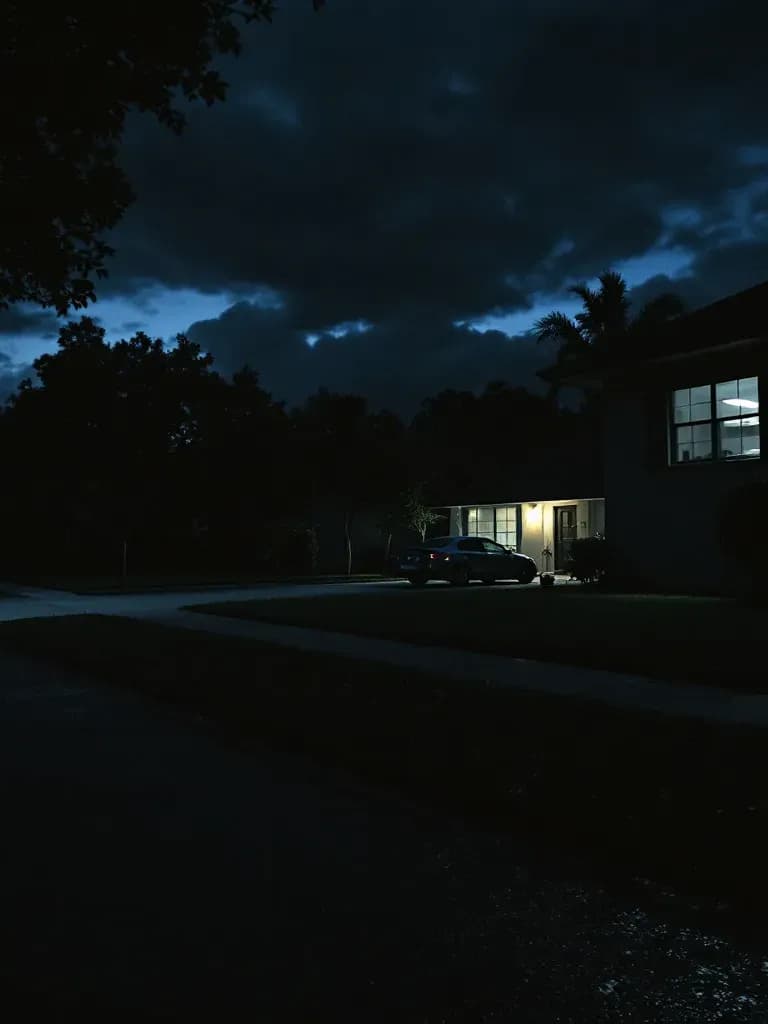
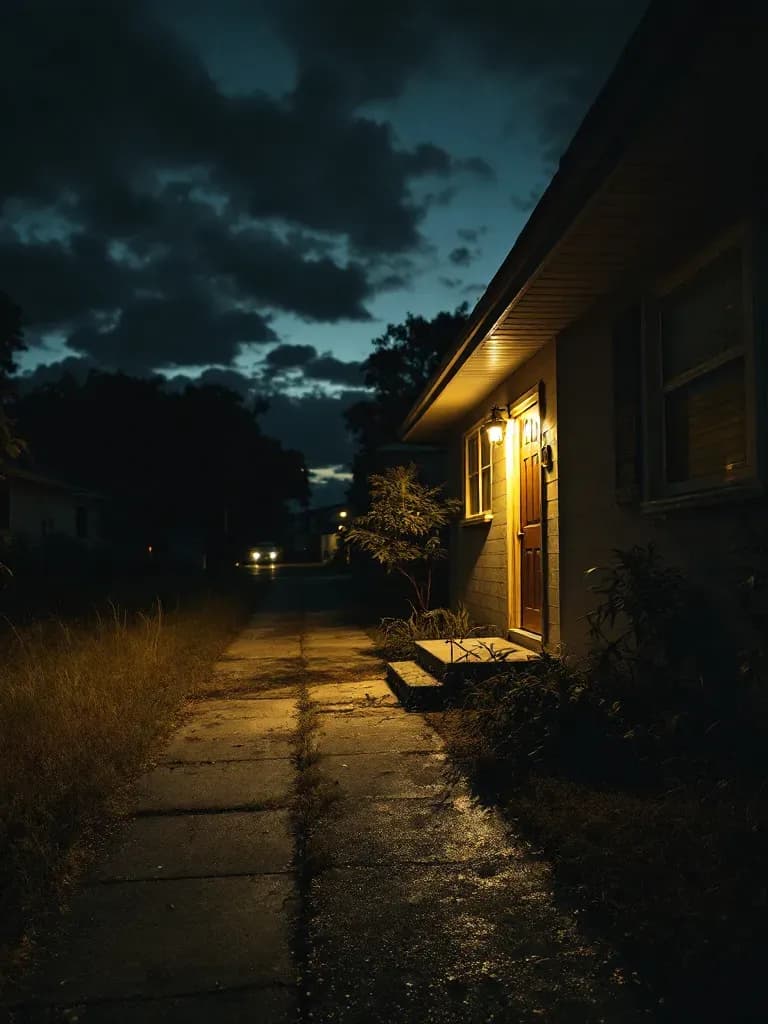
On February 16, 1981, Arne Cheyenne Johnson killed Alan Bono, a 40-year-old kennel manager who was also his landlord, in Brookfield, Connecticut. According to the University of Virginia archive summary of the case, Johnson stabbed Bono five times with a pocketknife following a gathering at Bono's residence. Johnson, who had no prior criminal record and was 19 years old at the time, was living with his girlfriend Debbie Glatzel's family, having moved into the Glatzel household in May 1980.
The killing followed a day of drinking and rising tension. Bono died from his injuries, and Johnson fled the scene before being identified as the assailant.
Timeline
Johnson moves in with the Glatzel family
Arne Cheyenne Johnson moves into the home of his girlfriend Debbie Glatzel in Connecticut, several months before the killing.
The killing of Alan Bono
Johnson stabs his landlord Alan Bono more than 20 times with a pocket knife in Bono's home in Brookfield, Connecticut.
Lorraine Warren contacts police
Demonologist Lorraine Warren informs the Brookfield police that Johnson had been possessed at the time of the killing.
Trial begins in Danbury
The case begins at the Connecticut Superior Court in Danbury, where the judge rejects demonic possession as a defense.
Guilty verdict
Johnson is convicted of first-degree manslaughter after the defense switches to a self-defense argument.
Sentencing
Johnson is sentenced to 10 to 20 years in prison.
Released after about five years
Johnson is released from prison after serving about five years of his sentence.
The Victims
The sole victim, Alan Bono, was 40 years old and worked at a local kennel where Debbie Glatzel was also employed. He had rented an apartment to the young couple and was, on the day of the killing, hosting them along with members of the Glatzel family. Bono is described in court records as having had a personal connection to the Glatzels through both work and the rental arrangement.
Investigation
Brookfield police responded quickly to the stabbing, and Johnson was arrested in the days following the killing. The investigation was unusual from the outset: the day after the homicide, paranormal investigator Lorraine Warren contacted Brookfield police claiming that Johnson had been possessed by a demon at the time of the attack. The Warrens had previously been involved with the Glatzel family, alleging that Debbie's younger brother David Glatzel had been the subject of an exorcism, and they asserted that the entity had transferred to Johnson.
Key evidence relied on by prosecutors included the physical wounds, the recovered pocketknife, and signed statements from witnesses present at the scene. The Warrens' involvement drew immediate national press attention, and the case file referenced in the Vermont Law Review's analysis shows that the defense initially intended to argue that Johnson was not criminally responsible because he was possessed.
Trial and Verdict
The trial took place at the Connecticut Superior Court in Danbury in late 1981. Defense attorney Martin Minnella sought to introduce demonic possession as a legal defense, but the judge ruled the theory inadmissible because it could not be scientifically or objectively proven in court. With possession off the table, the defense pivoted to a self-defense argument, claiming Bono had become aggressive during the confrontation.
On November 24, 1981, the jury found Johnson guilty of first-degree manslaughter rather than the murder charge sought by prosecutors. On December 18, 1981, he was sentenced to 10 to 20 years in prison. He ultimately served approximately five years before being released, after which he married Debbie Glatzel.
Today
The Johnson case has remained a recurring reference point in American discussions of criminal responsibility, the insanity defense, and the boundary between religious belief and admissible legal argument. It inspired the 2021 Warner Bros. film The Conjuring: The Devil Made Me Do It, drawing renewed scrutiny to the Warrens' claims and to the underlying facts of Bono's death.
Legal scholars continue to revisit the trial, including in audio coverage such as the Red Web podcast episode and in a documentary-style YouTube examination of the trial. Members of the Glatzel family have since publicly disputed key elements of the Warrens' possession narrative, arguing that the supernatural framing was exaggerated or fabricated. Despite the lasting cultural fascination, the legal record is unambiguous: Johnson was convicted as a man, not as a victim of a demon, and the case stands as the leading American precedent rejecting demonic possession as a criminal defense.
Media coverage
TV series
- The Devil on Trial(2026)
Ask about this case
Answers from KrimiNyt's coverage onlyFollow this case
Get an email when a new documentary, podcast or book about Arne Cheyenne Johnson — The 'Devil Made Me Do It' Case appears, or when a verdict is reached.