Self-defense
The fine line between lawful necessity and punishable violence

Definition
Can you fight back? Understand when self-defense applies, the principles of proportionality, and where the line to illegal violence is drawn in true crime cases.
The fine line between lawful necessity and punishable violence
Understanding self-defense and its legality
In the context of true crime, self-defense is defined as the act of using necessary force to protect oneself from an immediate and unlawful attack. The concept is crucial in many criminal cases, as it can serve as a legal defense that can potentially absolve the actor of criminal liability, even in cases of aggravated assault or homicide. At the core of self-defense are the principles of necessity and proportionality: the action must be necessary to avert the imminent danger, and the force used must not be obviously disproportionate to the nature of the attack and the danger it poses. It concerns the fundamental right to defend one's own life and body against an imminent threat.
Line between lawful defense and illegal violence
Assessing whether an act genuinely constituted legitimate self-defense often presents a complex task for police investigations and the legal system. It requires a thorough examination of all circumstances, including the threat level, the attacked person's subjective perception of the situation under duress, and whether less intrusive, alternative courses of action existed. The line between justified self-defense and unlawful use of violence can be very fine and often becomes the central focus of a subsequent trial, where the outcome depends on a careful evaluation of the presented evidence and witness testimonies.
Self-defense dilemmas and gray areas in true crime
Understanding self-defense is therefore essential for the analysis of numerous true crime cases. It highlights the difficult ethical dilemmas and legal gray areas that arise when individuals are confronted with violence and feel compelled to react to protect themselves or survive. The discussion about self-defense raises fundamental questions about proportionality, necessity at the moment of the act, and an individual's right to use force in extreme situations, thereby cementing its status as a perennially relevant and debated topic within the study of crime, law, and the administration of justice.
How is this fine line assessed in reality? Dive into cases where the right to self-defense was tested – find our exciting cases below.
Read more
The Brittany Smith Case — Alabama Self-Defense Homicide
The Brittany Smith case is an Alabama homicide prosecution in which Brittany Smith shot and killed her husband Todd Smith in 2019, claiming self-defense after alleged domestic violence.
Pedro López: The Monster of the Andes' Reign of Terror
Pedro Alonso López, a Colombian serial killer known as the Monster of the Andes, murdered at least 110 confirmed victims—mostly young girls aged 8 to 13—across Ecuador, Colombia, and Peru during the late 1970s and early 1980s. Arrested in 1980 and convicted in 1983, López was released from prison in 1998 and disappeared in 1999, his current whereabouts unknown.
How a West Point Failure Led to Federal Court
In 2001, a federal court examined allegations that U.S. Military Academy personnel at West Point failed to properly investigate reports of suspicious behavior by a man with access to young girls, resulting in harm to a child and triggering a lawsuit against the United States.
Related articles

State of Alabama vs. Brittany Smith
State of Alabama vs. Brittany Smith is a 2022 Netflix documentary about Brittany Smith, an Alabama mother who killed her alleged rapist and faced murder charges after her Stand Your Ground defense was denied.
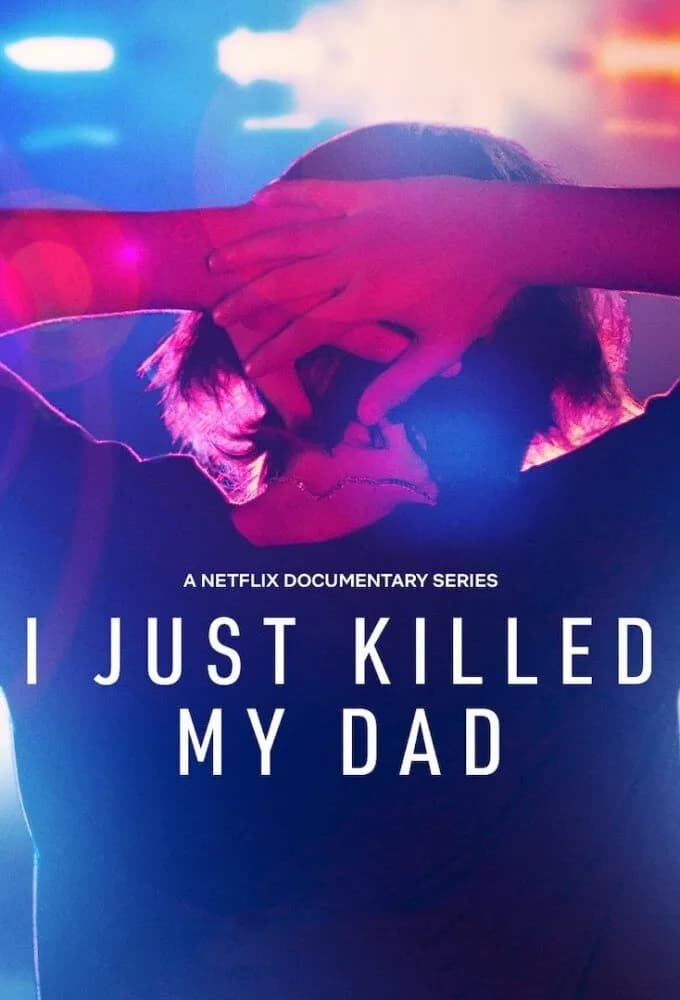
I Just Killed My Dad
I Just Killed My Dad is a Netflix documentary series about Anthony Templet, a 17-year-old who shot and killed his father Burt Templet in Baton Rouge, Louisiana, on June 3, 2019.
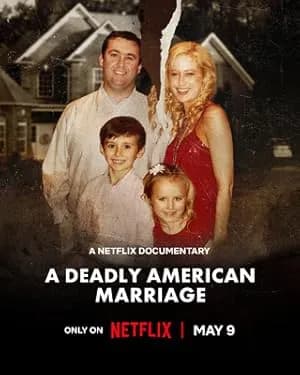
A Deadly American Marriage
A Deadly American Marriage is a Netflix documentary about the 2015 fatal assault of Irish businessman Jason Corbett by his wife Molly Martens Corbett and her father, former FBI agent Thomas Martens.

The Brittany Smith Case — Alabama Self-Defense Homicide
The Brittany Smith case is an Alabama homicide prosecution in which Brittany Smith shot and killed her husband Todd Smith in 2019, claiming self-defense after alleged domestic violence.
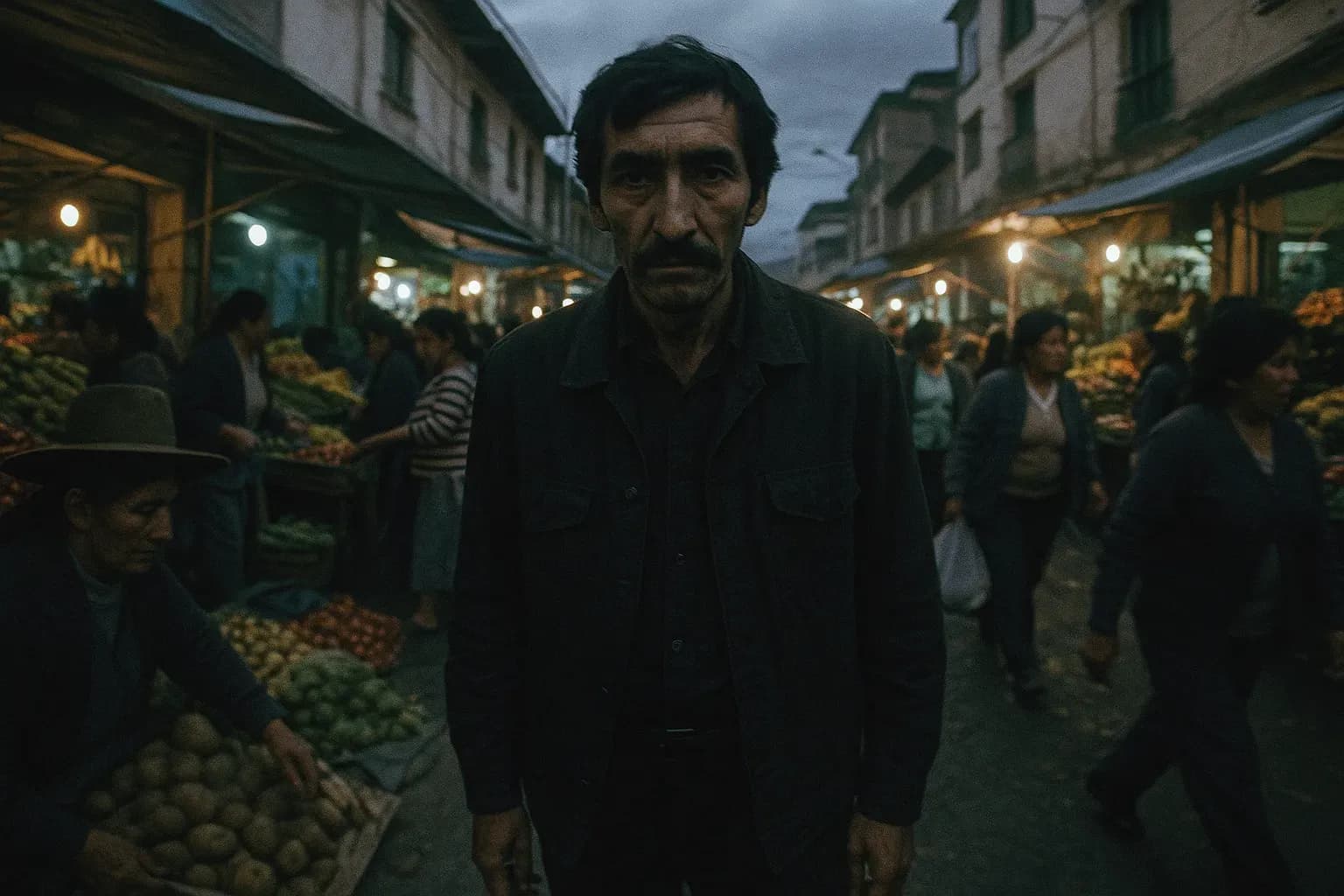
Pedro López: The Monster of the Andes' Reign of Terror
Pedro Alonso López, a Colombian serial killer known as the Monster of the Andes, murdered at least 110 confirmed victims—mostly young girls aged 8 to 13—across Ecuador, Colombia, and Peru during the late 1970s and early 1980s. Arrested in 1980 and convicted in 1983, López was released from prison in 1998 and disappeared in 1999, his current whereabouts unknown.

How a West Point Failure Led to Federal Court
In 2001, a federal court examined allegations that U.S. Military Academy personnel at West Point failed to properly investigate reports of suspicious behavior by a man with access to young girls, resulting in harm to a child and triggering a lawsuit against the United States.
Crime Story delves into justice's shadows
The podcast Crime Story reveals the dark depths of legal history with empathy and precision. Discover the fates society prefers to ignore.

Denmark's Hidden Narratives: How Podcasting Reveals Systemic Bias
Across Scandinavia, a growing body of investigative podcasts is exposing the invisible social structures that shape minority experiences. In Denmark, one series is using intimate storytelling to reveal how cultural expectations—rather than explicit laws—can marginalize entire communities.